
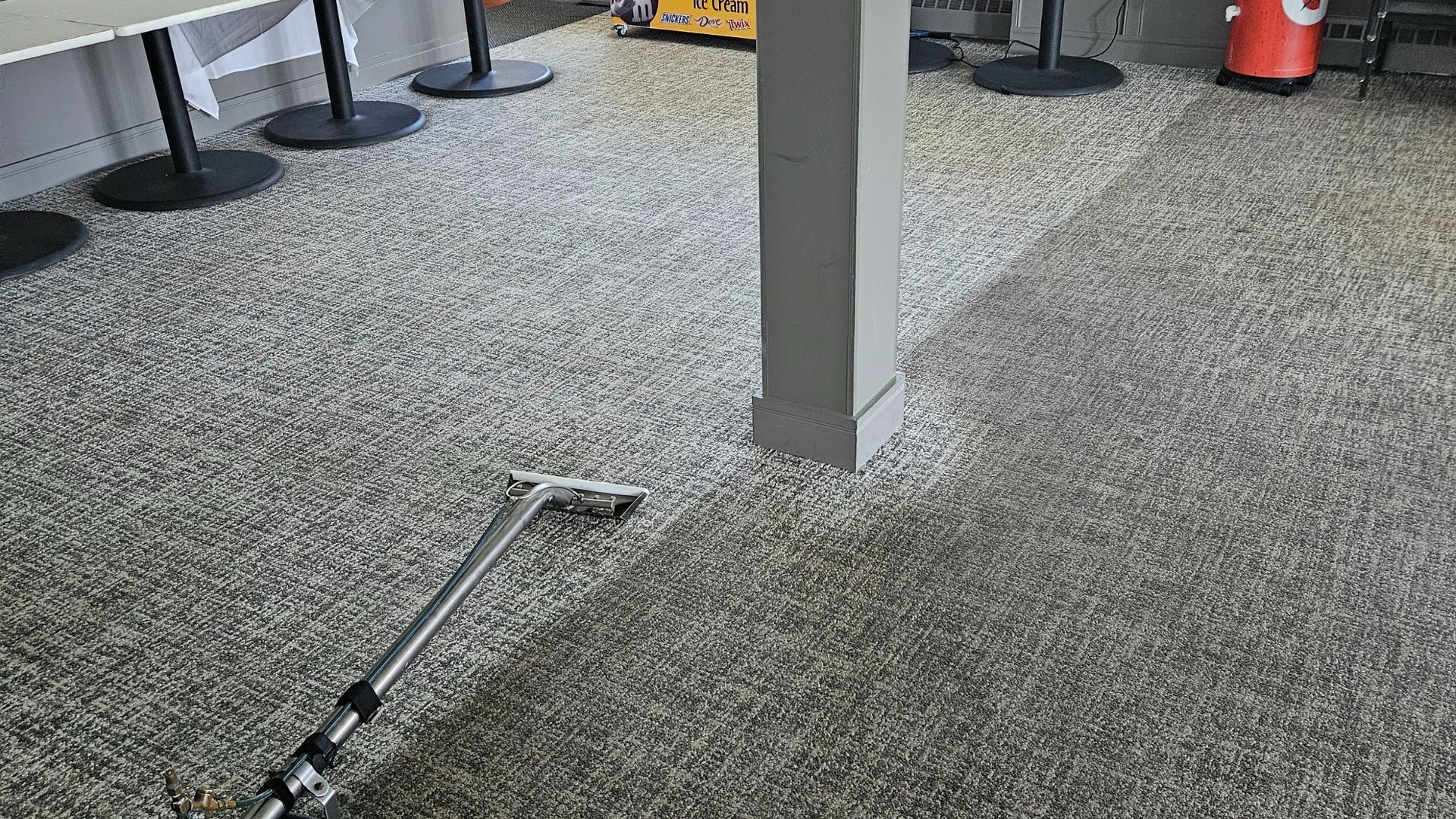
Yes, professional carpet cleaning delivers measurable benefits for indoor air quality, allergen levels, carpet lifespan, and appearance. It removes soil and biological contaminants a vacuum can’t reach, slows the abrasive wear that ages carpet fiber, and lifts stains and odors at their source instead of masking them. How much you gain depends on the method used and the technician’s skill, which is why picking the right service matters as much as scheduling one.
TL;DR:
- Professional cleaning significantly reduces allergens, dust mites, and pet dander that accumulate below the surface, improving indoor air quality.
- It slows fiber wear by removing embedded grit and residues, potentially delaying carpet replacement by several years.
- Deep cleaning lifts stains and odors at their biological source, restoring pile texture and preventing bacterial growth.
- Using the right method, such as hot water extraction or dry steam, combined with controlled drying, prevents mold and mildew risks.
- Regular service intervals depend on household factors, with households with pets or allergies needing cleanings every 3 to 9 months for optimal benefits.
Table of Contents
What Are the Benefits of Professional Carpet Cleaning?
Carpet works like a filter for your whole house. Every footstep presses dust, dander, and pollen deeper into the pile, and a household vacuum only reaches the top layer. Professional cleaning gets to the rest of it, and the payoff shows up in four distinct ways.
Health. Deep cleaning pulls out allergens, dust mite antigen, and pet dander that build up below the surface, functioning as source control for indoor air quality rather than just surface tidying. Combined with strong pre-vacuuming and fast drying, deep cleaning reduces the allergen reservoir that gets kicked back into the air every time someone walks across the room.
Lifespan and asset preservation. Grit sitting in carpet fibers acts like sandpaper with every step. That embedded soil scratches and dulls fibers over time, and residues left behind by low-quality cleaning attract even more dirt. Removing that grit through professional cleaning slows fiber degradation and pushes back the day you have to replace the carpet entirely.
Appearance and odor. Stains sit deeper than they look, and the smell from old spills or pet accidents usually traces back to bacteria or mold growing in the backing, not just the surface residue. Professional extraction lifts crushed pile back up and removes the biological source of the odor instead of covering it with fragrance.
Maintenance and return on investment. Clean carpet is easier to vacuum, shows spots less, and needs fewer emergency spot treatments between visits. Many carpet manufacturers also require documented professional cleaning on a set schedule to keep a warranty valid, so skipping it can cost you coverage on top of the carpet itself.
- Health: lower allergen and dander load, better source control for airborne particulates
- Lifespan: less fiber abrasion, delayed replacement costs
- Appearance: deeper stain lift, restored pile texture, odor eliminated at the source
- Maintenance: easier upkeep between visits, preserved manufacturer warranty terms
Pro Tip: If your carpet came with a stain-resistance warranty, check the fine print. Most require professional cleaning on a documented schedule, and missing it can void coverage you already paid for.
If you’re dealing with pet accidents specifically, DIY stain removal rarely reaches the odor source the way professional extraction does.
What Does the Research Say About Carpet Cleaning?
The U.S. Environmental Protection Agency does not issue one mandated cleaning frequency for carpets. Instead, the agency points households toward carpet manufacturer instructions and recognized industry standards, since the right schedule depends on traffic, occupants, and carpet type.
That’s also the logic behind CRI 204, the Carpet and Rug Institute’s maintenance standard, which recommends scheduled deep cleaning paired with manufacturer guidance to protect appearance, air quality, and service life together rather than treating them as separate goals.
The clearest data point on method comes from a peer-reviewed comparison of cleaning techniques.
Repeated HEPA vacuuming cut carpet dust loading, polycyclic aromatic hydrocarbons, and house dust mite allergens significantly more than HEPA vacuuming used alone.
That gap matters most in homes with heavy baseline contamination or occupants sensitive to allergens, according to the same study published in Journal of Environmental Monitoring. A related analysis notes that results vary by study context, and follow-up vacuuming after cleaning helps lock in the gains.
| Method | What it targets | Reported reduction |
| HEPA vacuuming alone | Surface dust and loose allergens | Lower than combined method |
| HEPA vacuuming | Dust, PAHs, house dust mite allergens | 64.4% dust, 69.1% PAHs, 85.5% HDM allergens |
Carpet acts as a particle reservoir. Dry soil grinds against fibers with every footstep, and leftover cleaning residue makes that worse by attracting more dirt. Over-wetting during cleaning creates its own risk, since trapped moisture can feed mold and mildew instead of removing it.
How Do Professionals Clean Carpet Differently?
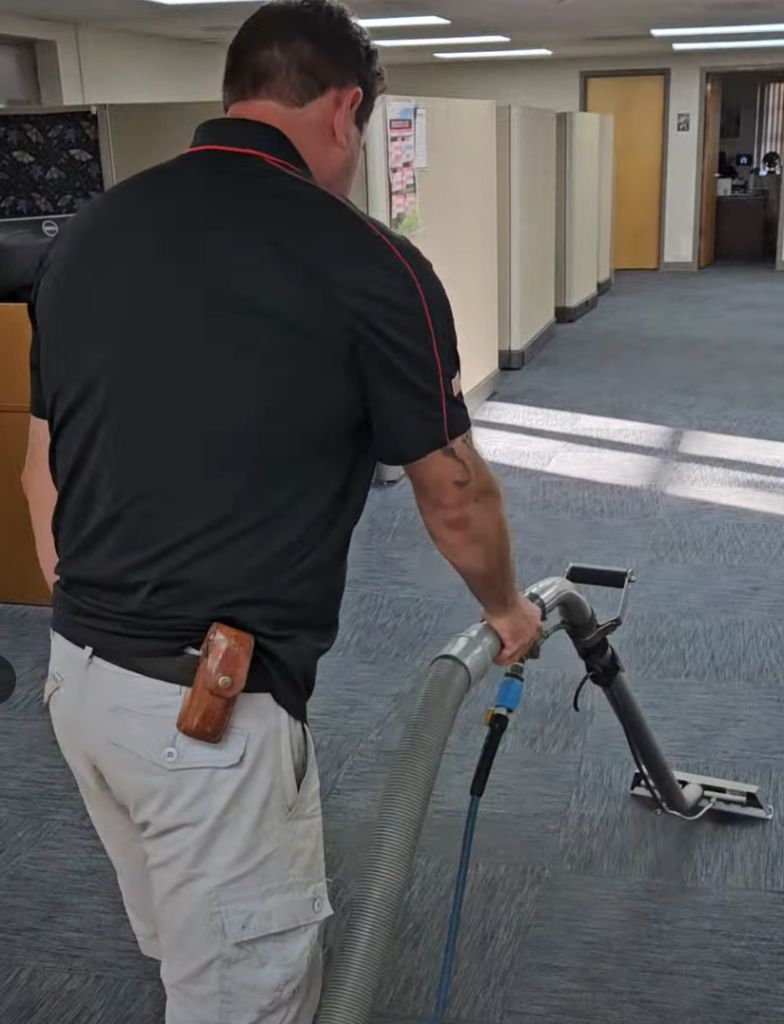
Hot water extraction forces heated water and detergent into the pile, then pulls it back out with strong suction, removing dissolved soil and most surface stains in one pass.
Both methods start the same way: thorough HEPA pre-vacuuming to pull up loose dust before any liquid or vapor touches the carpet, using low-dust door replacement process for homeowners techniques to minimize indoor dust during home projects. Technicians then match detergent to soil type, control extraction strength to avoid leaving residue, and manage airflow so the carpet dries within a reasonable window instead of staying damp for days.
- Hot water extraction: best for deep-set stains and heavy soil
- Dry steam: gentler moisture control, faster drying on sensitive fibers
- HEPA pre-vacuuming: removes loose particulate before wet cleaning starts
- Controlled drying: prevents the mold and mildew risk that comes with over-wetting
Pro Tip: Ask what extraction rate the technician uses. Weak suction leaves detergent and moisture behind, which attracts dirt faster and can trigger the musty smell homeowners mistake for “carpet that never really got clean.”
For a fuller walkthrough of what happens during a visit, see how professional cleaners approach a job step by step.
How Often Should You Get Carpet Professionally Cleaned?
Since the EPA sets no universal schedule, the right frequency comes down to who lives in the house and how the carpet gets used.
- Low-traffic rooms with no pets or kids: once a year is usually enough.
- Average households: every 6 to 12 months keeps soil buildup and fiber wear in check.
- Homes with pets, young children, or allergy and asthma sufferers: every 3 to 9 months, depending on severity.
- Immediate cleaning triggers regardless of schedule: visible staining, lingering odors, a spike in allergy or asthma symptoms, or any musty smell that suggests mold or mildew in the backing.
Warranty terms sometimes set their own minimum, so check your carpet manufacturer’s documentation before assuming your household schedule is enough on its own.
What Should You Expect From a Professional Carpet Cleaning Service?
A legitimate visit follows a consistent sequence: inspection of fiber type and stain history, spot testing in an inconspicuous area, thorough pre-vacuuming, targeted pretreatment on stains, full extraction, and a post-inspection walkthrough with a clear drying timeline.
Look for technicians certified through the IICRC’s Carpet Cleaning Technician program, since that credential signals training in the extraction and moisture control standards CRI 204 describes. A trustworthy company also provides a written estimate before starting and documentation you can file for warranty purposes.
- Ask about expected drying time and get it in writing
- Ask how they prevent residue buildup after extraction
- Ask whether their process matches manufacturer requirements for your carpet type
- Confirm they provide service documentation for warranty claims
Pro Tip: A tech who can tell you your carpet’s drying window before starting the job, usually 6 to 12 hours with proper extraction, is a good sign they know what they’re doing. Vague answers on drying time often mean vague answers on everything else.
For the full breakdown of a typical deep-cleaning workflow, see the standard steps a professional visit follows.
A Technician’s View on Where Homeowners Go Wrong
The two mistakes I see most often are waiting too long between cleanings and reaching for a rented extractor that overwets the carpet instead of drying it properly. Both create the same result: trapped moisture, lingering odor, and fibers that wear out faster than they should. Working from a company built on decades of hands-on experience in New England homes, I’ve watched the same carpets look and smell noticeably better within a day of proper extraction and controlled drying. Between visits, run a HEPA vacuum slowly over traffic lanes. Speed matters less than dwell time for actually lifting embedded soil.
Get the Full Benefit of a Professional Deep Clean
A professional carpet cleaning company with many years of experience uses eco-conscious methods and warranty-aware extraction practices that protect both your carpet and your indoor air.

Instead of guessing at drying times or renting equipment that leaves residue behind, request a free carpet cleaning quote for your Massachusetts home and get a technician who follows manufacturer and CRI guidance from the first pre-vacuum pass to the final inspection. If odors or allergy symptoms have been building for months, that’s the clearest sign it’s time to schedule the visit rather than wait for another season to pass.
