
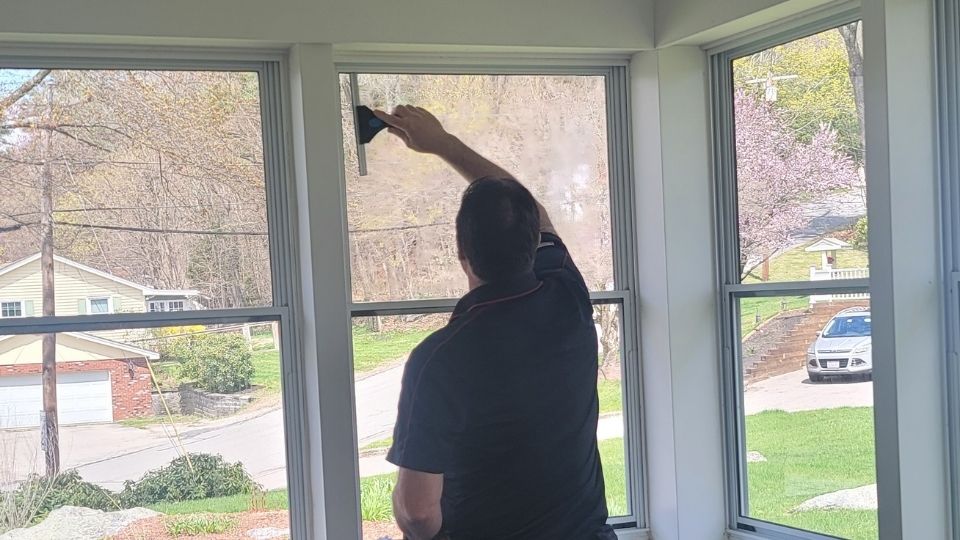
Professional window cleaning does more than make glass sparkle. It can extend window lifespan by up to 20% compared to DIY methods that often leave scratches and residue. For New England homeowners and property managers facing salt air and harsh weather, choosing the right service means protecting your investment while supporting sustainable practices. This guide reveals how to identify truly eco-friendly providers who deliver exceptional results and customer care.
Table of Contents
Key takeaways
| Point | Details |
| Longevity and clarity | Professional cleaning extends window life through proper techniques and equipment while maintaining pristine visibility. |
| Sustainable methods | Biodegradable cleaners and pure water technology eliminate pollution and chemical runoff in local ecosystems. |
| Reliable service | Transparent pricing, safety compliance, and responsive communication ensure trustworthy results. |
| Regional expertise | New England’s coastal climate demands specialized approaches to combat salt air and seasonal challenges. |
| Value proposition | Professional services outperform DIY in effectiveness, environmental impact, and long-term cost savings. |
Introduction to professional window cleaning
Professional window cleaning encompasses far more than wiping glass with a squeegee. It includes residential home services, commercial high-rise work, and specialized high-elevation cleaning requiring advanced equipment and training. Professionals bring expertise in glass types, proper cleaning agents, and safety protocols that DIY efforts cannot match.
The gap between professional and DIY results becomes clear quickly. Professionals use commercial-grade equipment, purified water systems, and techniques that prevent streaking. They understand how different glass coatings react to cleaners and adjust methods accordingly. Safety training allows them to work on multi-story buildings without risk, while homeowners attempting similar heights face serious injury potential.
Abrasive buildup from improper DIY cleaning creates microscopic scratches that accumulate over years. Windows cleaned professionally last 15-20% longer than those maintained with household methods. This longevity stems from pH-balanced solutions and soft tools that remove dirt without damaging glass surfaces.
Property value directly correlates with curb appeal, and crystal-clear windows signal meticulous maintenance. Potential buyers notice spotless glass immediately, while neglected windows suggest deeper property issues. Commercial properties benefit even more dramatically, as clean windows project professionalism and attention to detail that attracts customers and tenants.
Pro Tip: Schedule professional cleaning before listing your property for sale. The investment typically returns 3-5 times its cost through faster sales and higher offers.
Eco-friendly practices in window cleaning
Biodegradable cleaning agents have revolutionized the window cleaning industry. These non-toxic solutions break down naturally without contaminating groundwater or harming plants below windows. Traditional ammonia-based cleaners release volatile organic compounds and create runoff that damages local ecosystems, particularly New England’s sensitive coastal environments.
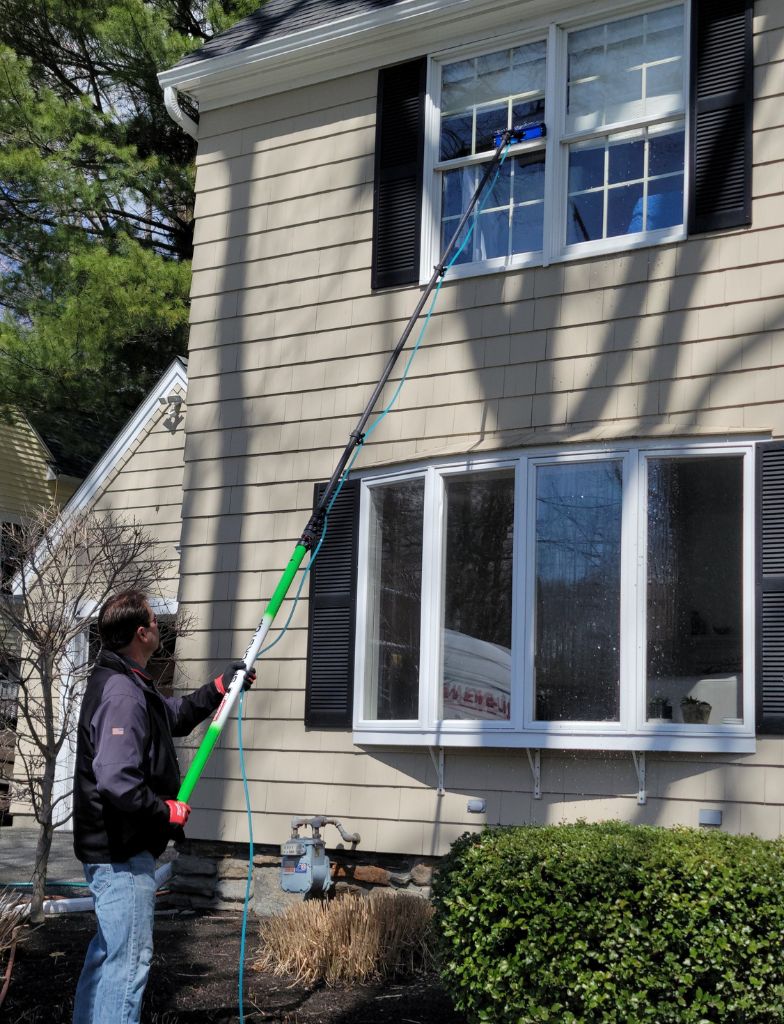
Pure water technology represents the gold standard in sustainable window cleaning. This system filters tap water through multiple stages, removing minerals and impurities that cause streaking. The resulting ultra-pure water attracts dirt like a magnet, requiring no chemical additives. Windows dry naturally without residue, eliminating the need for squeegees and reducing water waste by up to 40%.
- Deionization removes dissolved salts and minerals
- Reverse osmosis filters out microscopic contaminants
- Carbon filtration eliminates chlorine and organic compounds
- Final polishing stage achieves laboratory-grade purity
Runoff pollution poses serious threats to New England’s waterways and marine life. Chemicals from conventional window cleaning flow into storm drains, eventually reaching rivers and coastal areas. Eco-friendly cleaning practices in New England protect these vital water resources while maintaining cleaning effectiveness.
Long-term benefits extend beyond environmental protection. Building occupants breathe easier without chemical residues on glass surfaces. Reduced exposure to harsh cleaners prevents respiratory irritation and allergic reactions. Properties near schools, hospitals, or residential areas particularly benefit from these healthier cleaning approaches.
Pro Tip: Ask potential window cleaning providers about their water purification system specifications. Companies using genuine pure water technology should explain their filtration process in detail.
Customer care and service reliability
Clear communication forms the foundation of excellent customer service. Responsive providers answer questions promptly, explain their processes thoroughly, and set realistic expectations about timing and results. This transparency builds trust that transcends individual cleaning appointments.
Customer service protocols separate professional operations from casual services. Reputable companies provide upfront itemized quotes detailing every service component. They confirm appointments 24-48 hours in advance and notify clients immediately about any schedule changes. Feedback channels allow customers to report concerns and receive swift resolution.
Local New England knowledge dramatically impacts service quality. Commercial cleaning providers in Massachusetts understand how coastal salt air affects different window types. They recognize when seasonal pollen requires adjusted cleaning schedules and know which months bring the heaviest precipitation.
Family-owned cleaning services often demonstrate superior commitment to local communities. These established businesses depend on reputation and word-of-mouth referrals, incentivizing consistent quality. They employ local workers who understand regional challenges and maintain long-term relationships with clients.
Verified reviews and testimonials provide invaluable insight into service reliability. Look beyond star ratings to read detailed experiences about communication, punctuality, and problem resolution. Pay attention to how companies respond to negative feedback, as this reveals their commitment to customer satisfaction.
Safety protocols and best practices
Professional window cleaners follow strict OSHA regulations governing fall protection and equipment use. Harnesses, lifelines, and anchor points must meet specific load ratings and undergo regular inspection. These requirements protect workers while ensuring consistent service delivery without accidents.
Scaffolding and aerial lift equipment require specialized training and certification. Professionals understand load limits, stability requirements, and weather restrictions that prevent accidents. They inspect equipment before each use, identifying worn components that could fail under stress.
- Fall protection training updated annually
- Personal protective equipment including non-slip footwear
- Weather monitoring systems that delay dangerous conditions
- Emergency response protocols for immediate incident management
Commercial and multi-story buildings demand additional safety measures. Window cleaning at heights above three stories requires advanced rigging knowledge and backup safety systems. Professional companies maintain detailed safety plans specific to each building’s architecture and access points.
Regular safety audits identify potential hazards before accidents occur. Third-party inspectors review equipment maintenance logs, training records, and incident reports. Companies with strong safety cultures document near-misses and implement corrective actions proactively. This commitment to worker protection translates directly to reliable, uninterrupted service for clients.
Specialized cleaning services in Massachusetts include comprehensive insurance coverage protecting both workers and property. Verify that providers carry adequate liability insurance and workers’ compensation before signing contracts.
Pro Tip: Request proof of insurance and safety certifications before allowing any window cleaning work above the first floor. Legitimate professionals provide this documentation immediately.

Local New England challenges and maintenance tips
Coastal salt air accelerates window degradation throughout New England’s shoreline communities. Sodium chloride crystals attach to glass surfaces, attracting moisture that creates stubborn films. Left untreated, this corrosive buildup etches glass permanently, reducing clarity and shortening window lifespan.
Frequent rain in New England creates a paradox for window maintenance. While precipitation rinses some surface dirt, it also deposits dissolved minerals and airborne pollutants. Water spots form as droplets evaporate, leaving behind calcium and magnesium deposits that require professional removal.
- Spring cleaning addresses winter salt accumulation and pollen
- Summer maintenance prevents UV damage and insect residue
- Fall preparation removes leaf debris before winter storms
- Winter touch-ups combat ice melt splash and road salt spray
Recommended cleaning schedules vary by location and exposure. Properties within five miles of the coast benefit from quarterly professional cleaning. Inland homes typically require service every six months. Buildings near major highways or industrial areas need more frequent attention due to elevated pollutant levels.
Window and solar panel cleaning services often bundle maintenance packages that address multiple exterior surfaces efficiently. Protective treatments like hydrophobic coatings repel water and reduce dirt adhesion. These applications extend time between cleanings while maintaining superior clarity.
Essential window cleaning tips from local experts emphasize timing services around weather patterns. Avoid scheduling immediately before predicted storms, as fresh rain will undo recent work. The Nu-England Services blog provides seasonal advice specific to regional conditions.
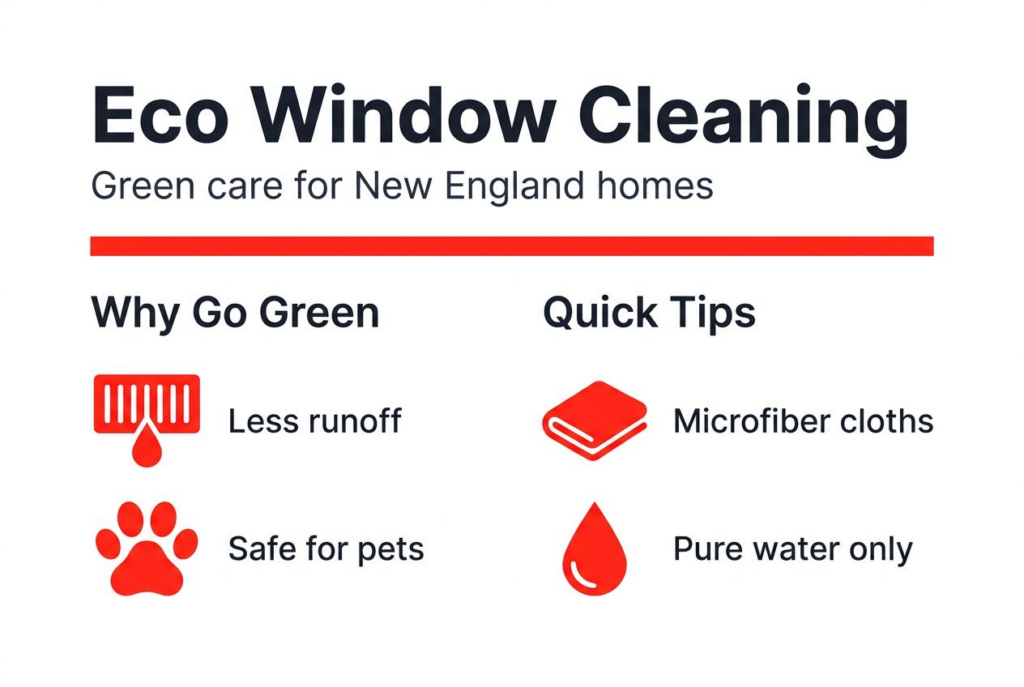
Professional vs DIY window cleaning: a comparison
Professional services deploy advanced equipment unavailable to homeowners. Water-fed poles reach third-story windows safely from ground level. Commercial-grade squeegees with precision rubber blades eliminate streaking that cheap tools cause. Trained staff recognize glass types and adjust techniques accordingly.
DIY approaches typically rely on ammonia-based sprays and paper towels or newspaper. These methods leave lint, create streaks, and release harsh fumes indoors. Chemical residues attract dust faster, requiring more frequent cleaning. Professional services prolong window lifespan and reduce environmental harm compared to DIY.
| Factor | Professional Service | DIY Approach |
| Equipment | Pure water systems, commercial squeegees, water-fed poles | Spray bottles, paper towels, basic squeegees |
| Cleaning agents | Biodegradable, pH-balanced solutions | Ammonia-based chemicals, vinegar mixtures |
| Environmental impact | Minimal runoff, non-toxic products | Chemical pollution, higher water waste |
| Safety | OSHA-compliant gear, trained staff | Ladders without proper stabilization |
| Results longevity | Windows stay clean 2-3 times longer | Faster re-soiling due to residue |
| Cost per year | Higher upfront, lower frequency | Lower per cleaning, more frequent need |
Safety protocols represent the starkest difference between professional and DIY methods. Homeowners climbing ladders account for thousands of emergency room visits annually. Professionals use stabilization equipment and fall protection that eliminates these risks entirely.
Dirt re-accumulation happens faster after DIY cleaning due to residue left behind. Improper rinsing leaves soap films that attract airborne particles. Professional pure water systems eliminate this issue, keeping windows cleaner between services. Over time, this efficiency offsets higher professional service costs.
Potential window damage from DIY methods includes scratches from abrasive materials and etching from improper chemical use. Homeowners often scrub too aggressively, creating permanent surface defects. Professional cleaning services understand pressure limits and use appropriate tools for each glass type.
Pricing transparency and value assessment
Itemized service quotes separate legitimate professionals from questionable operators. Detailed estimates break down labor, materials, equipment fees, and any additional charges. This transparency allows accurate comparison between providers and prevents surprise costs after work completion.
Transparent pricing builds client trust and establishes long-term relationships. Companies confident in their value proposition clearly explain what each service component delivers. They discuss options for frequency discounts, package deals, and seasonal promotions without pressure tactics.
- Base rate per window or square footage
- Additional charges for screens, tracks, or sills
- Premium fees for hard water stain removal or high-elevation work
- Discounts for recurring service contracts
Balancing cost with quality requires evaluating multiple factors beyond price alone. Eco-friendly product use costs more upfront but delivers superior results and environmental benefits. Companies investing in staff training and premium equipment charge appropriately for their enhanced capabilities.
Red flags include vague estimates without property inspection, prices significantly below market rates, and pressure to commit immediately. Legitimate professionals visit sites to assess window count, accessibility, and special requirements before quoting. Suspiciously low prices often indicate corner-cutting on safety, insurance, or product quality.
Payment terms should be clear and reasonable. Most professional services require payment upon completion, with deposits only for large commercial projects. Be wary of demands for full payment upfront or cash-only policies that avoid documentation.
Common misconceptions about window cleaning
Eco-friendly claims require verification through recognized certifications. Many companies use vague green marketing without substantive environmental practices. Look for specific standards like Green Seal certification or memberships in professional environmental organizations.
DIY cleaning appears cost-effective initially but often costs more over time. Streaky results, faster re-soiling, and potential window damage create hidden expenses. Factor in the value of your time, safety risks, and inferior outcomes when comparing approaches.
- Myth: Higher prices always indicate superior quality
- Reality: Evaluate certifications, reviews, and service details
- Myth: All cleaning products work equally well
- Reality: Chemical composition dramatically affects results and environmental impact
- Myth: Windows only need cleaning when visibly dirty
- Reality: Preventive maintenance prevents permanent damage and extends lifespan
Price-quality correlations break down without transparency. Expensive services may simply reflect overhead costs or premium branding rather than superior results. Conversely, mid-range providers with strong local reputations often deliver excellent value through efficiency and expertise.
Local expertise gets overlooked despite its critical importance. National chains may offer lower prices but lack understanding of regional challenges like New England salt air or specific weather patterns. Local providers develop specialized knowledge that directly improves service quality.
Safety compliance remains invisible to customers until accidents occur. Verifying insurance, OSHA adherence, and proper training protects you from liability if workers get injured on your property. These foundational elements deserve equal weight with cleaning quality and environmental practices.
Decision-making framework for selecting window cleaning services
Step 1: Verify certified eco-friendly methods before considering other factors. Request documentation of biodegradable cleaning agents and pure water system specifications. Companies genuinely committed to sustainability provide this information readily and explain their environmental impact reduction strategies.
Step 2: Review customer feedback across multiple platforms to assess responsiveness and reliability. Look for patterns in reviews regarding punctuality, communication, and problem resolution. Contact references directly when possible to ask specific questions about their experience.
Step 3: Confirm safety protocols match your property requirements. Multi-story buildings need providers with advanced rigging certifications and commercial liability insurance. Request proof of OSHA compliance, workers’ compensation coverage, and recent safety audit results.
Step 4: Compare itemized pricing that reflects both service quality and sustainable practices. Evaluate what’s included in base rates versus additional charges. Calculate annual costs based on recommended cleaning frequency for your location and window exposure.
| Evaluation Criteria | What to Verify | Red Flags |
| Customer service | Response time, quote detail, appointment flexibility | Poor communication, rushed estimates |
| Safety standards | Insurance proof, OSHA compliance, training records | Inability to provide documentation |
| Pricing | Itemized quotes, transparent fee structure | Vague estimates, pressure tactics |
| Local expertise | Years serving New England, regional knowledge | Generic approaches, no local references |
This systematic framework eliminates emotional decision-making and focuses on objective criteria. Weight each factor based on your priorities, whether environmental impact, safety, or cost efficiency matters most. Document your evaluation to compare providers fairly and make confident selections.
Integrated service providers often deliver better value through bundled maintenance packages.
Discover expert window cleaning services with Nu-England Services
When professional window cleaning matters, Nu-England Services delivers certified eco-friendly solutions tailored to New England’s unique climate challenges. Since 1968, this family-owned company has perfected sustainable cleaning methods that protect your windows and local environment.
Transparent pricing eliminates surprises, while dedicated customer support ensures every appointment meets your expectations. Their team understands how coastal salt air and seasonal weather impact window maintenance, adjusting techniques accordingly. From specialized cleaning services to comprehensive property care, they offer seven types of cleaning solutions designed for New England homes and businesses. Visit Nu-England Services to request your free quote and experience the difference local expertise makes.
Frequently asked questions
How often should I schedule professional window cleaning in New England?
Typically, every 3-6 months provides optimal results for most New England properties. Coastal homes within five miles of the ocean benefit from quarterly service due to salt air exposure. High-pollution areas near highways or industrial zones also require more frequent attention. Adjust your schedule seasonally to address specific challenges like spring pollen or winter road salt accumulation.
What certifications should I look for in a professional window cleaning service?
Look for Green Seal certification confirming genuine eco-friendly practices and OSHA compliance demonstrating safety commitment. Professional affiliations with organizations like the International Window Cleaning Association validate industry expertise. Insurance documentation including liability coverage and workers’ compensation protects you from potential accidents. Local business bureau accreditation indicates established reputation and accountability.
Can professional window cleaning prevent damage that DIY methods cause?
Yes, professionals use techniques and equipment specifically designed to avoid scratches and abrasive buildup that shorten glass lifespan. Professional cleaning reduces damage from improper tools and harsh chemicals common in DIY approaches. Their pH-balanced solutions and soft implements protect window coatings and seals. This careful treatment extends window life by 15-20% compared to amateur methods.
Are eco-friendly window cleaning products less effective?
No, certified biodegradable cleaners and pure water technology achieve superior results without harmful chemical residues. Pure water systems actually outperform traditional methods by eliminating the minerals that cause streaking. These sustainable approaches protect indoor air quality and local ecosystems while maintaining pristine window clarity. Environmental responsibility and cleaning effectiveness work together, not against each other.
