
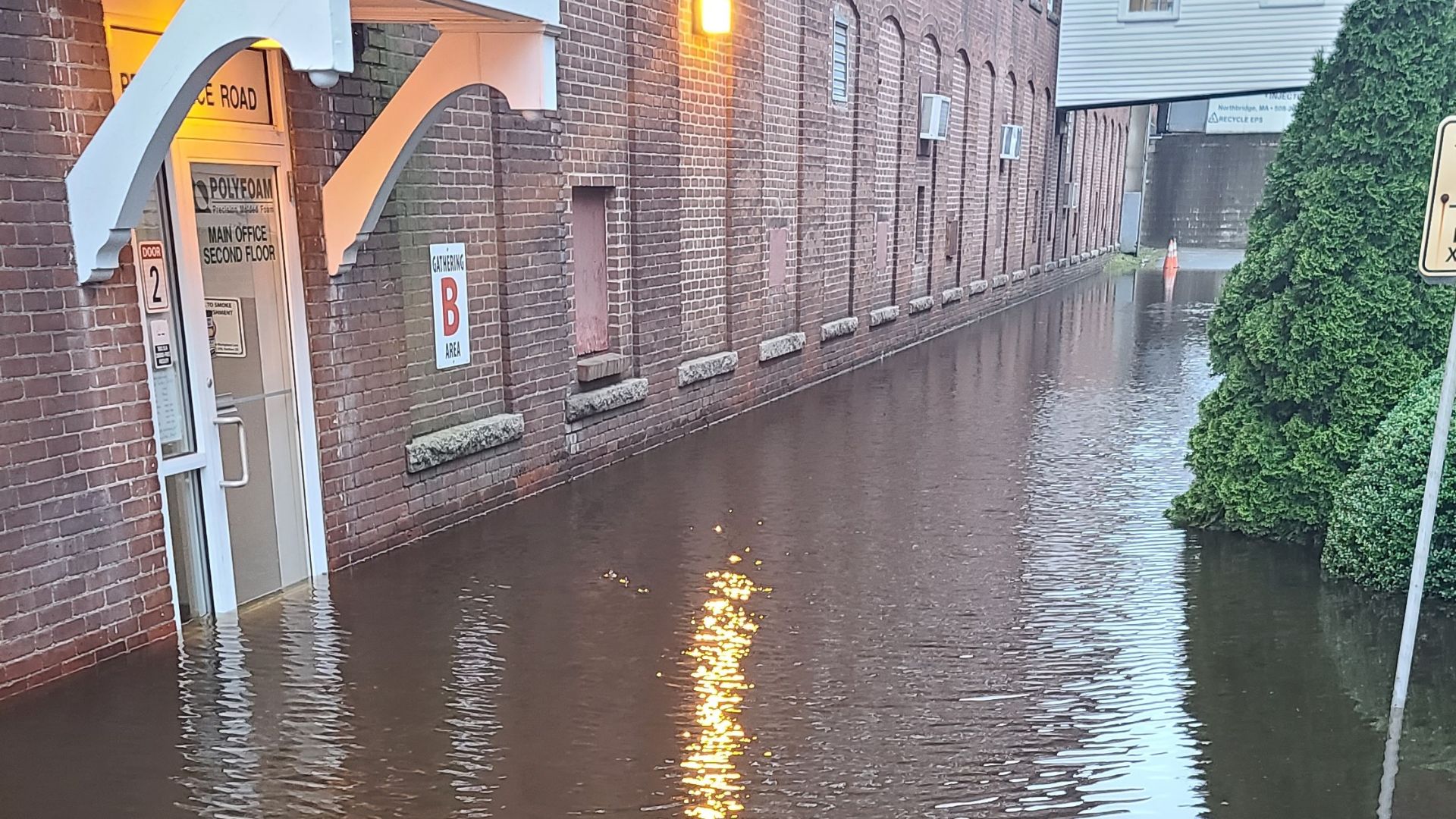
Every year, water damage strikes over 14,000 people in the US each day, disrupting homes, businesses, and lives. And now that winter is here in New England, freezing pipes become a real danger that can lead to water damage. Left unchecked, even small leaks can turn into financial nightmares or serious health threats from mold and bacteria. Understanding the full scope of water damage restoration is vital for anyone looking to protect their property and well-being. This guide breaks down exactly how professional services tackle water emergencies, what makes each situation unique, and how property owners can make informed choices in a crisis.
Table of Contents: What is Water Damage Restoration
Key Takeaways
| Point | Details |
| Water Damage Restoration Process | Involves assessment, water removal, drying, cleaning, and repair to restore properties effectively. |
| Importance of Professional Services | Professional intervention ensures comprehensive management of water damage, preventing long-term health and structural issues. |
| Water Damage Classification | Understanding the categories of water damage (Clean, Gray, Black) is vital for effective response and health risk management. |
| Cost Considerations | Restoration costs vary widely based on damage extent and contamination; professionals provide essential assessment to avoid costly mistakes. |
Defining Water Damage Restoration Services
Water damage restoration is a specialized process designed to repair and restore properties after experiencing water-related destruction. According to Wikipedia, this comprehensive service involves multiple critical stages: assessment, water removal, drying, cleaning, and repair. The goal is straightforward yet complex: return a property to its original condition before the water damage occurs.
Professional water damage restoration follows strict scientific standards established by the Institute of Inspection, Cleaning and Restoration Certification (IICRC). Psychrometry, the science of drying, plays a crucial role in monitoring and executing precise moisture control techniques. Restoration professionals use advanced equipment like industrial dehumidifiers, air movers, and moisture detection tools to systematically extract water and prevent secondary damage such as mold growth.
The restoration process typically involves several key stages:
- Initial property assessment and damage evaluation
- Water extraction using powerful pumping equipment
- Comprehensive structural drying and dehumidification
- Sanitization and thorough cleaning of affected areas
- Repair and reconstruction of damaged structural elements
While water damage can occur from various sources like burst pipes, flooding, or storm damage, Emergency Restoration Services Massachusetts can help property owners navigate these challenging situations quickly and effectively. Professional restoration ensures not just surface-level cleanup, but a comprehensive approach to preventing long-term structural and health risks associated with water damage.
Types of Water Damage and Classifications
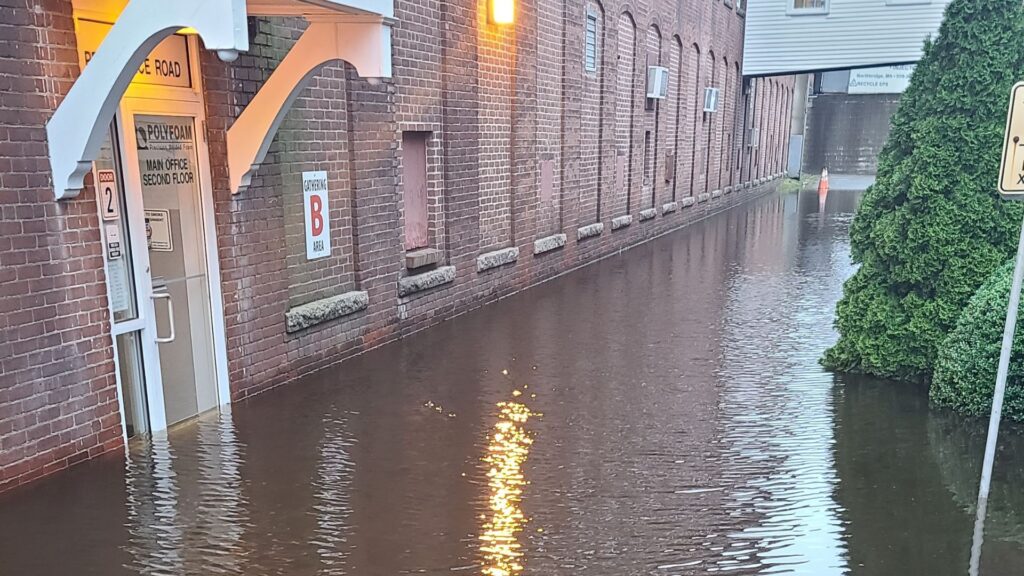
Understanding water damage requires recognizing its complex categorization system. According to Wikipedia, water damage is scientifically classified into three distinct categories based on contamination levels, each presenting unique challenges and health risks for property owners and restoration professionals.
Category 1 (Clean Water) represents the least dangerous type of water damage. This classification includes water from sanitary sources like broken water supply lines, burst pipes, or malfunctioning appliances. While seemingly harmless, clean water can quickly become contaminated if left untreated, potentially progressing to more hazardous damage categories within 48 hours.
Category 2 (Gray Water) represents a more serious contamination level. This type of water contains significant biological or chemical contaminants that can cause potential illness or discomfort. Gray water typically originates from sources such as:
- Washing machine overflows
- Dishwasher discharge
- Toilet overflow with urine (no feces)
- Sump pump failures
Category 3 (Black Water) represents the most dangerous and unsanitary water damage classification. This category involves grossly contaminated water containing harmful agents that can cause severe health risks. Black water sources include:
- Sewage backups
- Flooding from rivers or streams
- Standing water with microbial growth
- Water containing fecal matter
While understanding these classifications is crucial, Emergency Restoration Services Massachusetts provides professional assessment and mitigation strategies to address water damage effectively, regardless of its category. Professional intervention ensures comprehensive cleanup, sanitization, and prevention of long-term structural and health complications.
Step-By-Step Water Restoration Process
Water damage restoration is a meticulous and systematic process that requires professional expertise and specialized techniques. According to Wikipedia, the restoration journey involves several critical stages designed to comprehensively address water damage and prevent long-term structural complications.
Initial Assessment and Inspection represents the crucial first step in water damage restoration. Professional technicians conduct a thorough evaluation to:
- Identify the water damage category
- Determine the extent of damage
- Map affected areas
- Develop a targeted restoration strategy
The Water Extraction Phase follows immediately, involving the use of powerful industrial pumps and specialized vacuum equipment to remove standing water quickly. This stage is critical in preventing further property damage and minimizing potential microbial growth. Professionals use moisture detection tools to ensure complete water removal from hidden spaces like wall cavities, under flooring, and within structural materials.
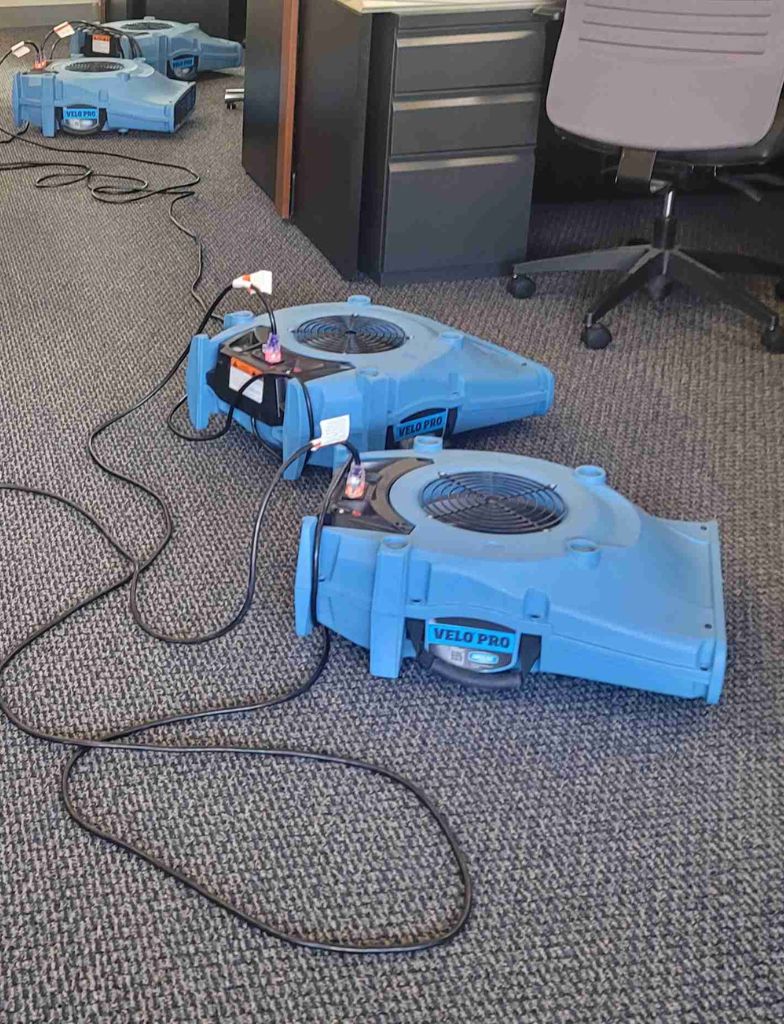
Drying and Dehumidification is the next essential stage, where industrial-grade air movers and dehumidifiers work to eliminate residual moisture. This process prevents secondary damage such as mold growth, wood warping, and structural deterioration. Technicians continuously monitor humidity levels and moisture content to ensure thorough drying.
The final stages involve Cleaning, Sanitization, and Restoration. This comprehensive process includes:
- Thorough cleaning of affected surfaces
- Sanitization to eliminate potential health hazards
- Repair or replacement of damaged structural elements
- Restoration of the property to its pre-damage condition
For property owners facing water damage challenges, our Mold Remediation Guide provides additional insights into preventing secondary damage and understanding the restoration process. Professional intervention ensures a comprehensive, scientifically-backed approach to water damage recovery.
Key Risks and Health Hazards Involved
Water damage extends far beyond structural concerns, presenting significant health risks that can compromise the well-being of property occupants. According to Kennesaw University, water damage creates environments that can trigger serious health complications, particularly through mold growth and pathogen exposure.
Respiratory Risks represent the most immediate health concern associated with water damage. Prolonged exposure to moisture-damaged environments can lead to serious respiratory issues, including:
- Asthma exacerbations
- Chronic bronchitis
- Persistent coughing and wheezing
- Increased susceptibility to respiratory infections
The Microbial Contamination aspect of water damage introduces multiple health hazards. Mold, bacteria, and other microorganisms proliferate rapidly in damp environments, creating potential health threats. Different water damage categories present varying levels of risk, with Category 2 and 3 water sources posing the most significant dangers due to their high contamination levels.
Pathogen and Bacterial Exposure can result in numerous health problems. According to Alliance Environmental, the severity of health risks increases with the duration of exposure and contamination level. Potential health impacts include:
- Skin infections
- Gastrointestinal illnesses
- Neurological complications
- Compromised immune system responses
Property owners facing water damage should take immediate action. Mold Remediation Guide offers additional insights into managing potential health risks associated with water damage and moisture-related environmental hazards.
Cost Factors and Professional vs DIY Restoration
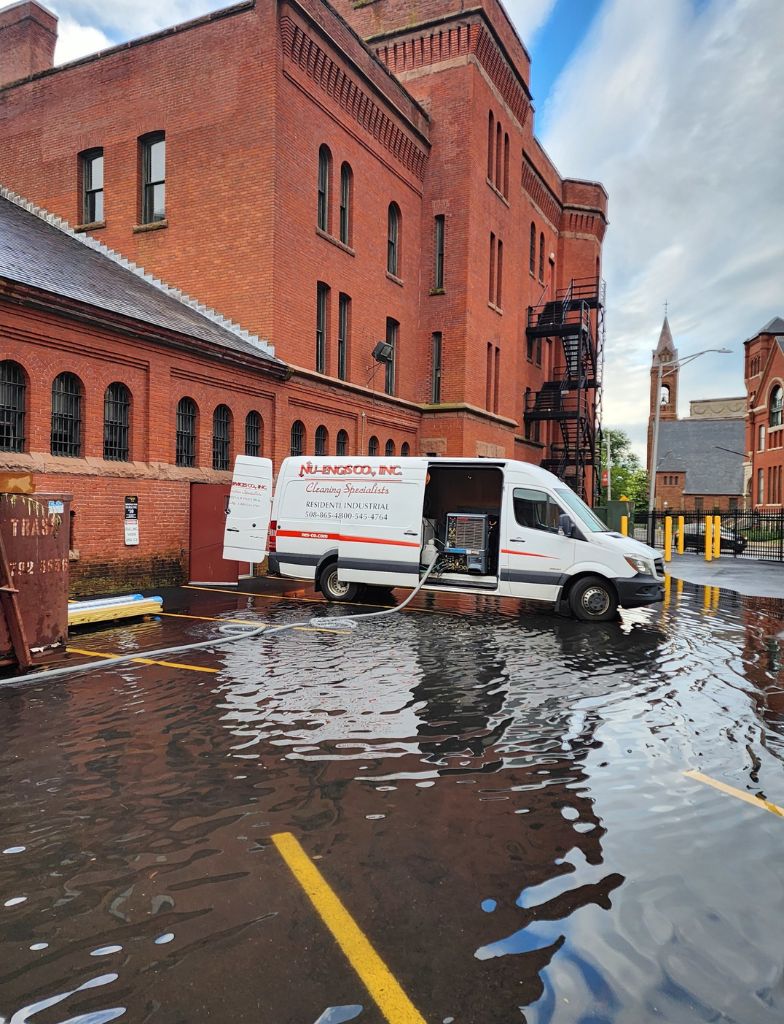
Water damage restoration costs can vary dramatically based on multiple critical factors. According to Wikipedia, restoration expenses can range from as little as $450 for minor incidents to over $16,000 for severe water damage scenarios, making professional assessment crucial for understanding potential financial implications.
Cost Determinants that significantly impact restoration expenses include:
- Extent of water damage
- Water contamination category
- Square footage of affected areas
- Types of materials damaged
- Complexity of restoration required
- Time elapsed since initial water exposure
- Potential secondary damage risks
Professional Restoration vs. DIY Approaches present distinct considerations. While minor water incidents might seem manageable for homeowners, professional services offer comprehensive solutions that prevent long-term structural and health complications. DIY attempts often lead to incomplete remediation, potentially resulting in:
- Hidden moisture pockets
- Unaddressed mold growth
- Structural integrity compromises
- Increased future repair costs
Risk Assessment plays a critical role in determining restoration strategy. Minor clean water incidents from burst pipes might be manageable, but contaminated water scenarios (Categories 2 and 3) absolutely require professional intervention. The potential health risks and complex remediation process far outweigh potential cost savings from attempting self-restoration.
Protect Your Home with Expert Water Damage Restoration
Water damage can cause overwhelming stress and serious health risks if not addressed promptly by knowledgeable professionals who understand the complexities of contamination categories and structural drying techniques. Nu-England Services brings over 50 years of local experience to New England homeowners and commercial property managers facing these urgent challenges. We use advanced drying, cleaning, and restoration methods guided by industry standards to stop further damage and restore your property safely.

If you need trusted help handling the full water damage restoration process or want to prevent mold and lingering odors after water incidents, contact Nu-England Services today. Our expert team also offers thorough Carpet Cleaning and Fire Damage solutions to support your property’s complete recovery. Visit https://nes-co.com now for your free quote and fast, reliable restoration you can count on.
Frequently Asked Questions
What is water damage restoration?
Water damage restoration is a process aimed at repairing and restoring properties affected by water-related incidents, including flood damage, leaks, or humidity issues. It involves several stages like assessment, extraction, drying, cleaning, and repair to return the property to its original condition.
What are the main categories of water damage?
Water damage is classified into three categories: Category 1 (Clean Water), which is the least harmful; Category 2 (Gray Water), which contains some contaminants; and Category 3 (Black Water), which is highly contaminated and poses severe health risks. Understanding these categories helps determine the restoration approach.
How does the water damage restoration process work?
The restoration process typically involves an initial assessment to evaluate damage, water extraction using powerful equipment, thorough drying and dehumidification, and then cleaning, sanitizing, and repairing affected areas to restore the property to its pre-damage state.
Why should I choose professional restoration services over DIY methods?
Professional restoration services ensure a comprehensive approach to handling water damage. They possess the knowledge, tools, and experience necessary to address hidden moisture and prevent secondary issues such as mold growth, which DIY attempts might overlook and potentially exacerbate.ate.
Recommended
- Essential Fire Damage Cleanup Checklist for 2025 – Nu-England Services
- Understanding the Mold Remediation Guide for New England
- Emergency Restoration Services Massachusetts – NES Co.
- 7 Types of Cleaning Services Every Property Needs
- Water Damage Wood Floor: How to Restore Your Hardwood After Spills or Flooding in Massapequa Park – Expert Wood Floor Refinishing Company | Savera Hardwood Services
- Water Damage Wood Floor Restoration Massapequa Park
