
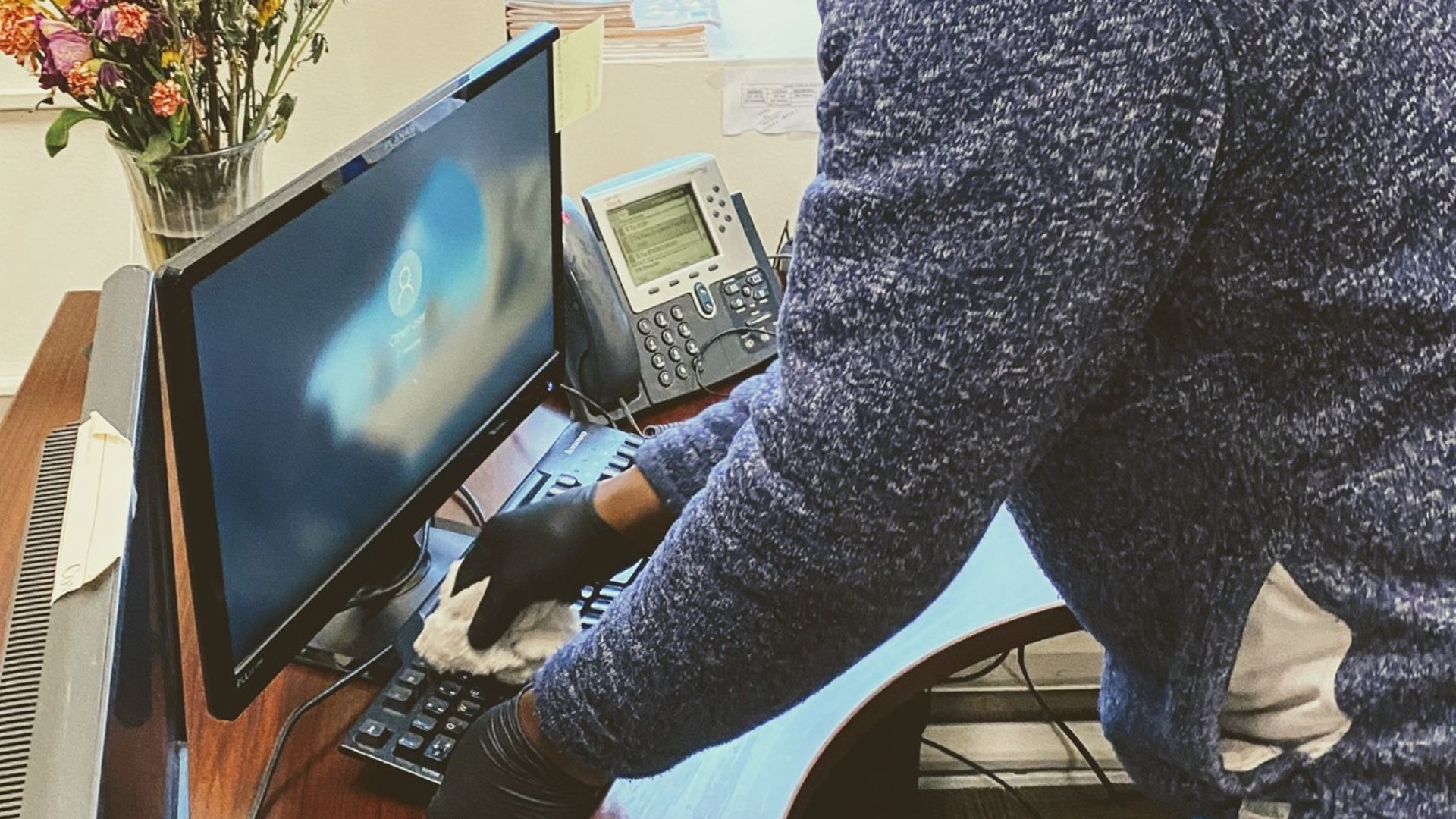
Did you know that over 2.3 million people work in commercial cleaning across the United States? For businesses, a spotless environment means more than just making a good impression. Clean spaces help protect employee health and support smooth day-to-day operations. Choosing the right commercial cleaning process brings measurable benefits, from workplace safety to professional appearance, making it a priority for every savvy business owner.
Table of Contents: Commercial Cleaning Process
Key Takeaways
| Point | Details |
|---|---|
| Comprehensive Service | Commercial cleaning encompasses specialized services beyond basic cleanliness, tailored to diverse environments and health standards. |
| Diverse Service Types | Services are categorized into office, industrial, and healthcare cleaning, each with specific requirements and protocols. |
| Systematic Workflows | Effective commercial cleaning follows a structured workflow to ensure thorough cleaning and compliance with safety regulations. |
| Eco-Friendly Practices | The industry is shifting towards sustainable practices that prioritize health and environmental safety through green cleaning methodologies. |
Defining the Commercial Cleaning Process
Commercial cleaning is a specialized professional service designed to maintain cleanliness, hygiene, and sanitation across various business and institutional environments. According to OSHA, this industry provides essential products and services that ensure a healthy indoor environment for diverse establishments like schools, hospitals, day care centers, food service operations, and office complexes.
The scope of commercial cleaning extends far beyond basic tidying. Professional cleaning services involve comprehensive strategies that address specific environmental requirements, utilizing specialized equipment, cleaning agents, and methodologies tailored to different workplace settings. CDC research highlights the significant scale of this industry, with approximately 2.3 million workers currently employed in building custodial services, and projections indicating growth to 2.6 million workers by 2031.
Key components of the commercial cleaning process typically include:
- Comprehensive site assessment
- Customized cleaning protocols
- Advanced sanitization techniques
- Specialized equipment utilization
- Environmental and safety compliance
To understand the intricate world of commercial cleaning, property managers and business owners must recognize it as a sophisticated service that goes beyond surface-level cleaning. These professionals are trained to address complex cleaning challenges while maintaining strict health and safety standards. For more detailed insights into commercial cleaning strategies in Massachusetts, check out our commercial cleaning Massachusetts guide.
Ultimately, commercial cleaning represents a critical infrastructure service that supports workplace health, productivity, and professional appearance across diverse business environments.
Types of Commercial Cleaning Services
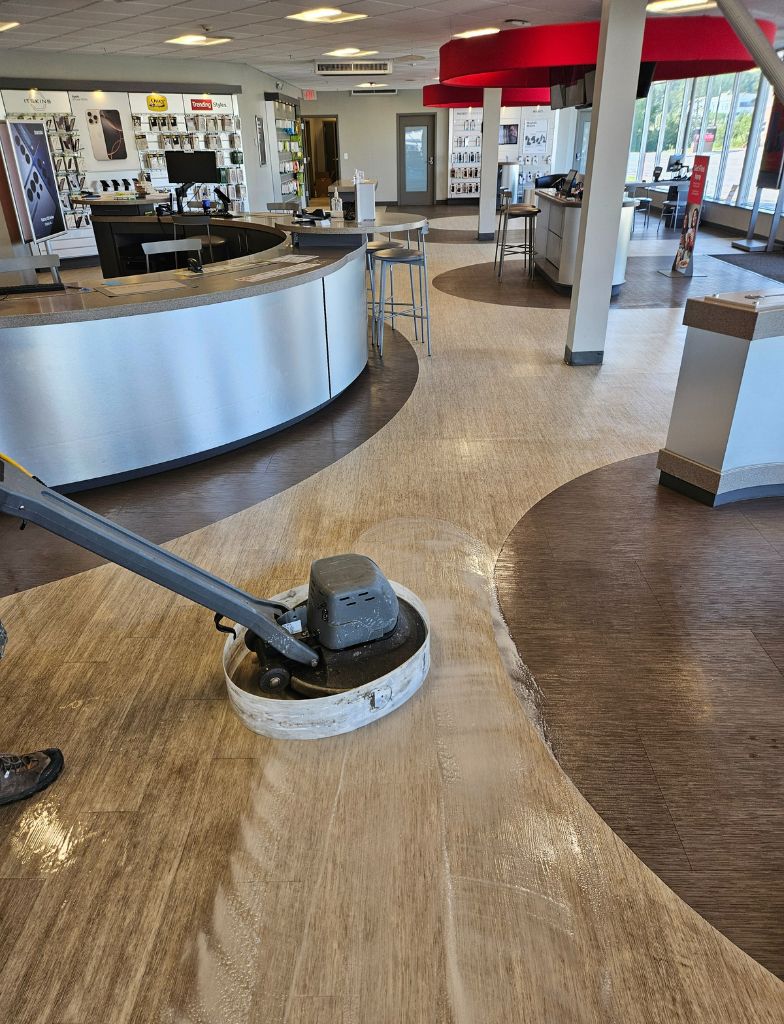
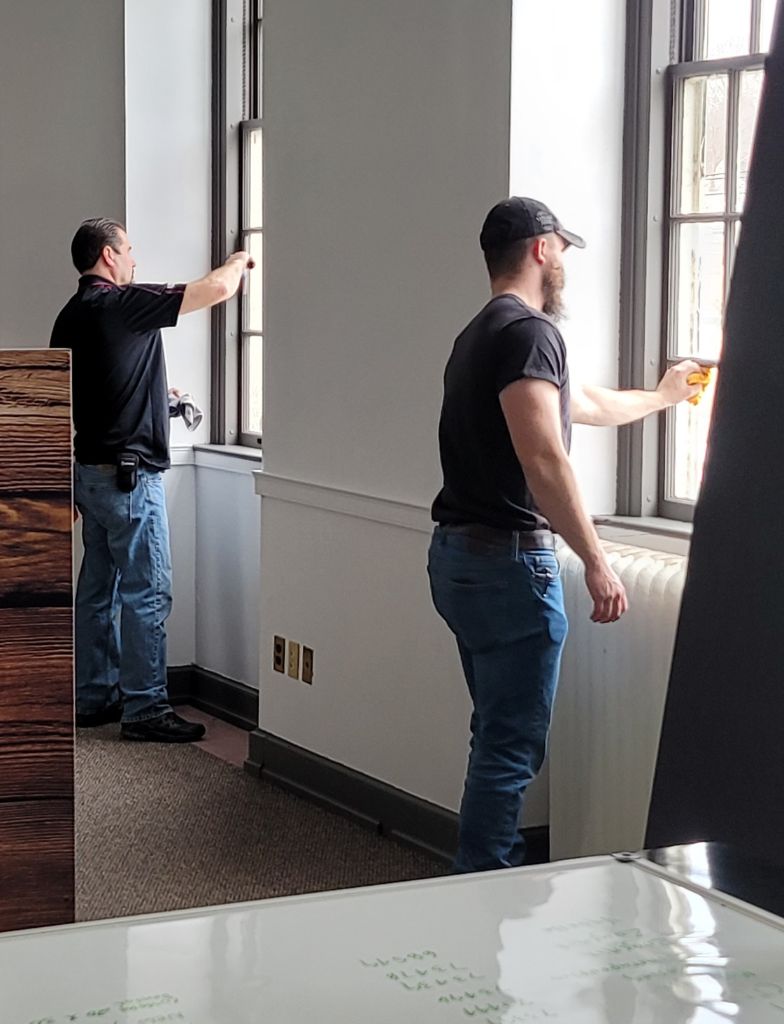
Commercial cleaning services represent a diverse and comprehensive industry that addresses the unique cleaning requirements of different business environments. According to Creative Many, these services encompass a wide range of tasks including rubbish and waste removal, dusting, vacuuming and shampooing carpets, polishing hard floors, and window and glass cleaning.
Commercial cleaning services can be strategically categorized based on the specific needs of different industries and facility types. These specialized services include:
Office Cleaning Services
- Daily maintenance
- Carpet and floor care
- Restroom sanitization
- Desk and workstation cleaning
Industrial Facility Cleaning
- Heavy-duty equipment cleaning
- Specialized surface sanitization
- Warehouse and production area maintenance
- Hazardous waste management
Healthcare Facility Cleaning
- Sterile environment maintenance
- Infection control protocols
- Specialized medical equipment cleaning
- High-touch surface disinfection
For businesses looking to explore specialized cleaning solutions tailored to specific environments, our area rug cleaning services offer insights into the meticulous approaches used in professional cleaning.
Each type of commercial cleaning service requires unique expertise, specialized equipment, and an understanding of industry-specific health and safety regulations.
Here’s a summary of the main types of commercial cleaning services and their key features:
| Service Type | Typical Environments | Core Services |
|---|---|---|
| Office Cleaning | Offices Corporate buildings | Desk cleaning Carpet care Restroom sanitization |
| Industrial Facility | Factories Warehouses | Equipment cleaning Surface sanitizing Hazardous waste management |
| Healthcare Facility | Hospitals Clinics Medical centers | Sterile environment Infection control Medical equipment cleaning |
| Professional cleaning teams are trained to adapt their techniques to the precise requirements of different workplace environments, ensuring optimal cleanliness, hygiene, and operational efficiency. |
Step-by-Step Commercial Cleaning Workflow
A systematic approach is crucial in commercial cleaning to ensure comprehensive and efficient results. According to AAMU, a thorough cleaning process involves multiple strategic steps, including sweeping and mopping floors, pressure washing, cleaning walls, moving appliances, and meticulously addressing often-overlooked areas like light switches, window tracks, and air vents.
Commercial cleaning workflows typically follow a structured progression that ensures no area is neglected:
- Pre-Cleaning Assessment
- Evaluate facility requirements
- Identify specific cleaning zones
- Determine specialized equipment needs
- Review safety protocols
- Initial Preparation
- Remove movable objects
- Clear work surfaces
- Prepare cleaning supplies
- Set up safety barriers
- Detailed Cleaning Process
- Dust and remove surface debris
- Clean and sanitize high-touch surfaces
- Vacuum and mop floors
- Address specialized areas
Modern commercial cleaning increasingly emphasizes green cleaning technologies. Western Michigan University highlights innovative approaches that use alternative products and equipment to reduce environmental and health risks while maintaining cleanliness. These include advanced systems like KaiVac Cleaning Systems and CRI Vacuums that improve energy efficiency and productivity.
For those interested in exploring specialized cleaning techniques, our special cleaning services offer deeper insights into professional-grade cleaning methodologies.
Ultimately, a successful commercial cleaning workflow requires precision, specialized knowledge, and a systematic approach that adapts to each unique environment’s specific requirements.
Eco-Friendly and Industry Best Practices
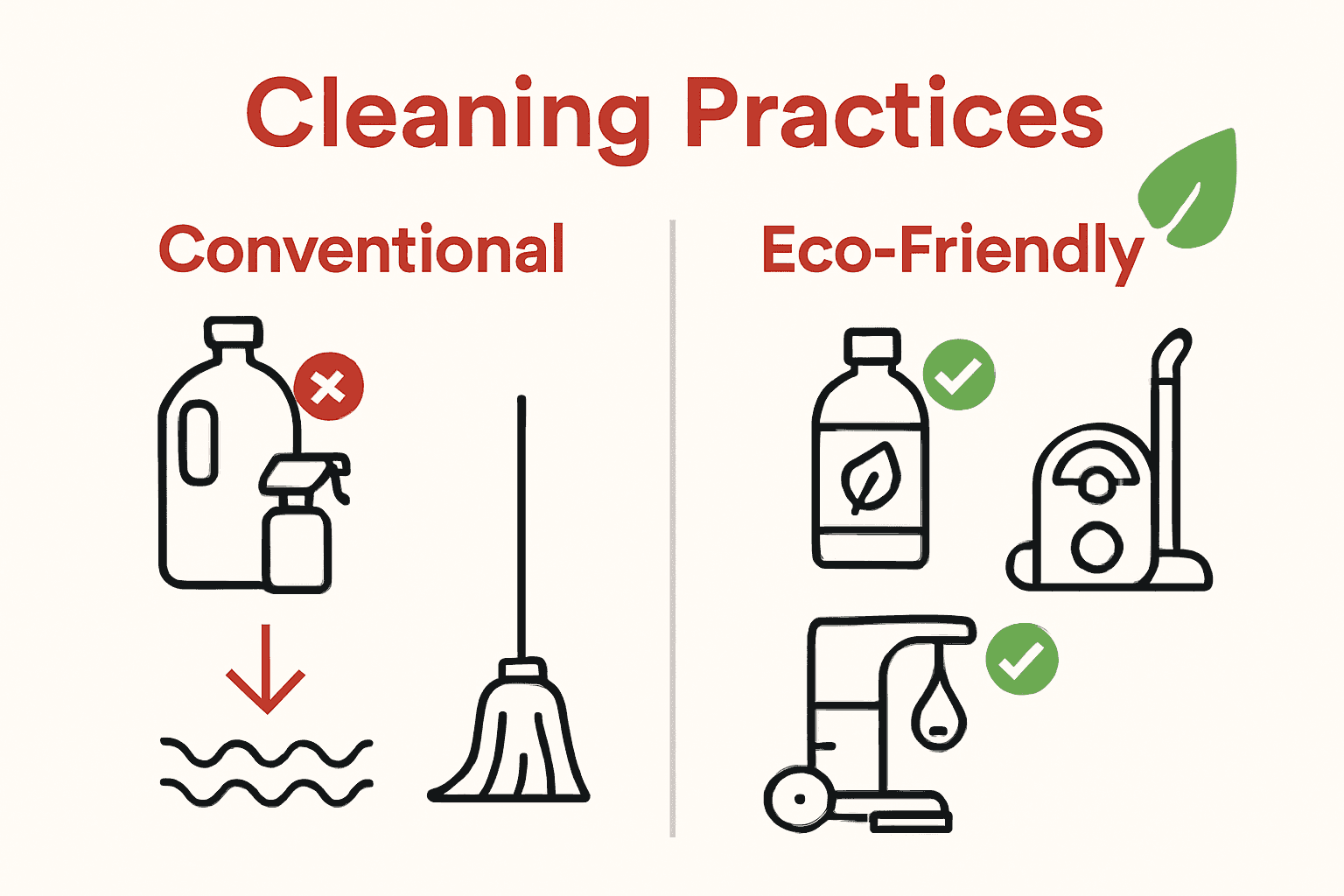
The commercial cleaning industry is undergoing a transformative shift towards more sustainable and environmentally conscious practices. According to Green Seal, modern cleaning services are now required to meet rigorous standards that go beyond traditional cleaning methods, focusing on creating safer, healthier environments for both cleaning teams and building occupants.
Eco-friendly cleaning practices encompass a comprehensive approach to environmental stewardship:
Sustainable Product Selection
- Biodegradable cleaning agents
- Low-chemical and non-toxic solutions
- Reduced packaging waste
- Environmentally certified products
Resource Conservation
- Water-efficient cleaning techniques
- Energy-saving equipment
- Reduced chemical consumption
- Minimized carbon footprint
Health-Conscious Strategies
- Allergen reduction
- Improved indoor air quality
- Minimized environmental health risks
- Occupant-safe cleaning protocols
Western Michigan University defines green cleaning as a holistic approach that protects health without harming the environment. This philosophy considers the comprehensive health, safety, and environmental risks associated with cleaning products and processes, ensuring that facility maintenance aligns with broader sustainability goals.
For businesses seeking to implement advanced green cleaning techniques, our special cleaning services provide innovative solutions that balance thorough cleaning with environmental responsibility.
Ultimately, eco-friendly commercial cleaning represents more than just a trend—it’s a critical commitment to protecting human health and preserving our environmental ecosystem.
Costs, Contracts, and Compliance Requirements
Navigating the financial and regulatory landscape of commercial cleaning requires careful understanding of multiple complex factors. Department of Revenue guidelines highlight that janitorial services encompass a broad range of activities, including cleaning interior and exterior window surfaces, floor waxing, wall and woodwork cleaning, rug and upholstery maintenance, dusting, and waste disposal.
Contract considerations for commercial cleaning services typically involve several critical components:
- Scope of Services
- Detailed cleaning specifications
- Frequency of service
- Areas to be cleaned
- Special requirements
- Pricing Structures
- Hourly rates
- Per-square-foot pricing
- Flat monthly fees
- Customized service packages
- Compliance Requirements
- Insurance documentation
- Worker safety protocols
- Background check certifications
- Environmental regulation adherence
OSHA maintains specific industry standards for cleaning services, emphasizing the importance of rigorous safety and operational guidelines. Businesses must adhere to the North American Industry Classification System (NAICS) code 561720 for janitorial services, which outlines comprehensive regulatory requirements.
For businesses seeking detailed insights into specialized cleaning service agreements, our special cleaning services provide comprehensive guidance on navigating contract complexities.
Successful commercial cleaning partnerships demand transparent communication, clearly defined expectations, and a mutual commitment to maintaining the highest standards of professional service and regulatory compliance.
Take Control of Your Commercial Cleaning Needs Today
Managing the complexities of commercial cleaning requires trusted expertise and a clear plan. If you are seeking reliable solutions for detailed cleaning workflows, environmentally responsible practices, and specialized services like carpet or area rug care, you are not alone. Cleaning challenges like maintaining high-touch surface sanitation and meeting regulatory compliance demand a professional approach tuned to your unique facility.
At Nu-England Services, we bring over 50 years of local experience to help you meet these demands with tailored cleaning strategies that protect your workspace and the planet. Whether you need expert Carpet Cleaning or meticulous Area Rug Cleaning, our family-owned business is committed to delivering thorough results with eco-conscious methods.

Don’t wait until cleanliness becomes a risk to your business health or image. Visit Nu-England Services now to request a free quote and partner with dedicated professionals who understand your commercial cleaning needs inside and out.
Frequently Asked Questions
What is the commercial cleaning process?
Commercial cleaning is a professional service focused on maintaining cleanliness and hygiene in various environments such as schools, hospitals, and offices. It involves specialized cleaning techniques, equipment, and adherence to health and safety standards.
What types of services are included in commercial cleaning?
Commercial cleaning services include office cleaning, industrial facility cleaning, and healthcare facility cleaning. Each type requires specific tasks, such as sanitization, hazardous waste management, and sterile environment maintenance.
What are the steps in a typical commercial cleaning workflow?
The typical workflow includes a pre-cleaning assessment, initial preparation (removing objects and setting up supplies), and a detailed cleaning process involving dusting, sanitizing high-touch surfaces, and vacuuming.
How do eco-friendly practices integrate into commercial cleaning?
Eco-friendly practices in commercial cleaning include the use of biodegradable cleaning agents, water-efficient techniques, and energy-saving equipment, all aimed at reducing environmental impact while ensuring cleanliness.
