
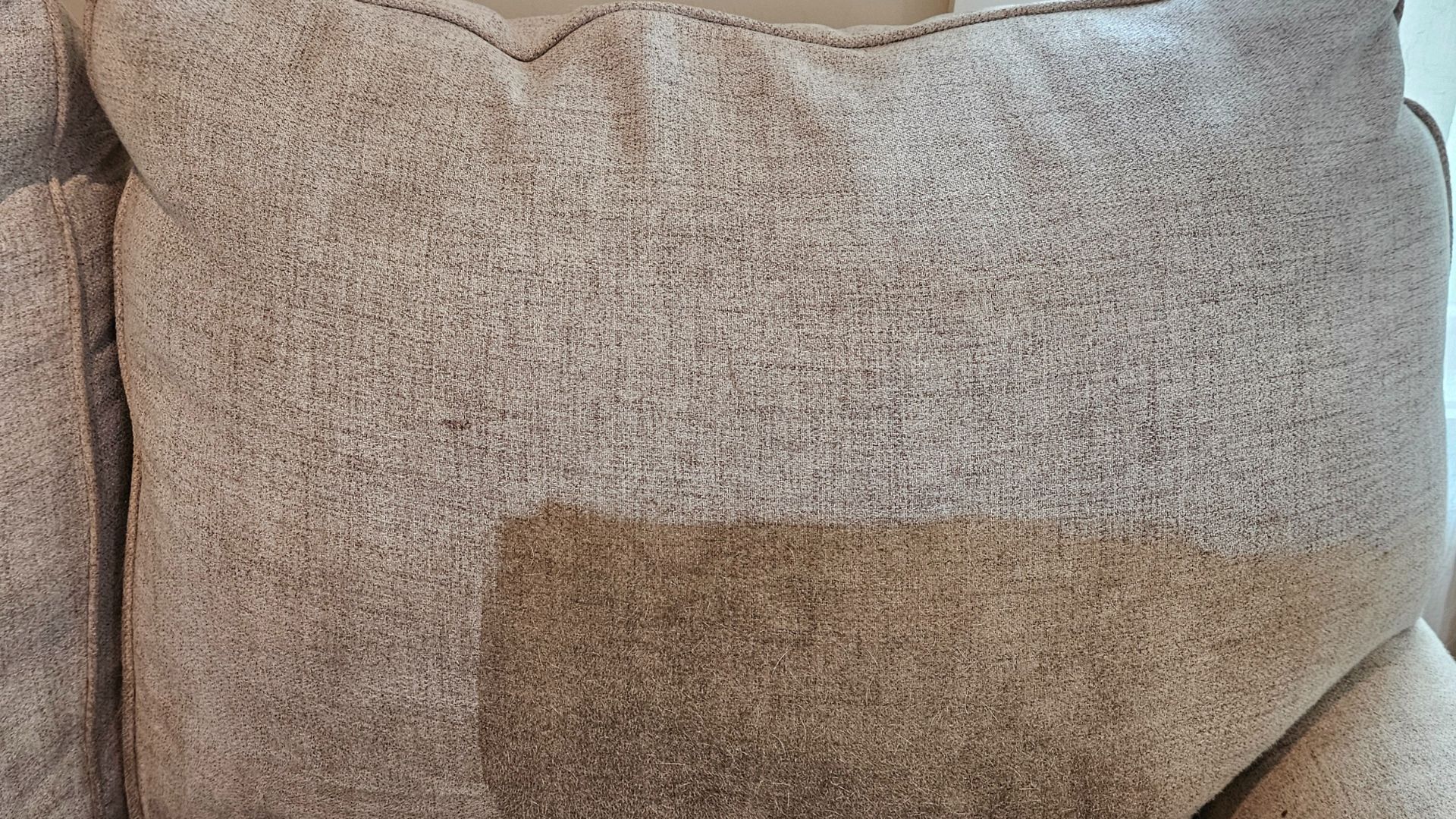
Every American household knows the challenge of keeping a sofa truly clean. Dust, pet hair, and allergens can build up faster than most people expect, with experts noting that over 80 percent of living room dust settles on upholstered furniture. Maintaining a spotless and healthy living space goes beyond just appearance. This guide lays out practical strategies to help you save time, protect your investment, and achieve lasting freshness for your American home.
Table of Contents: Essential Sofa Cleaning Tips
Quick Summary
| Key Message | Explanation |
| 1. Vacuum Your Sofa Weekly | Regular vacuuming removes dust and allergens, preserving your sofa’s appearance and extending its lifespan. |
| 2. Spot Clean Spills Immediately | Quick action with blots, not rubs, on spills prevents stains from setting and saves costly repairs. |
| 3. Use Appropriate Cleaning Products | Match cleaning solutions to your sofa’s fabric type to avoid damage and ensure effective cleaning results. |
| 4. Schedule Professional Cleanings Annually | Professional cleanings deeply remove dirt and allergens, maintaining your sofa’s integrity and improving air quality. |
| 5. Apply Fabric Protectors | Protectors repel stains and spills, prolonging your sofa’s life and minimizing maintenance efforts. |
1. Vacuum Your Sofa Regularly to Remove Dust
Keeping your sofa clean starts with one simple yet powerful habit: regular vacuuming. Dust, pet hair, and microscopic allergens accumulate quickly on upholstered furniture, making weekly cleaning not just a recommendation but a necessity for maintaining a healthy home environment.
Unlike other cleaning tasks, sofa vacuuming requires a strategic approach. Experts suggest vacuuming upholstered furniture at least once per week to control dust mites and preserve your furniture’s appearance. The key is using the right technique and vacuum attachments to prevent fabric damage while thoroughly removing debris.
Why Regular Vacuuming Matters:
- Removes accumulated dust and dirt
- Reduces allergen buildup
- Prevents fabric degradation
- Extends sofa’s overall lifespan
To vacuum effectively, start by selecting the appropriate attachment. Use the soft brush tool on most fabric surfaces, which gently lifts dirt without causing abrasion. Move the vacuum in multiple directions systematic grid pattern to ensure complete coverage. Pay extra attention to crevices, seams, and areas where cushions meet the sofa frame where dust tends to collect.
Pro tip: If your sofa has delicate or textured fabric, test the vacuum on a small hidden area first to ensure no damage occurs. For leather or specialized materials, consult manufacturer cleaning recommendations before vacuuming.
By dedicating just 10 minutes weekly to thorough sofa vacuuming, you will significantly improve your living space’s cleanliness and your furniture’s longevity.
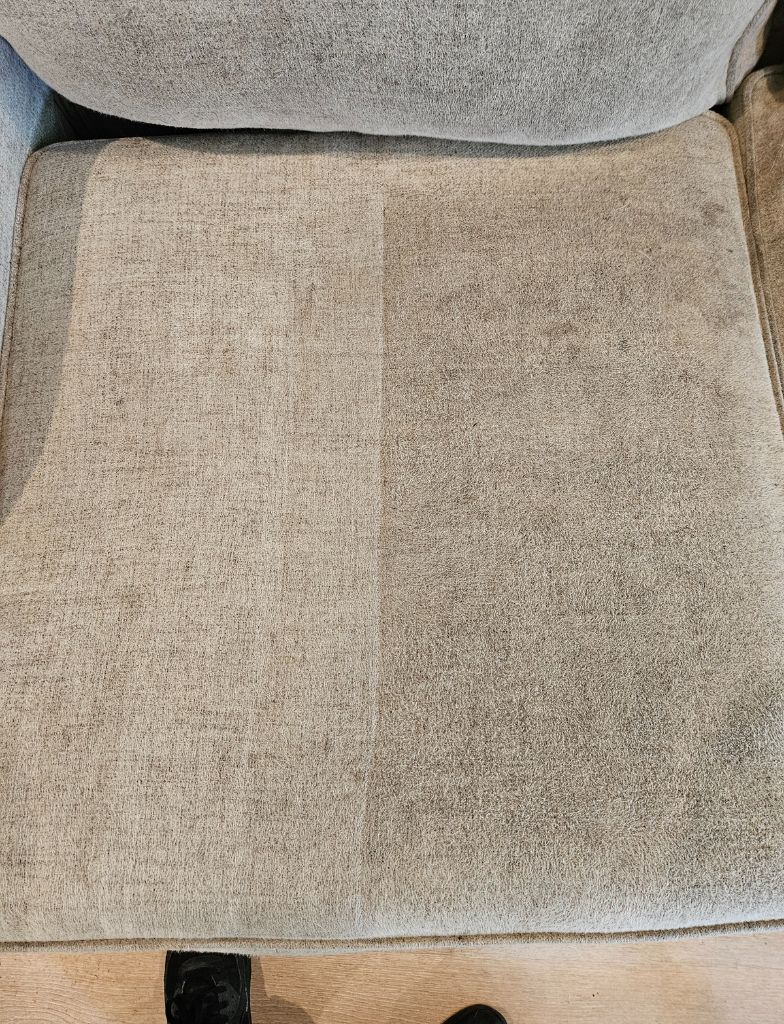
2. Spot Clean Spills Immediately for Best Results
Life happens and sofa spills are inevitable. The secret to preserving your furniture’s appearance lies in your immediate response when accidents occur.
Experts recommend addressing spills quickly by blotting with a clean cloth and using the right cleaning approach. Waiting even a few minutes can allow stains to set permanently, transforming a minor mishap into a costly furniture repair or replacement scenario.
Critical Spot Cleaning Steps:
- Identify the fabric’s cleaning code
- Use a clean white cloth
- Blot do not rub
- Select appropriate cleaning solution
- Work from outside of stain toward center
The technique matters as much as speed. Never rub a spill, which can spread the stain and damage fabric fibers. Instead, gently blot with an absorbent white cloth, working from the stain’s edges toward its center to prevent spreading.
Different fabrics require different approaches. Leather needs specialized cleaners while microfiber might respond well to rubbing alcohol. Always test your cleaning method on an inconspicuous area first to ensure no discoloration occurs.
Remember: your quick action can mean the difference between a temporary spill and a permanent stain. Treat your sofa like the investment it is and respond to accidents with care and immediacy.
3. Choose the Right Cleaning Products for Fabric Type
Not all sofa fabrics are created equal and using the wrong cleaning product can spell disaster for your beloved furniture. Understanding your sofa’s specific fabric requirements is the first line of defense against potential cleaning mishaps.
Different fabric types demand unique cleaning approaches based on their specific cleaning codes, which are typically found on manufacturer tags hidden underneath cushions or along seams. These codes provide critical guidance for selecting appropriate cleaning solutions.
Fabric Cleaning Code Breakdown:
- W Code: Water based cleaners safe
- S Code: Solvent based cleaners required
- WS Code: Both water and solvent cleaners acceptable
- X Code: Vacuum or brush only no liquid cleaning
Before applying any cleaning solution, always perform a spot test on a hidden area. This precautionary step prevents potential discoloration or fabric damage. Microfiber sofas typically require different treatments compared to leather or cotton blends.
Consider investing in a universal upholstery cleaner that works across multiple fabric types. Read labels carefully and match the product to your specific sofa material. Natural fiber sofas often need gentler treatments while synthetic materials might tolerate more robust cleaning approaches.
Remember: your sofa is an investment. Taking time to understand its specific cleaning requirements can extend its lifespan and keep it looking pristine for years to come.
4. Deep Clean Upholstery for a Fresh Start
Sofas accumulate more dirt and grime than most homeowners realize. Regular surface cleaning only tackles a fraction of the embedded debris that gradually degrades your furniture’s appearance and comfort.
Periodic professional cleaning is crucial for maintaining upholstered furniture and extending its overall lifespan. While routine vacuuming helps, deep cleaning reaches into fabric fibers where dust, allergens, and microscopic particles hide.
Deep Cleaning Frequency Guidelines:
- High traffic areas: Every 6 months
- Standard living rooms: Annually
- Low use spaces: Every 18 months
- Velvet or delicate fabrics: Professional cleaning recommended
Consider the unique characteristics of your sofa fabric. Leather requires different approaches compared to microfiber or cotton blends. Some materials are more delicate and demand specialized cleaning techniques to prevent damage.
For homeowners comfortable with DIY methods, rent professional grade steam cleaners or invest in upholstery specific cleaning machines. Always test cleaning solutions on hidden areas first to prevent unexpected discoloration or fabric damage.
Professional cleaning not only refreshes your sofa’s appearance but also eliminates bacteria, dust mites, and potential allergens. Think of it as a health investment for both your furniture and your home environment.

5. Tackle Odors with Simple Home Remedies
Sofas can trap odors like a sponge absorbing water an unwelcome reality for any homeowner. Fortunately, several household items can neutralize unpleasant smells without expensive cleaning solutions.
Baking soda offers a powerful yet simple approach to deodorizing upholstered furniture. Sprinkle a light layer across your sofa surface and let it sit for 30 minutes before vacuuming thoroughly. This method absorbs and neutralizes odors without harsh chemicals.
Natural Odor Elimination Strategies:
- Baking soda treatment
- White vinegar spray
- Fresh coffee grounds
- Activated charcoal
- Essential oil diffusion
- Sunlight and fresh air exposure
Prevent future odor buildup by establishing smart household habits. Avoid placing printed materials like magazines or newspapers directly on your sofa since ink can transfer and create unpleasant smells. Implement a no food or drink rule to minimize potential spills and subsequent odor development.
For stubborn smells, consider a mixture of white vinegar and water in a spray bottle. Lightly mist the fabric surface and allow it to air dry completely. The vinegar smell dissipates quickly while neutralizing deeper odors trapped in the upholstery.
Remember that consistent maintenance prevents odor accumulation. Regular vacuuming and prompt attention to spills are your best defense against persistent sofa smells.
6. Protect Your Sofa with Safe Covers or Sprays
Your sofa is more than furniture; it’s a centerpiece of home comfort and style. Protecting this investment requires strategic approaches that shield against everyday wear and potential damage.
Fabric protectors can dramatically extend your upholstery’s lifespan by repelling stains and spills before they become permanent problems. These protective solutions create an invisible barrier that prevents liquids from immediately penetrating fabric fibers.
Sofa Protection Strategies:
- Fabric protection sprays
- Washable furniture covers
- Waterproof throw blankets
- Scotchgard treatments
- Removable slipcovers
- Strategic furniture placement
When selecting a protective product, match it precisely to your sofa’s fabric type. Leather requires different treatments compared to cotton or microfiber. Always test protective sprays on a small hidden area first to ensure color and texture compatibility.
Consider removable covers for high traffic areas or homes with children and pets. These covers can be easily washed and replaced much more economically than reupholstering an entire sofa. Look for options with elastic edges for a snug fit that maintains your furniture’s original aesthetic.
Remember that protection is an ongoing process. Reapply fabric protectors annually and inspect your sofa regularly for signs of wear or potential damage.
7. Schedule Professional Sofa Cleaning Annually
Your sofa endures daily wear and tear that home cleaning simply cannot fully address. Professional cleaning goes beyond surface level maintenance to preserve your furniture’s integrity and appearance.
Periodic professional cleaning ensures thorough removal of embedded dirt and significantly extends furniture lifespan, making it a critical investment in your home’s comfort and aesthetics.
Professional Cleaning Benefits:
- Deep dirt and allergen removal
- Fabric restoration
- Stain prevention
- Color and texture preservation
- Extended furniture longevity
- Improved indoor air quality
Different fabric types demand unique professional cleaning approaches. Delicate materials like velvet require annual specialized treatment to maintain their original texture and appearance. High traffic sofas in homes with pets or children might need more frequent professional attention.
When scheduling professional cleaning, request a fabric assessment. Experienced technicians can recommend a customized cleaning strategy based on your specific upholstery type. Some services even offer protective treatments that can be applied after deep cleaning.
Consider professional cleaning an essential maintenance task. Just as you service your car or schedule medical checkups, your sofa needs regular professional care to remain in optimal condition.
Below is a comprehensive table summarizing effective sofa maintenance strategies discussed throughout the article.
| Strategy | Implementation | Benefits/Outcomes |
| Regular Vacuuming | Use appropriate attachments. Vacuum weekly using a systematic grid pattern. | Removes dust, reduces allergens, prevents fabric degradation. |
| Immediate Spot Cleaning | Blot spills with a clean cloth, use appropriate cleaning solutions. | Prevents stains, maintains appearance. |
| Right Cleaning Products | Follow fabric cleaning codes (W, S, WS, X), test solutions on hidden areas. | Protects fabric, extends lifespan. |
| Deep Cleaning | Professional cleaning every 6-18 months based on usage. | Removes embedded dirt, extends lifespan. |
| Odor Elimination | Use baking soda, vinegar spray, or natural remedies. | Neutralizes odors, maintains freshness. |
| Sofa Protection | Use fabric protectors, covers, or sprays. | Shields against stains, extends upholstery life. |
| Professional Cleaning | Annual professional service based on fabric type and usage. | Deep cleaning, removes allergens, enhances air quality. |
Protect and Revive Your Sofa with Expert Cleaning Solutions
Maintaining a clean and fresh sofa is essential to creating a comfortable home environment and preserving your furniture investment. The challenges of removing dust, handling spills promptly, and deep cleaning stubborn stains require both knowledge and the right tools. If you want to avoid permanent damage and keep your upholstery looking its best, professional care is the solution.
Discover how Nu-England Services can help you tackle these sofa cleaning challenges with eco-conscious, expert treatments tailored to your fabric type. Our family-owned company offers trusted solutions that extend your sofa’s lifespan and improve your indoor air quality.

Don’t let dust buildup or tough stains reduce your sofa’s comfort and appearance. Visit Nu-England Services today to request a free quote and experience the benefits of thorough, professional cleaning. Protect your home’s heart with cleaning you can trust.
Frequently Asked Questions
How often should I vacuum my sofa to maintain cleanliness?
Vacuum your sofa at least once a week to remove dust, pet hair, and allergens. Dedicate around 10 minutes to thoroughly cover all areas and prevent buildup.
What should I do immediately when a spill occurs on my sofa?
Blot the spill promptly with a clean, white cloth to absorb the liquid. Avoid rubbing, and instead, work from the outside of the stain toward the center to prevent spreading.
How can I determine which cleaning products are safe for my sofa fabric?
Check the cleaning code tag on your sofa to understand its specific cleaning requirements. Each code indicates whether to use water-based, solvent-based, or vacuum-only methods.
How often should I have my sofa professionally cleaned?
Schedule professional cleaning at least once a year, or every six months for high-traffic areas. This service helps remove embedded dirt and allergens, enhancing both the appearance and lifespan of your sofa.
What are effective home remedies for eliminating sofa odors?
Sprinkle baking soda over your sofa and let it sit for 30 minutes before vacuuming to neutralize odors. This simple treatment can help keep your furniture smelling fresh without harsh chemicals.
What protective measures can I take to extend my sofa’s lifespan?
Use fabric protection sprays or washable covers to safeguard against spills and stains. Reapply protective treatments annually to maintain the effectiveness of these safeguards.
