
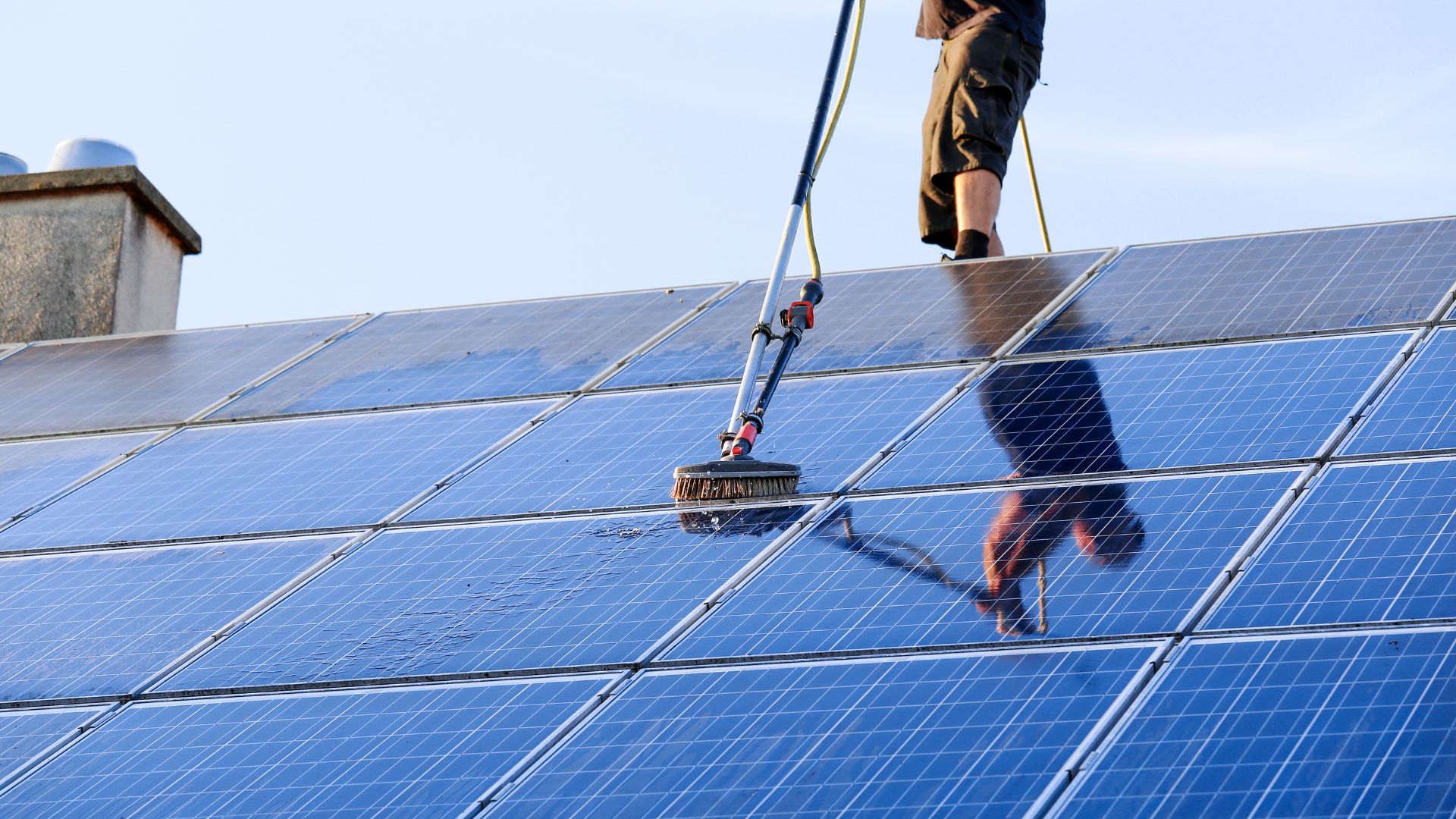
Finding a streak of dirt or a patch of pollen on your solar panels can be more than just an eyesore for homeowners in New England. Routine checks and eco-friendly cleaning practices are vital to keeping your solar energy system performing at its best, especially with fluctuating weather conditions unique to the region. Learn practical ways to protect your panels, prevent potential hazards, and get the most from your renewable energy investment while supporting your local environment.
Table of Contents
- Step 1: Assess Solar Panel Condition and Safety
- Step 2: Gather Eco-Friendly Cleaning Materials
- Step 3: Remove Loose Debris and Surface Dirt
- Step 4: Wash Panels With Gentle Methods
- Step 5: Inspect Results and Ensure Panel Function
Quick Summary
| Main Insight | Explanation |
|---|---|
| 1. Regularly Inspect Solar Panels | Consistent visual checks for physical damage are vital to maintain safety and performance. Check for cracks, discoloration, and secure mounts. |
| 2. Use Eco-Friendly Cleaning Supplies | Biodegradable cleaners and proper tools protect your solar panels and the environment. Avoid harsh chemicals and high-pressure washing. |
| 3. Clean Panels Gently and Thoroughly | Remove loose debris with soft brushes or water sprays before washing. Always use a mild soapy solution for effective cleaning without damage. |
| 4. Document Inspection Findings | Take photos and notes during inspections and cleaning. This helps track panel condition over time and facilitates professional evaluations. |
| 5. Monitor System Performance Regularly | After cleaning, verify that energy generation remains optimal. Use inverter data to ensure no performance decline occurs post-maintenance. |
Step 1: Assess Solar Panel Condition and Safety
Learning to assess your solar panel system’s safety and condition is critical for maintaining peak performance and preventing potential hazards. You will examine key structural, electrical, and physical aspects that could compromise your renewable energy investment.
Start by visually inspecting the entire solar array for signs of physical damage. Look closely for cracked glass panels, discoloration, water stains, or warping that might indicate underlying issues. Fire safety testing research highlights the importance of identifying potential risks early. Carefully check mounting brackets, ensuring they remain secure and show no signs of rust or structural weakness. Pay special attention to panel edges and connections, which can develop micro fractures over time.
Next, examine the electrical components systematically. Check junction boxes for signs of corrosion or heat damage. Inspect wiring for any exposed sections, fraying, or potential rodent damage. If you notice any loose connections or unusual discoloration around electrical components, this could signal potential safety risks. Comprehensive decommissioning guidelines recommend professional assessment if you are uncertain about the system’s electrical integrity.
Pro Tip: Always use a digital camera to document your inspection findings, creating a visual record that can help track changes and assist professionals if further evaluation is needed.
Here’s a summary of common solar panel inspection findings and their potential impact:
| Observation | Possible Cause | Impact on Performance |
|---|---|---|
| Cracked panel glass | Physical damage, weather | Reduced energy output |
| Discoloration or staining | Water or heat exposure | Impaired light absorption |
| Loose mounting brackets | Aging or poor installation | Structural instability |
| Corroded connections | Moisture, oxidation | Electrical safety risk |
| Micro fractures at edges | Stress or aging | Gradual efficiency loss |
Step 2: Gather Eco-Friendly Cleaning Materials
Preparing the right eco-friendly cleaning materials is essential for safely maintaining your solar panels without causing damage or environmental harm. Your goal is to collect supplies that will effectively remove dirt and debris while preserving both your solar investment and surrounding ecosystem.
Start by selecting gentle, biodegradable cleaning solutions specifically designed for solar panel maintenance. Sustainable cleaning technologies recommend minimizing water usage and avoiding harsh chemicals. An all-purpose environmentally friendly cleaner like Simple Green works well for most solar panel surfaces. You will need a soft microfiber cloth or nonabrasive sponge to prevent scratching delicate panel glass. Consider gathering a garden hose with a spray nozzle that provides gentle water pressure, allowing you to rinse panels without aggressive streaming.
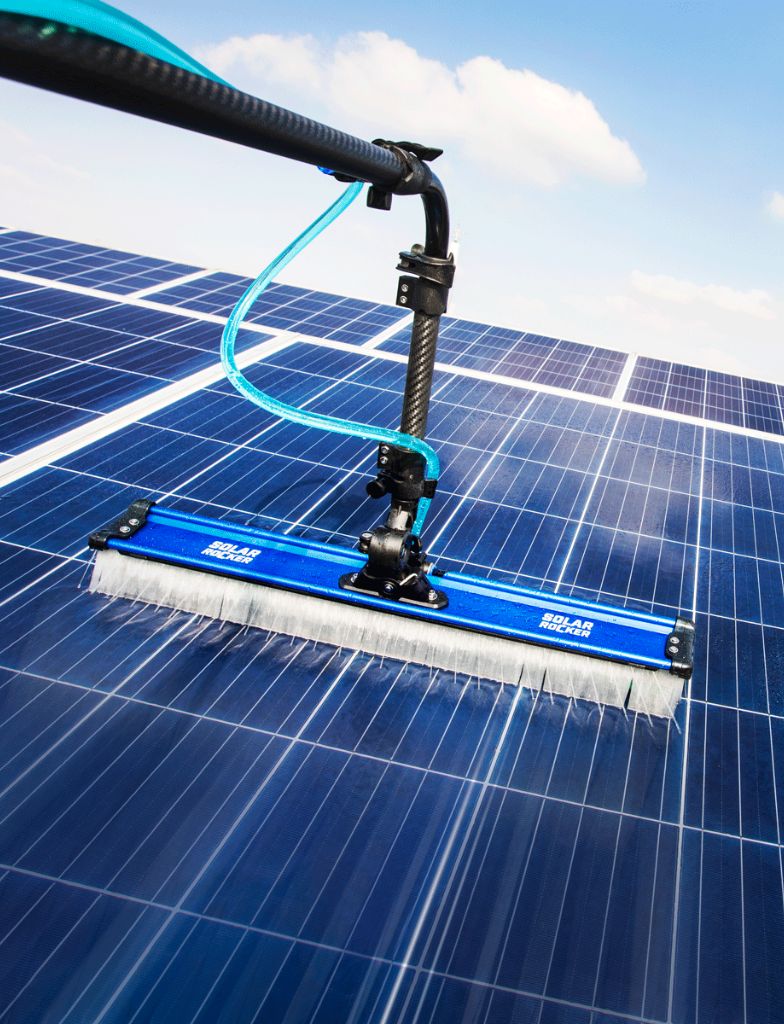
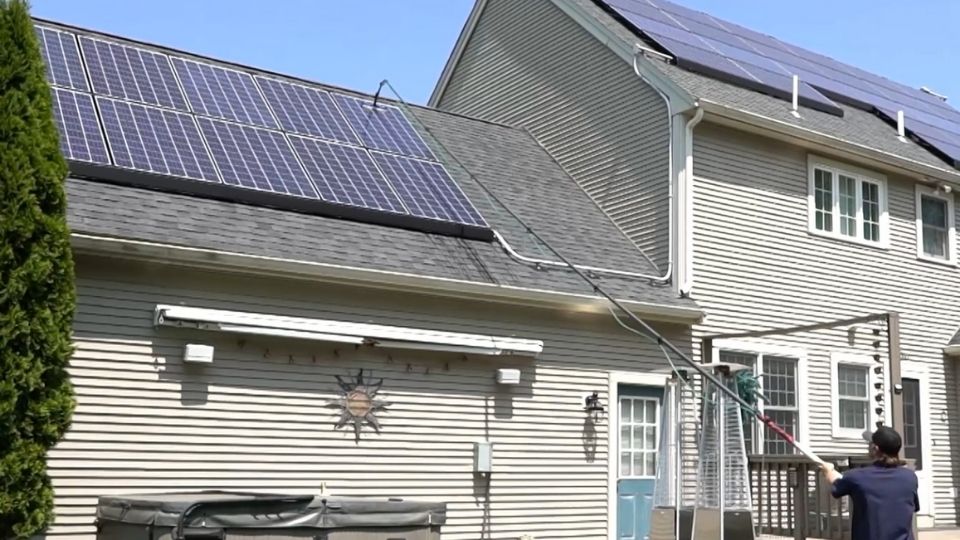
In addition to cleaning solutions, assemble some critical tools for safe panel maintenance. Select telescoping extension poles with soft cloth attachments for reaching higher panels without risking personal injury. Biodegradable cleaning methods emphasize using lightweight tools that minimize potential surface damage. Wear soft cotton gloves to protect panel surfaces and prevent oil transfer from your hands during cleaning. Have several clean microfiber towels ready for drying panels after washing to prevent water spot formation.
Pro Tip: Store your solar panel cleaning materials separately from household cleaning supplies to prevent cross contamination and accidentally using harsh chemicals that could damage sensitive photovoltaic surfaces.
Compare eco-friendly and conventional cleaning methods for solar panels:
| Method | Environmental Impact | Panel Safety | Typical Cost |
|---|---|---|---|
| Biodegradable solutions | Minimal, non-toxic | Preserves glass surface | Moderate |
| Conventional detergents | Possible pollution | May damage PV coating | Low |
| High-pressure washing | Water waste risk | Can crack glass panels | High |
| Soft microfiber cleaning | No harm | Protects panel surface | Low |
Step 3: Remove Loose Debris and Surface Dirt
Removing loose debris and surface dirt is a critical step in maintaining your solar panels optimum performance and efficiency. By carefully clearing away accumulated particles, you will help ensure maximum sunlight absorption and prevent potential long term damage.
Residential solar maintenance research suggests beginning with the gentlest approach possible. Start by using a soft brush or compressed air to dislodge loose dirt, pollen, leaves, and small debris without applying direct pressure to the panel surface. Work systematically across the panels moving from top to bottom, allowing gravity to help debris fall away naturally. Most surface dirt can be effectively removed through light brushing or natural rainfall, so avoid aggressive scrubbing techniques that might scratch delicate photovoltaic surfaces.
For more stubborn dirt patches, prepare a low pressure water spray that provides soft rinsing action. Technical cleaning approaches recommend pre cleaning techniques that mechanically dislodge grit before applying water. Use your garden hose with a gentle spray nozzle attachment, holding the nozzle at a consistent distance to prevent intense water streaming. Focus on broad sweeping motions that rinse dirt away without concentrating water pressure in one area. Pay special attention to corners and edges where debris tends to accumulate, ensuring a thorough but careful cleaning process.
Pro Tip: Clean your solar panels during early morning or late afternoon when panel surfaces are cooler to prevent rapid water evaporation and potential mineral deposit formation.
Step 4: Wash Panels With Gentle Methods
Cleaning your solar panels requires a delicate touch that balances thorough dirt removal with protecting the sensitive photovoltaic surface. Your goal is to wash away grime effectively without causing any damage that could compromise your solar investment.
Solar panel cleaning experts strongly advise against using high pressure washing techniques that could crack panel glass or compromise sealing. Instead, prepare a mild soapy solution using biodegradable detergent mixed with lukewarm water. Use a soft microfiber cloth or nonabrasive sponge to apply the solution gently across panel surfaces. Work in small sections using light circular motions, allowing the soap to lift dirt without applying excessive pressure. Ensure your cleaning cloth remains soft and clean to prevent accidentally scratching the panel surface.
Eco-friendly cleaning guidelines recommend letting the soapy solution sit briefly to help break down stubborn dirt before rinsing. Use a garden hose with a gentle spray nozzle to rinse panels thoroughly, maintaining a consistent low water pressure. Start from the top of the panel array and work downward, allowing dirty water to flow away naturally. Pay special attention to rinsing completely to prevent soap residue or water spots from forming. After rinsing, use a clean microfiber towel to carefully dry the panels, preventing mineral deposits from developing.
Pro Tip: Always check your solar panel manufacturer’s specific cleaning recommendations before washing to ensure you do not accidentally void your warranty.
Step 5: Inspect Results and Ensure Panel Function
After cleaning your solar panels, a thorough inspection is crucial to verify both the physical condition of your system and its ongoing performance. Your goal is to confirm that the cleaning process has not only improved appearance but maintained the panels electrical integrity and energy generation potential.
International solar maintenance guidelines recommend a systematic visual inspection focusing on several key areas. Carefully examine each panel for signs of damage such as hairline cracks, discoloration, or glass imperfections. Check mounting hardware to ensure all connections remain tight and secure. Look closely at electrical connections for any signs of corrosion or wear that might have been exposed during cleaning. Pay special attention to panel edges and corners where potential damage can hide.
Solar panel safety protocols suggest monitoring your system performance through your inverter or monitoring app to verify electrical output. Compare current energy generation with previous performance metrics to confirm the cleaning has not negatively impacted system efficiency. Take photographs of your inspection to document panel condition and create a visual maintenance record for future reference. If you notice any significant issues or performance drops, contact a professional solar technician for a comprehensive assessment.
Pro Tip: Create a digital spreadsheet to track each cleaning session, including date, observations, and performance metrics to help you identify patterns and potential maintenance needs.
Keep Your Solar Panels Shining and Efficient With Expert Care
Maintaining clean and safely inspected solar panels is vital to ensuring peak efficiency and protecting your investment. As the article outlines, challenges such as cracked glass, corroded connections, and surface dirt can all reduce your panels’ energy output and pose safety risks. Nu-England Services understands these pain points and offers professional solar panel cleaning and inspection services that use eco-friendly methods to safeguard your equipment and the environment.

Don’t let grime or hidden damage undercut your solar power’s potential. Visit Nu-England Services today to schedule your expert solar panel cleaning and thorough safety check. Benefit from decades of local experience, transparent pricing, and a commitment to customer satisfaction. Take action now to maximize your renewable energy output and protect your home or business with trusted professionals. Start by requesting a free quote at Nu-England Services and learn more about our comprehensive cleaning and restoration services.
Frequently Asked Questions
How often should I clean my solar panels for peak efficiency?
To maintain peak efficiency, clean your solar panels at least twice a year. Additionally, inspect them after significant weather events, like heavy rains or storms, to ensure they are free from debris.
What eco-friendly cleaning materials should I use for solar panels?
Use gentle, biodegradable cleaning solutions specifically designed for solar panel maintenance. Gather supplies like soft microfiber cloths and a garden hose with a gentle spray nozzle to avoid damaging the panels.
What is the best method to remove dirt and debris from solar panels?
Start by using a soft brush to loosen dirt and debris without applying pressure. For tougher spots, utilize low-pressure water from a hose to rinse off accumulated particles while preventing potential scratches.
Can I use high-pressure washing on my solar panels?
No, high-pressure washing can crack the glass and damage the panels. Instead, stick to low-pressure methods using biodegradable soap and soft cleaning materials to ensure safety and effectiveness.
How do I check the performance of my solar panels after cleaning?
Inspect the panels visually for any damage and monitor energy output through your inverter or monitoring app. Ensure performance is stable by comparing current generation levels to past metrics within a week after cleaning.
