
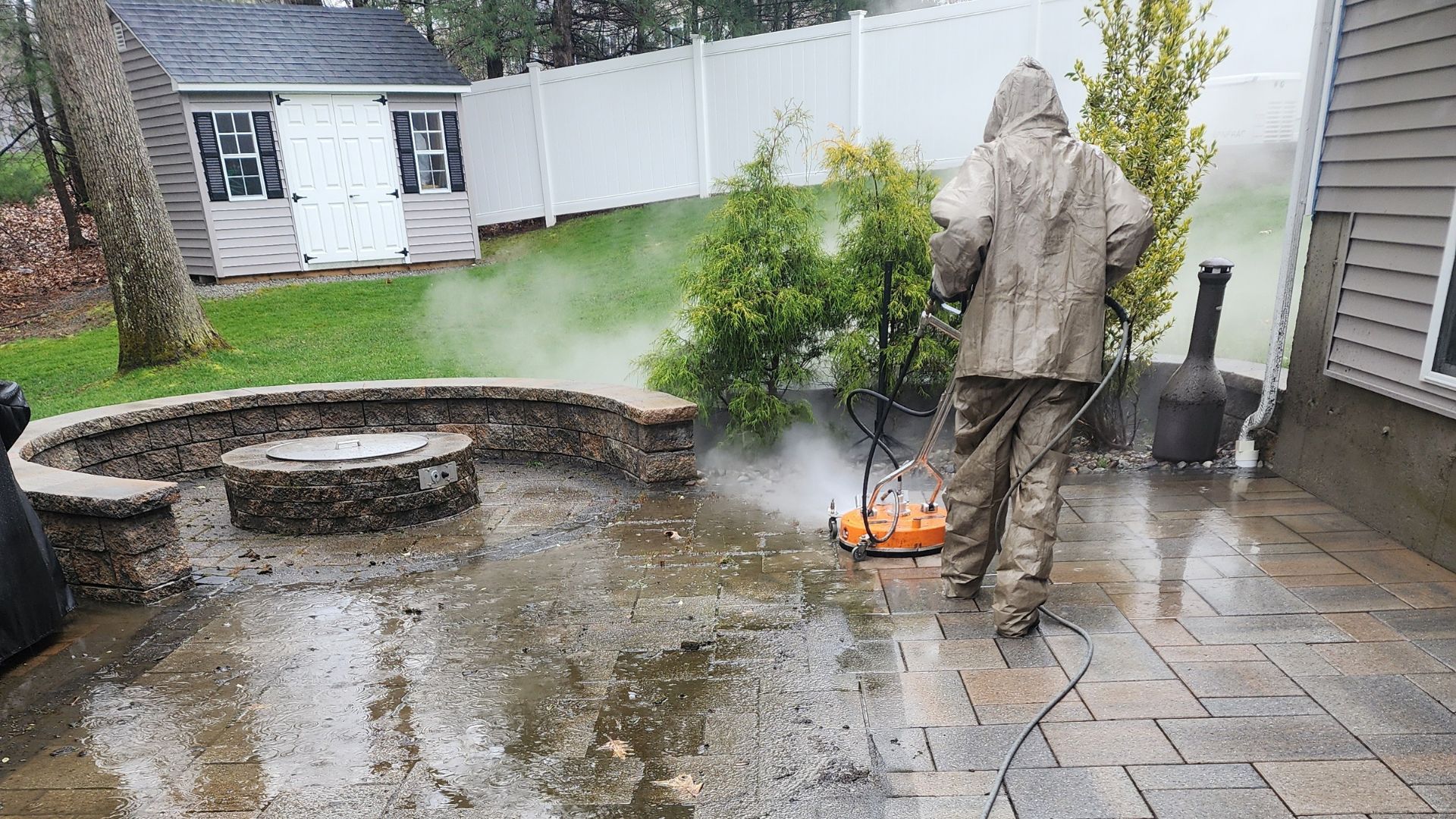
Every year, Americans spend over $14 billion on exterior cleaning, yet many overlook how much technique matters. Pressure washing stands out because it uses powerful water streams to wash away stubborn grime in ways ordinary cleaning cannot match. Whether you own a home or a large property, understanding how pressure washing works and the options available can help you achieve safer, longer-lasting results while protecting your investment.
Table of Contents: What is Pressure Washing?
Key Takeaways
| Point | Details |
|---|---|
| Pressure Washing Definition | Pressure washing utilizes high-pressure water streams for effectively removing contaminants from various surfaces, offering a superior cleaning method compared to traditional techniques. |
| Equipment Types | Pressure washing machines are categorized by their power source (electric or gas) and intended application, affecting their suitability for different cleaning tasks. |
| Professional vs. DIY | Opting for professional pressure washing services often yields better results due to advanced equipment and expertise, mitigating risks of surface damage associated with DIY attempts. |
| Safety and Environmental Considerations | Proper safety measures, eco-friendly practices, and adherence to legal regulations are crucial for responsible pressure washing operations, impacting both efficiency and environmental health. |
Defining Pressure Washing and Core Concepts
Pressure washing transforms surface cleaning by utilizing high-velocity water streams to remove dirt, grime, mold, and accumulated debris from various exterior surfaces. Unlike traditional cleaning methods, this technique leverages powerful water pressure to strip away stubborn contaminants quickly and efficiently.
According to the U.S. Forest Service, pressure washing equipment can be classified into multiple categories based on pressure ratings and application methods. These systems range from low-pressure residential units to high-intensity commercial grade machines capable of handling complex cleaning challenges.
Key characteristics of pressure washing include:
- Water pressure typically measured in pounds per square inch (PSI)
- Flow rates determining cleaning effectiveness
- Specialized nozzles enabling precision and targeted cleaning
- Adaptability across surfaces like concrete, wood, brick, and vinyl
The General Services Administration emphasizes that proper equipment selection and technique are critical. Different surfaces require specific pressure settings to prevent damage while ensuring thorough cleaning. Professional technicians understand these nuanced requirements, adjusting water pressure and selecting appropriate nozzles to match each unique cleaning scenario.
Understanding pressure washing goes beyond simply spraying water. It involves a sophisticated approach that considers surface material, contamination type, and desired restoration outcome. Whether addressing residential driveways, commercial building exteriors, or industrial equipment, pressure washing offers a powerful solution for comprehensive surface maintenance.
Types of Pressure Washing Methods and Equipment
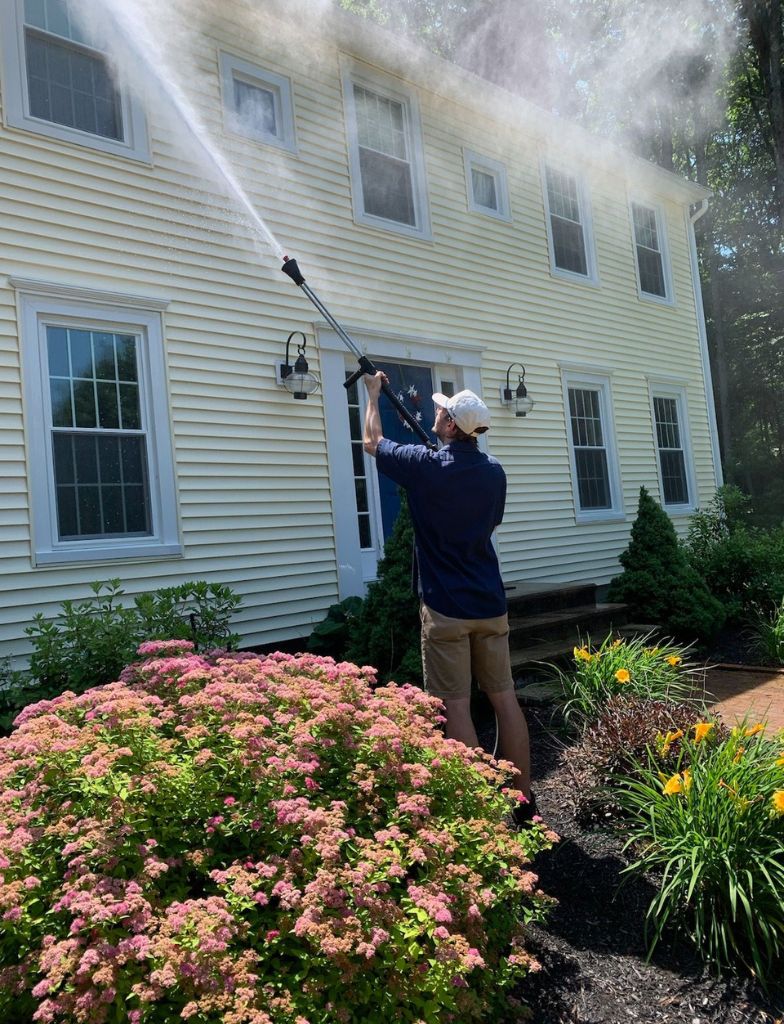
Pressure washing equipment represents a diverse range of cleaning technologies designed to tackle different surface challenges. According to Power Washers of North America, pressure washers can be categorized primarily by their power source and intended application, with critical distinctions between electric and gas-powered models.
Key pressure washing equipment types include:
- Electric Pressure Washers: Ideal for light residential tasks
- Gas-Powered Pressure Washers: Suitable for heavy-duty commercial and industrial applications
- Hot Water Pressure Washers: Designed for removing grease and oil-based contaminants
- Cold Water Pressure Washers: Best for general cleaning and surface preparation
The Fachverband industrielle Teilereinigung highlights that modern cleaning technologies extend beyond traditional water-based methods. While pressure washing remains fundamental, innovative techniques like laser cleaning are emerging for specialized applications.
Professional-grade pressure washing methods are distinguished by their technical specifications. Machines are typically rated by PSI (pounds per square inch) and GPM (gallons per minute), which determine their cleaning power and efficiency.
Lower PSI ranges work well for delicate surfaces like wooden decks, while high-intensity units can strip paint from industrial equipment or clean heavy machinery.
Choosing the right pressure washing method involves understanding surface material, contamination type, and desired restoration outcome. Professionals carefully match equipment specifications to specific cleaning requirements, ensuring optimal results without causing damage. This nuanced approach separates amateur attempts from professional-grade surface restoration services.
How Pressure Washing Works Step by Step
Pressure washing transforms surface cleaning through a sophisticated mechanical process that combines water volume, pressure, and targeted application. Consumer Reports explains that the fundamental mechanism involves water being forcefully expelled through a specialized nozzle, creating a high-velocity stream capable of dislodging dirt, grime, and contaminants.
Step-by-step pressure washing process:
- Water Source Connection
- Connect water supply to pressure washer
- Ensure adequate water flow and pressure
- Check water filter and inlet screens
- Equipment Preparation
- Select appropriate nozzle for surface type
- Adjust pressure settings
- Wear protective gear (safety glasses, closed-toe shoes)
- Surface Assessment
- Inspect area for delicate surfaces
- Remove loose debris
- Identify potential damage risks
According to the House Painting Guide, proper nozzle selection is critical. Different nozzle angles determine spray pattern and intensity, ranging from narrow, high-pressure streams for tough grime to wider, gentler sprays for sensitive surfaces.
The cleaning process involves strategically manipulating water pressure and flow. Professionals maintain consistent distance and angle, typically 12-18 inches from the surface, moving in smooth, overlapping motions. This technique ensures uniform cleaning while preventing potential surface damage. Varying pressure and selecting specialized detergents further enhance the cleaning efficacy, allowing targeted removal of specific contaminants like mold, algae, or industrial residues.
Understanding the intricate mechanics of pressure washing goes beyond simply spraying water. It requires technical knowledge, precise equipment handling, and a nuanced approach to surface restoration.
Whether addressing residential driveways, commercial building exteriors, or industrial equipment, mastering these step-by-step techniques separates professional-grade cleaning from amateur attempts.
Residential and Commercial Use Cases
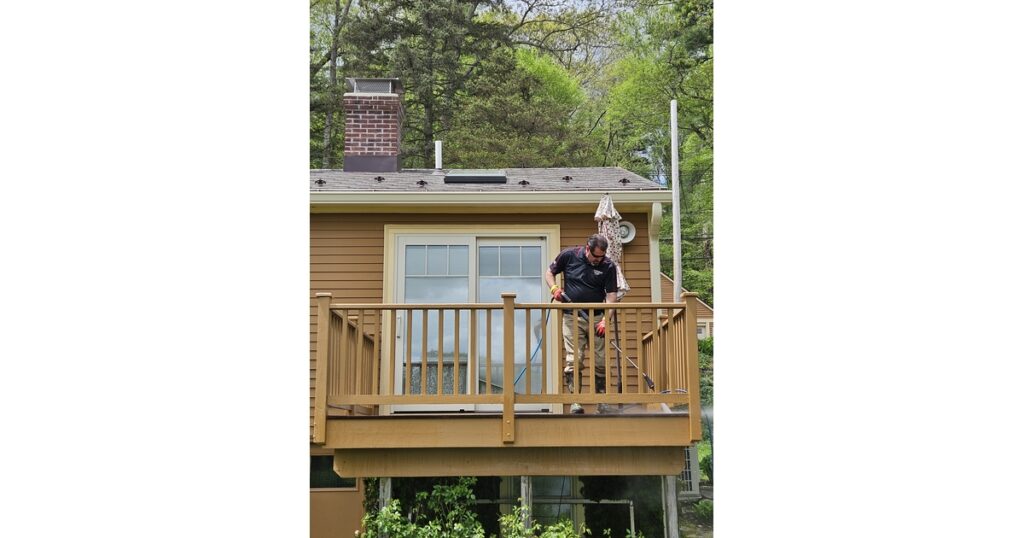
Pressure washing demonstrates remarkable versatility across residential and commercial applications, transforming surface maintenance strategies. The Arizona Farm Bureau highlights the expansive range of potential uses, from routine home maintenance to specialized industrial cleaning tasks.
Residential Use Cases:
- Deck and patio cleaning
- Exterior house siding restoration
- Driveway and walkway maintenance
- Vehicle and outdoor furniture cleaning
- Fence and pool area preservation
Commercial and Industrial Applications:
- Parking lot and warehouse floor cleaning
- Fleet vehicle maintenance
- Construction site cleanup
- Graffiti and paint removal
- Industrial equipment decontamination
According to The Environmental Blog, different pressure washing techniques address specific cleaning challenges. Residential applications typically require lower-pressure settings to prevent surface damage, while commercial operations often demand high-intensity cleaning to remove stubborn industrial grime and contaminants.
Professional pressure washing services bridge the gap between basic cleaning and comprehensive surface restoration. In residential settings, this means revitalizing weathered exteriors, removing years of accumulated dirt, and preparing surfaces for painting or maintenance. For commercial clients, pressure washing becomes a critical maintenance strategy that extends equipment life, ensures workplace safety, and maintains professional aesthetic standards.
The true power of pressure washing lies in its adaptability. Whether addressing a homeowner’s moss-covered deck or an industrial facility’s oil-stained concrete, these services offer a precision cleaning solution that goes far beyond traditional cleaning methods. Professionals understand how to modulate pressure, select appropriate cleaning agents, and target specific contaminants, making pressure washing an indispensable maintenance tool across diverse environments.
Safety, Environmental, and Legal Considerations
Pressure washing involves complex safety, environmental, and legal considerations that extend far beyond simple surface cleaning. Massachusetts Government guidelines emphasize the critical importance of understanding regulatory requirements and potential environmental impacts associated with professional cleaning services.
Key Safety Considerations:
- Proper protective equipment usage
- Electrical safety around water
- Maintaining safe operational distances
- Understanding equipment pressure limits
- Preventing potential surface damage
Environmental Protection Protocols:
- Preventing chemical runoff
- Using biodegradable cleaning agents
- Managing wastewater disposal
- Protecting local ecosystems
- Minimizing water consumption
According to Shark Pressure Washing, modern pressure washing services increasingly prioritize eco-friendly practices. This involves selecting biodegradable detergents, implementing water reclamation techniques, and developing comprehensive waste management strategies that minimize environmental contamination.
Legal considerations encompass multiple dimensions, including property damage prevention, compliance with local environmental regulations, and maintaining appropriate insurance coverage. Professional pressure washing companies must navigate complex requirements related to wastewater management, chemical usage, and potential environmental impact. Municipalities often have specific ordinances governing outdoor cleaning activities, particularly in environmentally sensitive areas.
Ultimately, responsible pressure washing goes beyond technical proficiency. It requires a holistic approach that balances effective cleaning, environmental stewardship, workplace safety, and legal compliance. Professionals must continuously educate themselves on evolving regulations, invest in sustainable technologies, and demonstrate a commitment to protecting both property and surrounding ecosystems.
Professional vs. DIY Pressure Washing Compared
Pressure washing presents a complex decision between professional services and do-it-yourself approaches, with significant implications for both residential and commercial property maintenance. Consumer Reports highlights the critical differences that can impact cleaning effectiveness, safety, and long-term surface preservation.
DIY Pressure Washing Considerations:
- Initial equipment investment
- Learning proper technique
- Risk of surface damage
- Limited access to professional-grade equipment
- Time-consuming process
Professional Pressure Washing Advantages:
- Advanced equipment and techniques
- Comprehensive surface assessment
- Specialized cleaning solutions
- Guaranteed results
- Reduced personal risk
According to the House Painting Guide, DIY enthusiasts must navigate complex challenges, including selecting appropriate pressure settings, understanding surface vulnerabilities, and managing potential equipment complications. Professionals bring expertise that goes beyond simple water application, offering nuanced cleaning strategies tailored to specific surface materials.
Financial considerations extend beyond immediate costs. While DIY might seem less expensive initially, potential surface damage can lead to significant repair expenses. Explore our special cleaning services in Massachusetts to understand how professional expertise can prevent costly mistakes and deliver superior results. Professional services provide comprehensive solutions that protect your property’s long-term value, combining technical skill with specialized equipment and comprehensive understanding of surface maintenance.
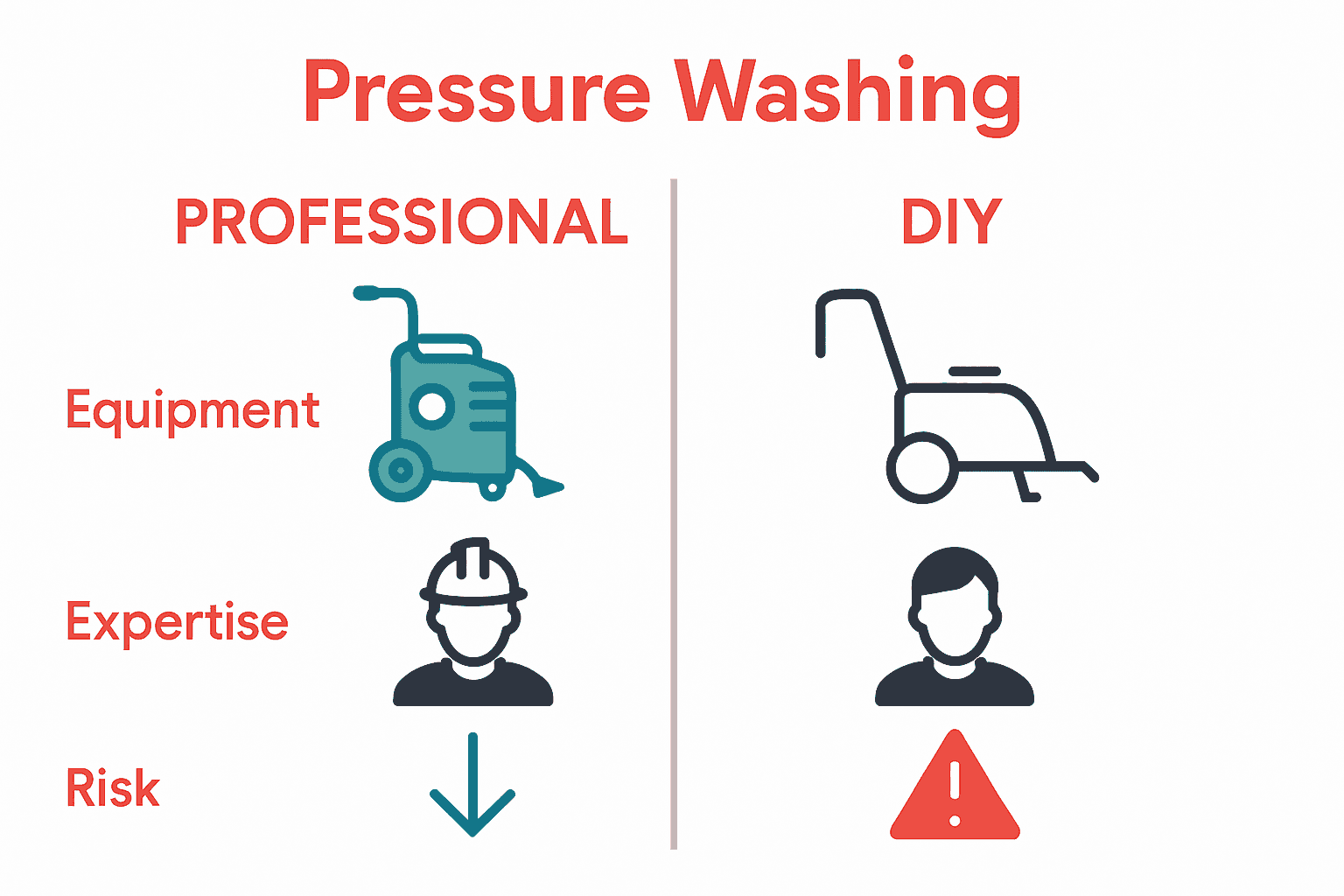
Ultimately, the choice between professional and DIY pressure washing depends on individual circumstances. Complex surfaces, large areas, or delicate materials strongly favor professional intervention. Homeowners and property managers must carefully weigh technical complexity, potential risks, and desired outcomes when deciding between a hands-on approach and professional expertise.
Discover Expert Pressure Washing Solutions Tailored For You
Pressure washing can be a powerful tool to restore and maintain your property’s appearance but it comes with challenges like selecting the right pressure, protecting delicate surfaces, and ensuring eco-friendly practices. If you are concerned about potential damage or unsure how to safely eliminate stubborn grime, mold, or industrial contaminants, you are not alone. The right equipment, precise technique, and environmental care make all the difference in achieving lasting results without risk.
At Nu-England Services, a family-owned company with a legacy dating back to 1968, we understand these concerns deeply. Our professional pressure washing services blend advanced technology with expert knowledge of surface types and contamination to deliver thorough, damage-free cleaning for both residential and commercial properties. We prioritize environmentally responsible methods, using biodegradable products and sustainable water management to protect surrounding ecosystems while enhancing your property’s curb appeal.
Take the first step toward revitalizing your home or business today with our trusted, eco-conscious pressure washing solutions.

Ready to experience the difference professional pressure washing can make? Get your free quote now at Nu-England Services and explore how our specialty cleaning services can restore and protect your property with precision and care.
Frequently Asked Questions
What is pressure washing and how does it work?
Pressure washing uses high-pressure water streams to clean exterior surfaces. The process involves connecting a water source to a pressure washer, selecting the appropriate nozzle, and applying targeted water pressure to dislodge dirt, grime, and contaminants from various surfaces.
What are the different types of pressure washing equipment?
Pressure washing equipment can be categorized into electric pressure washers, gas-powered models, hot water units, and cold water pressure washers. Each type serves different applications, with gas-powered models being suitable for heavy-duty tasks, while electric ones are ideal for light residential cleaning.
Is it better to hire a professional pressure washing service or do it myself?
Hiring a professional pressure washing service often yields better results due to their advanced equipment, expertise in surface assessment, and specialized cleaning techniques. DIY pressure washing can carry risks of surface damage and may require significant learning and equipment investment.
What safety and environmental considerations should I be aware of when pressure washing?
Safety considerations include using protective gear, maintaining operation distances, and understanding equipment limits to prevent injuries. Environmentally, it’s important to use biodegradable detergents, manage wastewater responsibly, and prevent chemical runoff to protect local ecosystems.
