
TL;DR:
- Choosing a thicker overall plank does not guarantee better surface protection; instead, focus on the wear layer thickness.
- A high-quality wear layer in mils is vital for resisting scratches, stains, and daily wear, especially in high-traffic households.
When you’re shopping for luxury vinyl tile or plank flooring in New England, it’s easy to assume that a thicker plank means a tougher floor. That’s one of the most common misconceptions we hear from homeowners. The truth is that overall plank thickness affects rigidity and comfort underfoot but does nothing to protect your floor’s surface from scratches, stains, and daily wear. The real hero is the wear layer, and understanding it will save you from an expensive mistake.
Table of Contents
Key Takeaways
| Point | Details |
|---|---|
| Wear layer is key | The wear layer, not total plank thickness, determines how well luxury vinyl floors resist scratches, stains, and daily wear. |
| Thicker means longer life | Floors with a 20 mil wear layer last significantly longer and are recommended for high-traffic or pet homes. |
| Plank thickness affects feel | Overall plank thickness impacts comfort and subfloor coverage, but does not increase surface durability. |
| Choose wisely for each room | Match wear layer thickness to the expected traffic and use for every space in your home. |
| Coatings offer extra defense | Micro-scratch resistant coatings can further protect luxury vinyl plank floors and keep them looking newer. |
What is a wear layer and why does it matter?
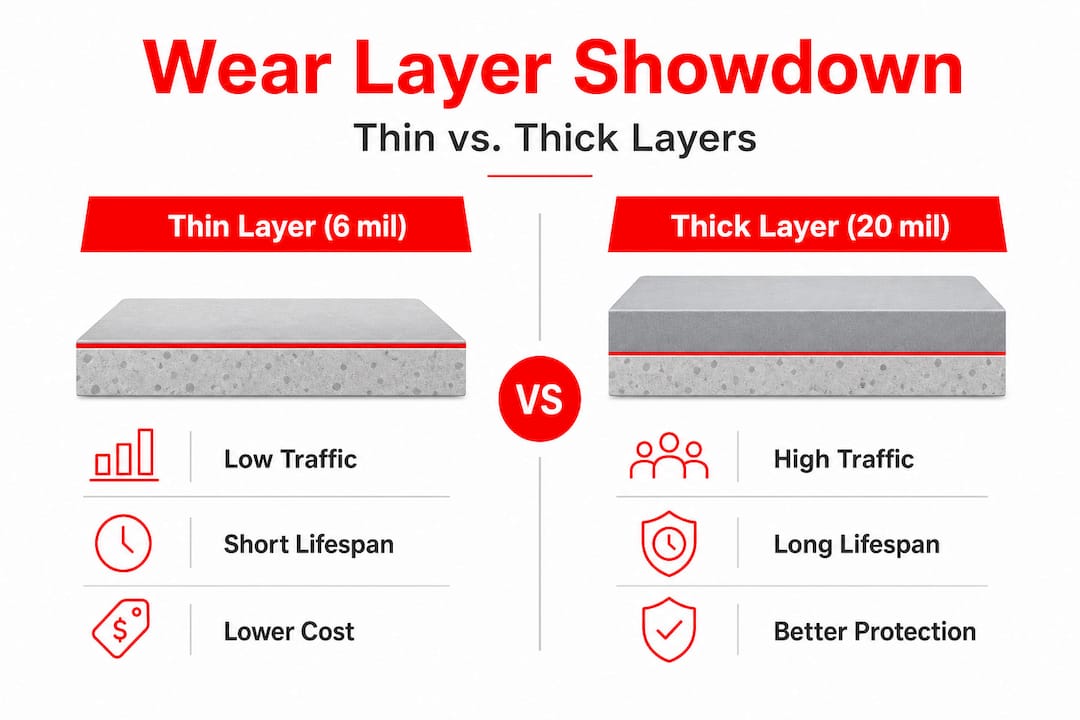
Think of a luxury vinyl plank like a sandwich. The bottom layers provide structure, cushion, and stability. But the very top layer, a clear protective coating bonded to the surface, is what stands between your beautiful floor and everything your household throws at it. That top layer is the wear layer, and it is measured in mils. One mil equals one thousandth of an inch.
The wear layer does three critical jobs. First, it resists scratches from furniture legs, pet claws, and grit tracked in on shoes. Second, it repels stains from spills, making cleanup fast and easy. Third, it protects the printed design layer underneath, which is what gives your floor its wood or stone appearance. Once the wear layer is gone, that design layer is exposed and the floor is essentially finished.
A thinner plank with a thick wear layer will outperform a thicker plank with a thin wear layer every single time. Total plank thickness is about feel and subfloor bridging, not surface protection. (source)
Here’s how the most common wear layer thicknesses break down:
| Wear layer thickness | Best use case | Expected durability |
|---|---|---|
| 6 mil | Low-traffic bedrooms, guest rooms | Light residential use |
| 12 mil | Standard residential rooms | Moderate residential use |
| 20 mil | Kitchens, hallways, pet households | Heavy residential or light commercial |
| 28 mil+ | Commercial spaces, extreme traffic | Commercial grade |
Most big-box store products sit at 6 or 8 mil. That’s fine for a spare bedroom nobody uses. But for a kitchen in a busy New England home where muddy boots come through the door from October to April? You need more protection.
Key things the wear layer protects against:
- Scratches from pet nails and furniture
- Scuffs from shoes and foot traffic
- Staining from food, beverages, and cleaning products
- UV fading in sun-exposed rooms
- Moisture damage to the decorative layer
Pro Tip: When reading product specs, look specifically for the wear layer thickness listed in mils, not the overall plank thickness in millimeters. These are two completely different measurements, and confusing them is the most common shopping mistake homeowners make.
Our luxury vinyl flooring guide covers the full product landscape if you want to explore options before making any decisions.
How wear layer thickness affects durability
With a clear sense of what a wear layer is, the next question is how thickness affects your floor’s everyday performance. The short answer: dramatically. The difference between a 6 mil and a 20 mil wear layer isn’t just a number on a spec sheet. It translates directly into how many years your floor looks good and holds up under real conditions.
Here’s what happens as a wear layer gradually wears down over time:
- Micro-scratches appear first. Even before you notice serious damage, tiny scratches accumulate from grit and dust. These make the floor look dull rather than shiny.
- The protective coating thins unevenly. High-traffic paths, like the route from the front door to the kitchen, wear faster than corners and edges.
- Staining becomes harder to prevent. As the protective layer thins, spills start to penetrate more easily.
- The design layer becomes vulnerable. Once the wear layer is fully compromised, the printed pattern underneath starts to show wear, discoloration, and damage.
- Replacement becomes necessary. Unlike hardwood, luxury vinyl cannot be sanded and refinished. When the wear layer is gone, the floor must come out.
A 20 mil wear layer can last two to three times longer than a 6 mil layer under identical conditions. In high-traffic or pet homes, a 20 mil minimum prevents early wear-through, while thin 6 mil layers fail quickly under grit and shoe traffic. That’s not a small difference when you’re talking about a floor that costs thousands of dollars to install.
One factor many homeowners overlook is the micro-scratch resistant coating applied on top of the wear layer itself. This is an additional treatment, sometimes called a ceramic bead coating or aluminum oxide finish, that adds another level of protection against the fine scratches that make floors look aged. Not every product has this coating, and it’s worth asking about specifically when comparing options.
For families with dogs, cats, or kids who wear shoes inside, the calculus is simple: spend more upfront on a thicker wear layer and save yourself a full floor replacement in five years. Our team at Nu-England Services sees this scenario play out regularly during vinyl flooring installation consultations across Massachusetts.
The flooring durability conversation also depends on your subfloor condition, but that’s a separate topic from wear layer performance.
Selecting the right wear layer and plank for your space
Once you know how thickness impacts durability, you’ll want to match the right wear layer to your specific home and lifestyle needs. This isn’t one-size-fits-all. A 20 mil floor in a guest bedroom is overkill. A 6 mil floor in a mudroom is a disaster waiting to happen.
Use this checklist when evaluating your options:
- Identify traffic patterns. Walk through your home and note which rooms see the most foot traffic daily.
- Count the pets. Each dog or cat adds meaningful wear to any floor surface, especially in feeding areas and near entryways.
- Consider footwear habits. Shoes worn inside dramatically accelerate wear layer breakdown compared to sock-only households.
- Check subfloor condition. A thicker overall plank (6mm to 8mm total) bridges minor subfloor imperfections better, but this is separate from wear layer choice.
- Factor in sunlight exposure. South-facing rooms in New England get significant winter sun. UV protection in the wear layer matters here.
- Set a realistic budget. Higher mil wear layers cost more per square foot, but the math usually favors the investment.
Here’s a practical room-by-room guide:
| Room | Recommended wear layer | Notes |
|---|---|---|
| Master bedroom | 6 to 12 mil | Low traffic, minimal shoe use |
| Guest bedroom | 6 mil | Very low traffic |
| Living room | 12 to 20 mil | Moderate traffic, furniture movement |
| Kitchen | 20 mil minimum | High traffic, spills, pet feeding zones |
| Hallway or entryway | 20 mil minimum | Peak traffic, outdoor grit |
| Basement | 12 to 20 mil | Moisture concerns, variable traffic |
Remember that overall plank thickness affects rigidity and subfloor bridging but does not determine surface durability. A 4mm plank with a 20 mil wear layer will protect your surface better than an 8mm plank with a 6 mil wear layer. Don’t let a salesperson convince you otherwise.
Marketing language can be misleading. Terms like “commercial grade” or “heavy duty” don’t always mean thick wear layers. Always ask for the actual mil specification in writing before purchasing. In high-traffic settings, a 20 mil minimum is the industry standard for preventing premature failure.
Pro Tip: Ask your flooring supplier for the product’s technical data sheet, not just the marketing brochure. The data sheet will list the exact wear layer thickness in mils, the coating type, and the warranty terms. If a supplier can’t provide this, walk away.
Our flooring installation advice pages go deeper on product selection if you want more detail before committing to a purchase. And once your floor is installed, following proper floor maintenance tips will extend the life of even a modest wear layer significantly.
Real-world scenarios: Floor performance in New England homes
Let’s ground all this advice with real-world examples of how luxury vinyl flooring holds up in various New England households. These aren’t hypothetical situations. They reflect the kinds of homes and challenges we see throughout Massachusetts and the broader region.
The busy family home in Worcester. Two adults, three kids, and a golden retriever. The entryway, kitchen, and hallway see constant traffic from October through May, including wet boots, backpacks dropped on the floor, and a dog that skids around every corner. This household needs 20 mil minimum throughout the main living areas. Anything less will show visible wear within two to three years.
The retired couple in coastal Maine. Two adults, no pets, shoes off at the door. They want the look of wide-plank hardwood without the maintenance headaches. A 12 mil wear layer is perfectly adequate here. The bigger concern is UV exposure from ocean-facing windows, so a wear layer with strong UV inhibitors is worth prioritizing.
The home office in a Boston suburb. One adult works from home full-time. Rolling office chair traffic is the main concern. This is actually harder on floors than most people realize. Rolling casters concentrate weight on small contact points repeatedly in the same spots. A 20 mil wear layer with a hard surface coating handles this well. A 6 mil layer will show chair track marks within months.
The rental property in Providence. Tenant turnover, unknown traffic levels, and minimal maintenance between leases. This is a strong case for 20 mil or higher. The upfront cost difference is modest compared to the cost of replacing floors between tenants.
Common mistakes New England homeowners make when selecting luxury vinyl flooring:
- Choosing overall plank thickness as the primary durability indicator
- Buying 6 mil floors for kitchens or entryways to save money upfront
- Ignoring coating type and assuming all wear layers perform equally
- Skipping the technical data sheet and relying only on marketing claims
- Underestimating pet traffic, especially in multi-pet households
For high-traffic New England homes, 20 mil wear layer minimum is the threshold that separates floors that last a decade from floors that need replacing in three to five years. Coatings matter too, especially for micro-scratch resistance in active households.
Our luxury vinyl flooring advice section walks through product categories in more detail. And if you manage a commercial property or rental building, our commercial floor care features content covers higher-demand scenarios.
The surprising truth most contractors won’t tell you about wear layers
Here’s something we’ve learned after decades of installing and maintaining floors across New England: the flooring industry has a quiet incentive to keep you focused on overall plank thickness rather than wear layers.
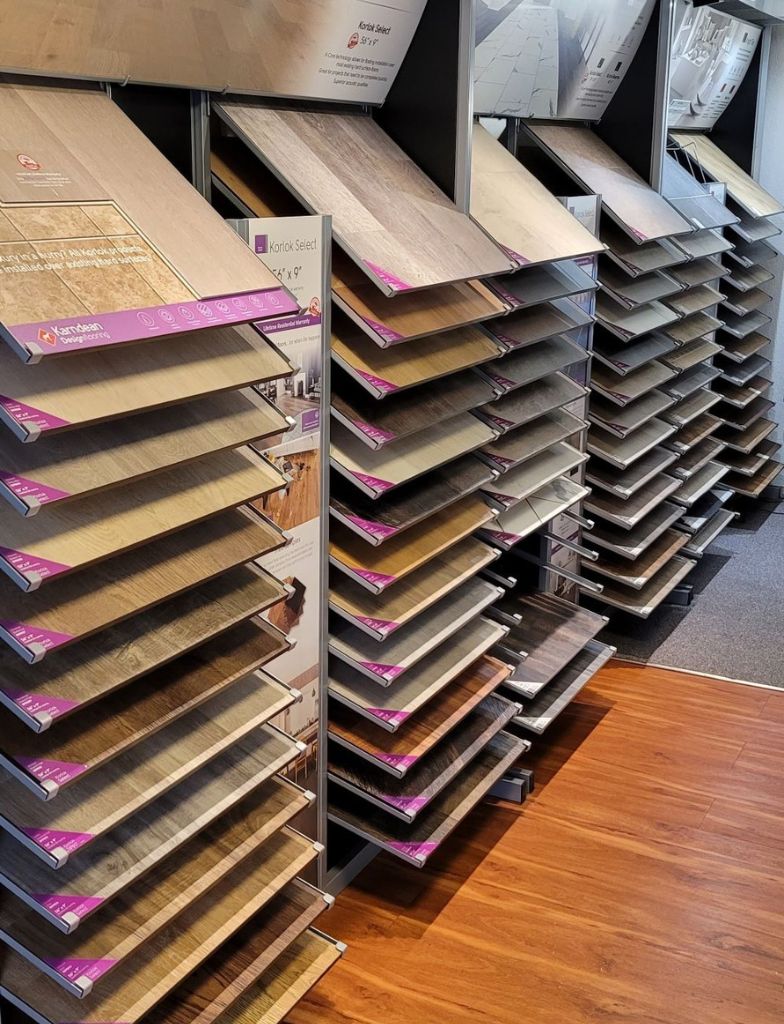
Why? Because thicker planks are more expensive to manufacture and easier to market. “8mm plank” sounds impressive. “20 mil wear layer” sounds like a technical detail most buyers will skip over. Showrooms display floors by feel and appearance, not by wear layer specs. A thick, cushiony plank feels premium underfoot in a showroom. That feeling sells floors.
But here’s what we see in the field. A homeowner buys a beautiful 8mm plank with a 6 mil wear layer because it felt solid and looked great. Three years later, the high-traffic areas look dull and scratched. The floor isn’t structurally damaged. The plank itself is fine. But the wear layer is gone, and the floor looks terrible. Replacement is the only option.
Meanwhile, a neighbor bought a 4mm plank with a 20 mil wear layer, spent slightly less per square foot, and their floor still looks new after six years of heavy use. The plank thickness gave the first homeowner comfort and rigidity. The wear layer gave the second homeowner durability. Only one of those things protects your investment long-term.
Our vinyl flooring installation expertise comes from seeing both outcomes repeatedly. We always recommend clients prioritize wear layer thickness for high-use areas, even if it means choosing a slightly thinner overall plank. The floor you live on every day needs to look good years from now, not just feel good in the showroom today.
Price-driven decisions are understandable. Renovations are expensive. But a 6 mil wear layer in a kitchen is a short-term saving that becomes a long-term cost. Invest in the wear layer first. Adjust other variables like plank thickness or plank width if you need to manage the budget.
Expert help for flawless luxury vinyl flooring installation in Massachusetts
Choosing the right wear layer is only half the equation. Even the best luxury vinyl product will underperform if it’s installed incorrectly or maintained poorly afterward. Improper installation can cause lifting, gapping, and uneven wear that shortens the life of any wear layer.

At Nu-England Services, we’ve been helping New England homeowners get flooring right since 1968. Our team provides professional flooring installation services throughout Massachusetts, including subfloor prep, acclimation, and precise fitting that protects your wear layer from day one. We also offer ongoing maintenance support to keep your floors looking their best for years. Whether you’re ready to install or still comparing products, our vinyl flooring installation team can walk you through the right options for your specific home and lifestyle. Explore our full luxury vinyl flooring info to get started.
Frequently asked questions
What is the ideal wear layer thickness for homes with pets?
For homes with pets or heavy traffic, a 20 mil wear layer minimum is recommended, since thinner 6 mil layers fail quickly under grit and claw contact. This threshold is where real-world durability begins for active households.
Does a thicker luxury vinyl plank mean greater durability?
No. Total plank thickness affects comfort and how well the floor bridges subfloor imperfections, but only the wear layer thickness determines how well the surface resists scratches, stains, and daily wear.
How do micro-scratch resistant coatings benefit luxury vinyl floors?
These coatings, often aluminum oxide or ceramic bead treatments, add a hardened layer on top of the wear layer that resists the fine scratches from micro-grit and daily contact, keeping floors looking newer for longer without changing the wear layer mil rating.
Should I match wear layer thickness to traffic patterns in my home?
Absolutely. High-traffic zones like kitchens, hallways, and entryways need 20 mil minimum, while low-traffic spaces like guest bedrooms can use lighter 6 to 12 mil options without sacrificing longevity.
Can a luxury vinyl floor be renewed after the wear layer wears through?
Once the wear layer is fully worn through, the floor cannot be repaired or refinished and must be replaced entirely, which is why investing in the right wear layer thickness from the start is so important.
