
TL;DR:
- Professional carpet cleaning removes up to 98% of dirt and allergens, far exceeding DIY results.
- Proper methods extend carpet lifespan by 50% and improve indoor air quality significantly.
- Choosing the right cleaning technique for your carpet and climate is crucial to prevent damage and mold growth.
Most homeowners assume a quick vacuum and the occasional rental machine keeps carpets clean. The reality is far more surprising. Professional carpet cleaning removes up to 98% of embedded dirt and 94% of allergens, numbers that no consumer machine comes close to matching. What professional cleaners actually do involves a combination of chemistry, equipment, and technique that goes well beyond surface cleaning. This guide breaks down the methods, the science behind them, and why the results matter for your family’s health and the long-term value of your flooring.
Table of Contents
- Professional carpet cleaning methods: What really happens
- Beyond dirt removal: Health, air quality, and carpet longevity
- Tailoring methods for homes: Materials, moisture, and New England nuance
- Professional vs. DIY carpet cleaning: What do you really get?
- Why the right carpet cleaning method matters more than frequency
- Choose professional carpet cleaning for healthier, longer-lasting floors
- Frequently asked questions
Key Takeaways
| Point | Details |
|---|---|
| Deep dirt removal | Professional cleaners remove up to 95-98% of embedded dirt for healthier, cleaner carpets. |
| Better air quality | Professional cleaning reduces allergens and mold, helping your family breathe easier. |
| Longer carpet life | Routine pro cleaning extends carpet life by up to 50%, saving money on replacements. |
| Method matters | Choosing the right cleaning process for your carpet material prevents damage and improves results. |
| Professional pays off | Experts achieve better results than DIY, offering deeper cleaning and greater health benefits. |
Professional carpet cleaning methods: What really happens
Now that you know why professional cleaning outperforms DIY, let’s explore the actual methods used, starting with the most common.
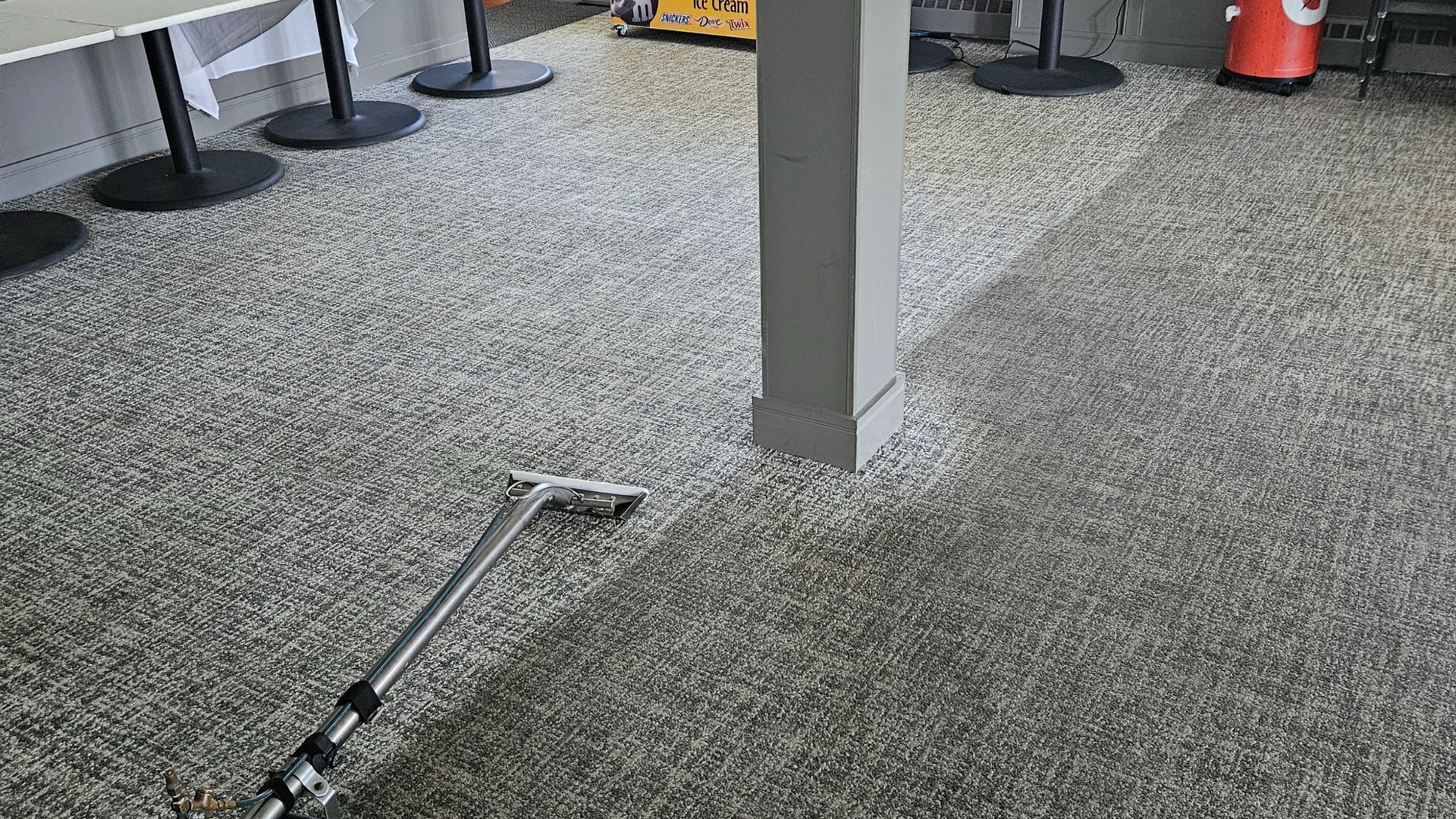
Hot Water Extraction, often called steam cleaning, is the gold standard. A technician injects a heated cleaning solution deep into the carpet fibers under high pressure, agitates the pile to loosen bonded soil, and then extracts the water along with dissolved dirt, allergens, and bacteria using a powerful vacuum. The process reaches the base of the fiber and the backing, not just the surface. Hot Water Extraction is used in over 78-90% of professional cleanings and removes up to 98% of dirt and allergens, making it the most effective method available.
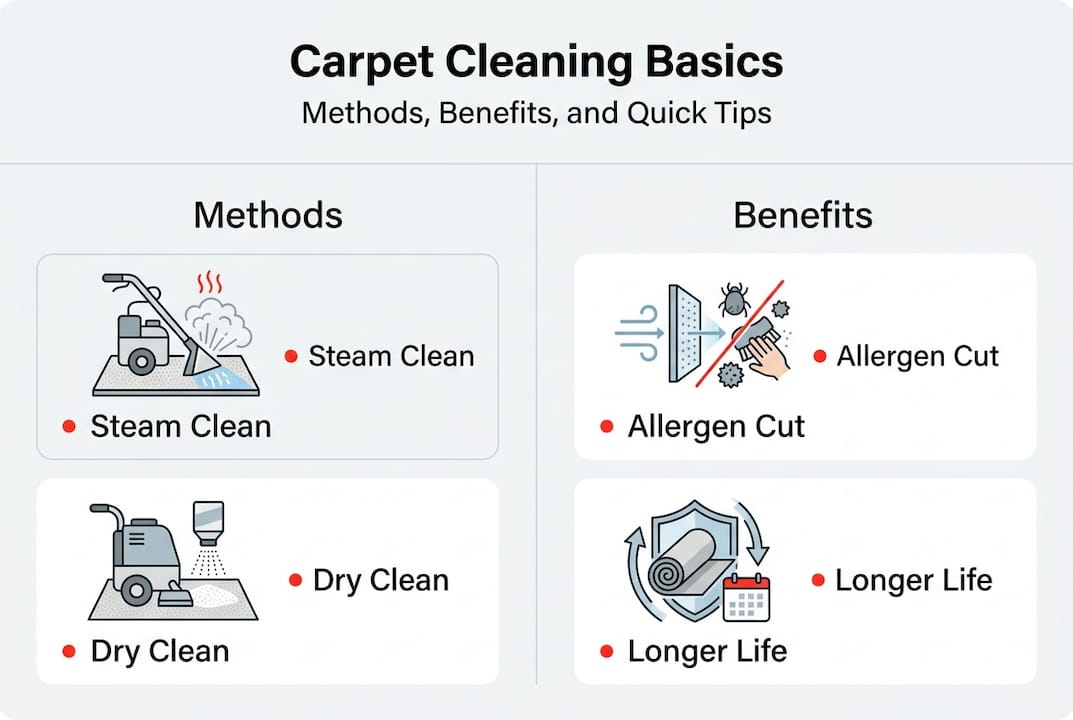
Here is a quick look at how the major professional methods compare:
| Method | Moisture level | Best for | Drying time |
|---|---|---|---|
| Hot Water Extraction | High | Synthetic carpets, deep soil | 6-12 hours |
| Dry compound cleaning | Very low | Wool, delicate fibers | Under 1 hour |
| Encapsulation | Low | Maintenance cleans, commercial | 1-2 hours |
| Bonnet cleaning | Low | Surface refresh | 1-2 hours |
Before any method is applied, a professional technician walks through a pre-inspection. This step includes identifying fiber type, and checking for stains with known causes. These steps are what separate a professional result from a risky DIY attempt.
The full process typically follows these steps:
- Pre-inspection and fiber identification
- Dry vacuuming to remove loose soil
- Pre-treatment of stains and high-traffic zones
- Application of cleaning solution
- Agitation using a brush or rotary tool
- Hot water extraction or chosen method
- Post-cleaning inspection and grooming
Understanding carpet cleaning processes at this level helps you ask better questions when hiring a company. The health and air quality benefits of a properly executed clean are significant, but only when the right method is applied correctly.
Beyond dirt removal: Health, air quality, and carpet longevity
Understanding the cleaning process itself is important, but the real payoff comes from health and carpet longevity improvements.
Carpets act as a filter for your home’s air, trapping dust mites, pet dander, mold spores, bacteria, and volatile organic compounds. Over time, that filter gets full. When it does, foot traffic stirs those particles back into the air you breathe. Professional cleaning empties the filter in a way that vacuuming simply cannot.
The numbers are striking. HWE reduces allergens by 83-97%, cuts airborne mold by 55%, and eliminates bacteria by up to 90%. For households with asthma or allergy sufferers, this is not a luxury. It is a meaningful health intervention.
| Health benefit | Improvement with professional cleaning |
|---|---|
| Allergen reduction | 83-97% |
| Airborne mold reduction | 55% |
| Bacteria elimination | Up to 90% |
| Carpet lifespan extension | Up to 50% longer |
Beyond health, the financial case for regular professional cleaning is strong. Carpet replacement is expensive. Professional methods extend carpet life by 50% compared to homes that rely only on vacuuming. Soil particles are abrasive. Every step grinds them against the fiber, cutting it over time. Removing that soil regularly prevents the wear that leads to early replacement.
Key reasons professional cleaning protects your investment:
- Removes abrasive soil that cuts fiber over time
- Prevents mold growth that weakens backing and subfloor
- Restores pile height and texture for a like-new appearance
- Maintains manufacturer warranty requirements in many cases
Exploring the full range of carpet cleaning benefits helps frame cleaning as maintenance rather than a chore. If you are evaluating whether carpet is still the right choice for your home, understanding carpet value for homes puts the investment in perspective.
“Carpets cleaned professionally on a regular schedule last significantly longer and contribute to measurably better indoor air quality than those maintained by vacuuming alone.”
Tailoring methods for homes: Materials, moisture, and New England nuance
With health benefits established, the next step is understanding how cleaners adapt their methods for different homes and carpets.
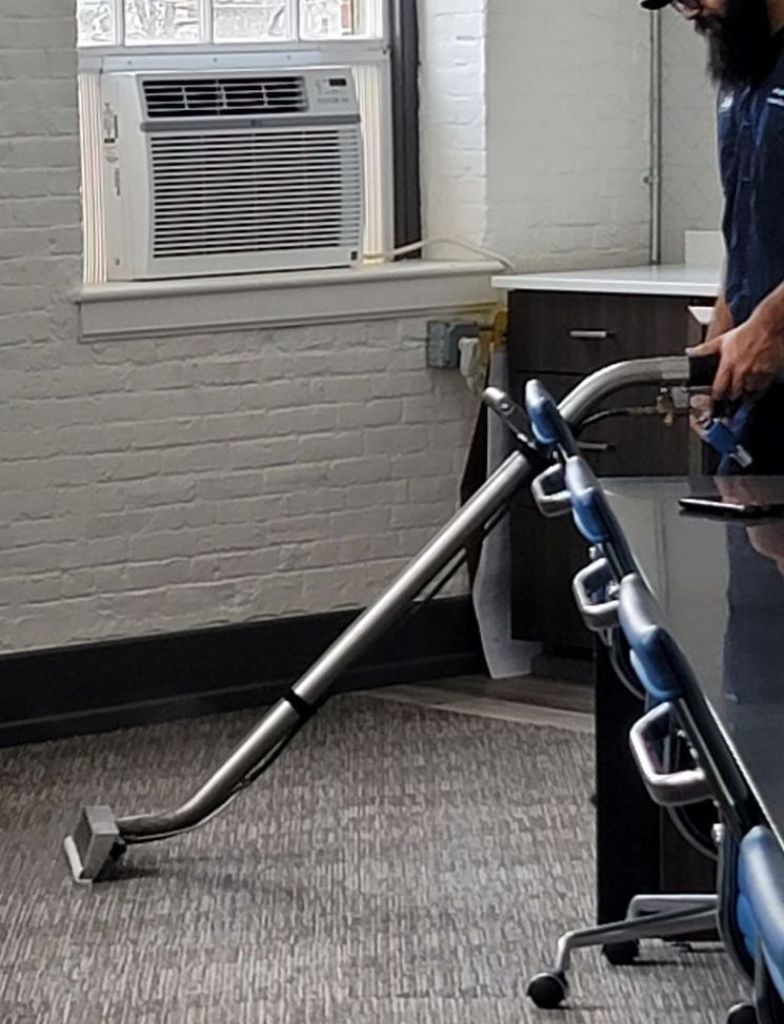
Not every carpet is the same, and not every cleaning method works on every fiber. Professionals identify the carpet type before selecting a method. Professionals match method to fiber, using HWE for synthetics like nylon and polyester, and dry or low-moisture methods for wool, sisal, and other natural fibers.
New England adds another layer of complexity. The region’s humidity, especially in summer, means carpets take longer to dry after wet cleaning.
Professional vs. DIY carpet cleaning: What do you really get?
Many homeowners wonder whether hiring pros is worth it, so let’s break down professional vs. DIY results.
Rental machines from hardware stores look similar to professional equipment. They are not. Consumer machines operate at lower water temperatures, lower pressure, and significantly weaker extraction power. The result is a surface clean that leaves moisture and soil behind, sometimes making the carpet re-soil faster than before.
| Factor | Professional cleaning | DIY rental machine |
|---|---|---|
| Pollutant removal | Up to 96% | Around 45% |
| Water temperature | 200-230°F | 120-140°F |
| Extraction power | Truck-mounted, high CFM | Portable, limited suction |
| Drying time | 6-12 hours | 12-24+ hours |
| Allergen reduction | 83-97% | Minimal |
Professional methods remove 96% of pollutants versus 45% for DIY machines. That gap is not minor. It represents the difference between a genuinely clean carpet and one that looks cleaner on the surface.
Here is what professionals do that a DIY rental typically misses:
- Pre-inspection and fiber identification
- Targeted pre-treatment of set-in stains
- Truck-mounted extraction with significantly higher heat and suction
- Post-clean grooming to restore pile direction
- Identification of underlying issues like mold or subfloor moisture
From a warranty standpoint, many carpet manufacturers require documented professional cleaning at regular intervals to keep the warranty valid. A DIY rental does not satisfy this requirement. Understanding professional vs DIY cleaning in this context makes the decision clearer. For area rugs in particular, the stakes are even higher. Reviewing area rug cleaning benefits shows why specialized care matters for those investments.
Long-term, the cost of professional cleaning is far lower than early carpet replacement driven by improper care or accumulated soil damage.
Why the right carpet cleaning method matters more than frequency
Moving past pure facts, here is an experienced perspective every New England homeowner should consider.
Most conversations about carpet cleaning focus on one question: how often? The more important question is how. We have seen carpets cleaned every six months that were permanently damaged because the wrong method was used. We have also seen carpets cleaned once every two years that looked and performed beautifully because the right method was matched to the fiber and the climate.
The uncomfortable truth is that a bad professional cleaning can cause more damage than no cleaning at all.
Choose professional carpet cleaning for healthier, longer-lasting floors
The research is clear: professional carpet cleaning delivers results that protect your home, your health, and your flooring investment in ways DIY simply cannot match.

At Nu-England Services, we have been serving New England homeowners since 1968 with proven, eco-conscious methods tailored to local conditions. Our local carpet cleaning experts use the right technique for every fiber type, every home, and every season. We also offer dedicated rug cleaning services for area rugs that need specialized care. For unique flooring challenges, our special cleaning for flooring covers situations that standard cleaning does not. Request a free quote today and let us help you get a genuinely clean home.
Frequently asked questions
How often should carpets in New England homes be professionally cleaned?
Most experts recommend cleaning every 12-18 months, but homes with pets, allergies, or high humidity may benefit from more frequent visits. Regular professional cleaning extends carpet life by 50% and keeps allergen levels low year-round.
Can carpet cleaning help prevent mold in humid climates?
Yes, professional extraction removes moisture and reduces mold spores significantly, which is crucial for New England’s humid conditions. Proper extraction and ventilation after cleaning prevents mold growth that can damage backing and subfloor materials.
Is professional cleaning worth it compared to DIY carpet machines?
Professional cleaners remove 96% of pollutants compared to around 45% for DIY rental machines, and they deliver longer-lasting, healthier results with lower risk of damage.
