
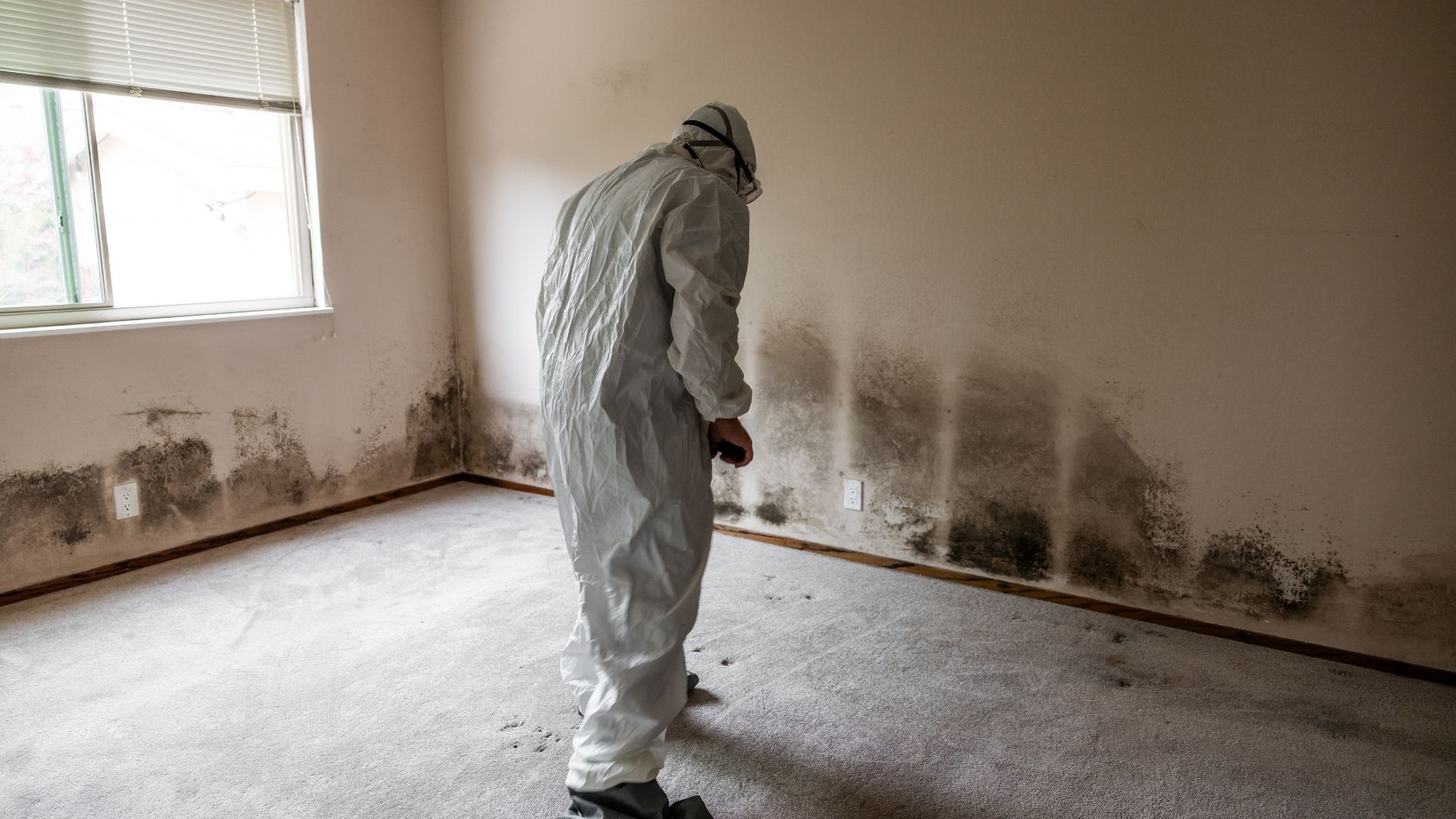
Nearly one in four American homes in New England faces mold contamination each year, threatening both property value and family health. Persistent humidity and unpredictable weather make older homes especially vulnerable, with hidden spores quickly multiplying in places like basements and bathrooms. Understanding how mold spreads indoors helps homeowners take smarter action to safeguard their spaces. This article breaks down key factors so you can protect your investment and create a healthier living environment.
Table of Contents
Key Takeaways
| Point | Details |
|---|---|
| Mold Growth Conditions | Mold thrives in dark, moist environments with organic materials, making areas like basements and bathrooms particularly vulnerable. |
| Health Risks | Prolonged mold exposure can lead to respiratory issues, neurological symptoms, and allergic reactions, affecting vulnerable populations more severely. |
| Financial Impacts | Mold damage can significantly devalue properties and complicate real estate transactions, highlighting the need for prompt intervention. |
| Professional Remediation | Effective mold remediation requires professional assessment and treatment to ensure thorough removal and prevention of recurrence. |
What Mold Is and Why It Grows Indoors
Mold is a microscopic fungus that silently thrives in damp environments, transforming seemingly harmless spaces into potential health hazards for New England homeowners. Unlike plants that require sunlight for growth, mold can proliferate in dark, moist areas, making basements, attics, and bathrooms particularly vulnerable zones. Understanding mold’s biological characteristics reveals why controlling moisture is crucial in preventing its spread.
Indoor mold growth occurs when specific conditions align: moisture, organic material, and appropriate temperatures. Spores enter homes through multiple pathways – air currents, clothing, pets, and open windows – and quickly colonize surfaces with high humidity or water damage. Common breeding grounds include wooden structures, drywall, carpets, and areas around windows and plumbing fixtures. Mold spores can multiply rapidly when moisture remains consistent, turning small patches into extensive contamination within days or weeks.
The New England climate, with its humid summers and damp winters, creates an ideal environment for mold proliferation. Older homes with potential insulation gaps, aging foundations, and complex architectural designs can be especially susceptible. Factors like poor ventilation, recent water damage, and inadequate home maintenance significantly increase the risk of mold growth. Understanding these conditions allows homeowners to implement proactive prevention strategies before minor moisture issues escalate into major remediation projects.
Here’s a summary of key factors that influence indoor mold growth in New England homes:
| Influencing Factor | Role in Mold Growth | Typical Risk Area |
|---|---|---|
| Moisture | Enables mold to colonize surfaces | Basements, bathrooms |
| Organic Material | Provides nutrients for mold | Wood, drywall, carpets |
| Temperature | Affects spore activity and growth rate | Attics, crawl spaces |
| Ventilation Quality | Determines moisture retention | Enclosed rooms |
| Recent Water Damage | Triggers rapid mold spread | Plumbing areas, windows |
Pro Tip: Conduct monthly moisture inspections in high-risk areas like basements, crawl spaces, and bathrooms, using a digital hygrometer to monitor humidity levels and catch potential mold growth early.
Hidden Threats: Health Risks of Indoor Mold
Mold exposure presents significant health risks that extend far beyond simple allergic reactions, particularly for New England residents living in older homes with complex moisture challenges. Respiratory problems represent the most immediate and common health consequences of indoor mold, ranging from mild congestion to severe asthma attacks. Children and individuals with pre-existing respiratory conditions are especially vulnerable, with prolonged exposure potentially triggering chronic respiratory complications.
The health impacts of indoor mold are multifaceted and can affect multiple body systems simultaneously. Prolonged exposure correlates with increased risks of immune system disruption and potential neurological symptoms, including cognitive difficulties, memory problems, and mood changes. Specific vulnerable populations such as infants, elderly individuals, and those with compromised immune systems face heightened risks of developing serious health complications from persistent mold exposure.
Beyond respiratory and neurological concerns, mold can trigger widespread allergic responses that manifest through skin irritation, persistent headaches, and systemic inflammation. The microscopic nature of mold spores allows them to penetrate deep into living spaces, creating an invisible threat that can silently compromise household health. Different mold species produce varying levels of mycotoxins, which means the potential health risks can differ dramatically depending on the specific type of mold present in a home.
Pro Tip: Schedule annual professional mold inspections, especially in high-humidity areas of your home, to catch potential health risks before they become severe medical concerns.
Property Damage and Home Value Impacts
Mold damage represents far more than a cosmetic issue for New England homeowners – it can become a significant financial liability that dramatically impacts property value and structural integrity. Economic analyses reveal that moisture-related problems can substantially reduce home market value, with potential devaluations ranging between 20% to 37% depending on the extent of contamination and visible damage. Structural materials like wooden framing, drywall, and insulation are particularly vulnerable to progressive deterioration when consistent moisture creates ideal conditions for fungal growth.
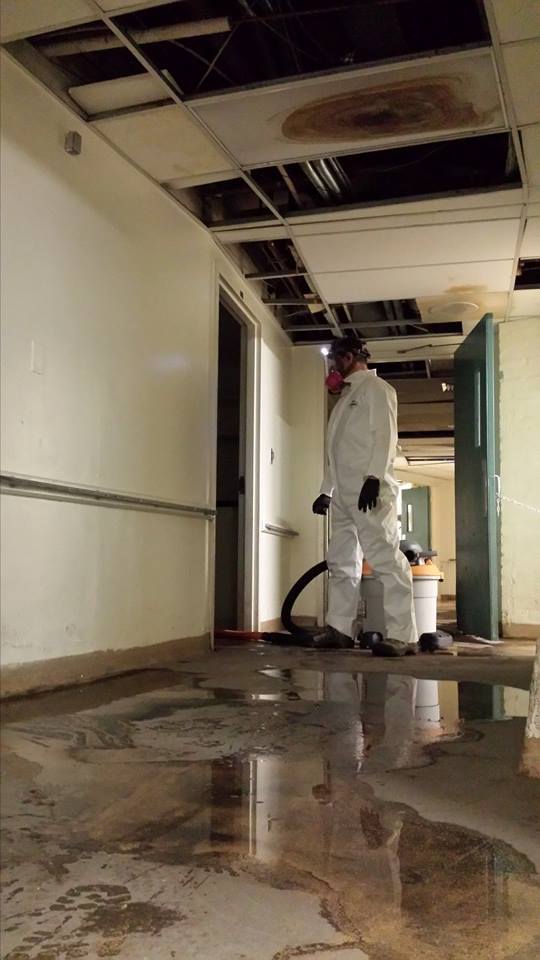
Housing market data indicates that mold presence significantly deters potential buyers, creating a long-term economic challenge for homeowners attempting to sell their properties. Insurance companies have become increasingly strict about mold-related claims, often excluding coverage for gradual moisture damage or limiting payouts for remediation efforts. This trend places an additional financial burden on homeowners, who must invest in preventative maintenance and rapid response to any signs of moisture intrusion.
The complexity of mold damage extends beyond visible surface issues, potentially compromising the fundamental structural elements of a home. Wooden structures can experience wood rot, drywall may develop irreparable water stains, and insulation can lose its effectiveness when consistently exposed to moisture. New England’s unique climate – with high humidity, frequent temperature fluctuations, and older housing stock – makes properties particularly susceptible to these progressive damage mechanisms. Homeowners must recognize that early intervention is not just a health priority, but a critical financial protection strategy.
Pro Tip: Invest in professional moisture mapping and annual home inspections to catch potential mold development before it transforms from a minor maintenance issue into a major financial liability.
Why DIY Solutions Fall Short
DIY mold remediation techniques frequently create more problems than they solve, especially in the complex architectural landscapes of New England homes. Homeowners attempting to tackle mold issues without professional expertise often discover that surface cleaning provides only a temporary illusion of resolution. Mold’s microscopic nature allows it to penetrate deeply into porous materials like drywall, wooden framing, and insulation, creating hidden networks of contamination that remain undetected by amateur treatment methods.
The Environmental Protection Agency cautions that effective mold remediation requires far more than simple surface cleaning, particularly for areas larger than 10 square feet. Professional remediation involves sophisticated containment strategies to prevent spore dispersal, specialized equipment for moisture detection, and comprehensive techniques that address the root causes of mold growth. Household cleaning products and store-bought solutions lack the precision and scientific approach needed to thoroughly eliminate mold and prevent future recurrence.
New England’s unique environmental conditions – characterized by high humidity, older building structures, and complex architectural designs – make DIY mold removal particularly challenging. Improper cleaning techniques can actually accelerate mold spread by disturbing spore colonies and releasing them into the air, potentially contaminating additional areas of the home. Without proper understanding of moisture dynamics, air circulation patterns, and material-specific treatment requirements, well-intentioned homeowners can inadvertently transform a manageable mold issue into a comprehensive and expensive remediation project.
Here’s a comparison of DIY mold solutions versus professional remediation approaches:
| Aspect | DIY Approach | Professional Remediation |
|---|---|---|
| Detection | Limited to surface mold | Uses advanced diagnostic tools |
| Effectiveness | Temporary, often incomplete | Comprehensive and long-lasting |
| Health Risks | Higher due to spore exposure | Reduced via safety procedures |
| Structural Impact | May miss hidden damage | Addresses root causes and repairs |
Pro Tip: Always consult a professional mold remediation expert if the affected area exceeds 10 square feet or if you have pre-existing respiratory conditions, as DIY attempts can pose significant health and structural risks.
Professional Mold Remediation: Process and Benefits
Professional mold remediation follows a systematic, scientifically-validated approach that goes far beyond simple surface cleaning. The process begins with a comprehensive assessment that identifies not just visible mold growth, but underlying moisture sources that enable fungal proliferation. Trained technicians use advanced diagnostic tools like infrared cameras and moisture meters to detect hidden contamination within walls, beneath flooring, and inside structural cavities that would remain undetected by untrained observers.
The EPA’s recommended remediation protocol involves multiple critical stages designed to ensure complete and safe mold elimination. These stages include precise containment strategies to prevent spore spread, specialized air filtration using HEPA technology, careful removal and disposal of contaminated materials, and thorough cleaning and disinfection of affected areas. Professional remediation teams wear specialized protective equipment and utilize industrial-grade cleaning agents that effectively neutralize mold without causing additional structural damage or health risks.
Beyond immediate mold removal, professional remediation provides long-term protection for New England homes. Experts not only eliminate existing contamination but also diagnose and recommend solutions for underlying moisture problems, such as improving ventilation, repairing structural vulnerabilities, and implementing preventative strategies tailored to the region’s unique environmental challenges. This comprehensive approach prevents future mold growth, protects property value, and safeguards the health of home occupants by addressing the root causes of moisture and fungal development.
Pro Tip: Request documentation of the mold remediation process, including moisture source identification, containment procedures, and post-remediation air quality testing to ensure comprehensive treatment.
Protect Your New England Home with Expert Mold Remediation
Mold growth in New England homes is more than an unwelcome nuisance. It threatens your health, property value, and peace of mind. The article highlights critical challenges like moisture control, hidden contamination, and the risks of DIY solutions that often leave problems unresolved. At Nu-England Services, we understand these issues deeply and bring decades of local expertise to help you combat mold safely and effectively.
Our professional Mold Remediation – Nu-England Services team uses advanced detection tools and proven methods to eliminate mold at the source. This comprehensive approach means no more worrying about unseen spores in your basement, bathrooms, or crawl spaces. With our eco-conscious practices and transparent pricing, we commit to protecting your family’s health and your home’s structural integrity.
Don’t let mold threaten your New England home any longer. Request a free quote today at Nu-England Services and take the first step toward a cleaner, safer living environment. For long-term care, explore our Carpet Cleaning – Nu-England Services solutions to keep your indoor spaces fresh and mold-free. Your home deserves expert care you can trust.
Frequently Asked Questions
What factors contribute to mold growth in homes?
Mold growth is influenced by factors such as moisture, organic material, temperature, ventilation quality, and recent water damage. High-humidity areas like basements and bathrooms are particularly at risk.
How does mold exposure affect health?
Mold exposure can lead to respiratory issues, allergies, and other health problems, especially in sensitive populations such as children, the elderly, and those with compromised immune systems. Prolonged exposure may also cause neurological symptoms and immune system disruptions.
Why is professional mold remediation necessary?
Professional mold remediation is essential because it uses advanced diagnostic tools and techniques to comprehensively address both visible mold and underlying moisture issues. DIY methods often miss hidden contamination and can worsen the problem.
What steps are involved in the mold remediation process?
The mold remediation process typically involves a thorough assessment, effective containment strategies, specialized air filtration, safe removal of contaminated materials, and cleaning and disinfecting of affected areas to prevent future growth.
