
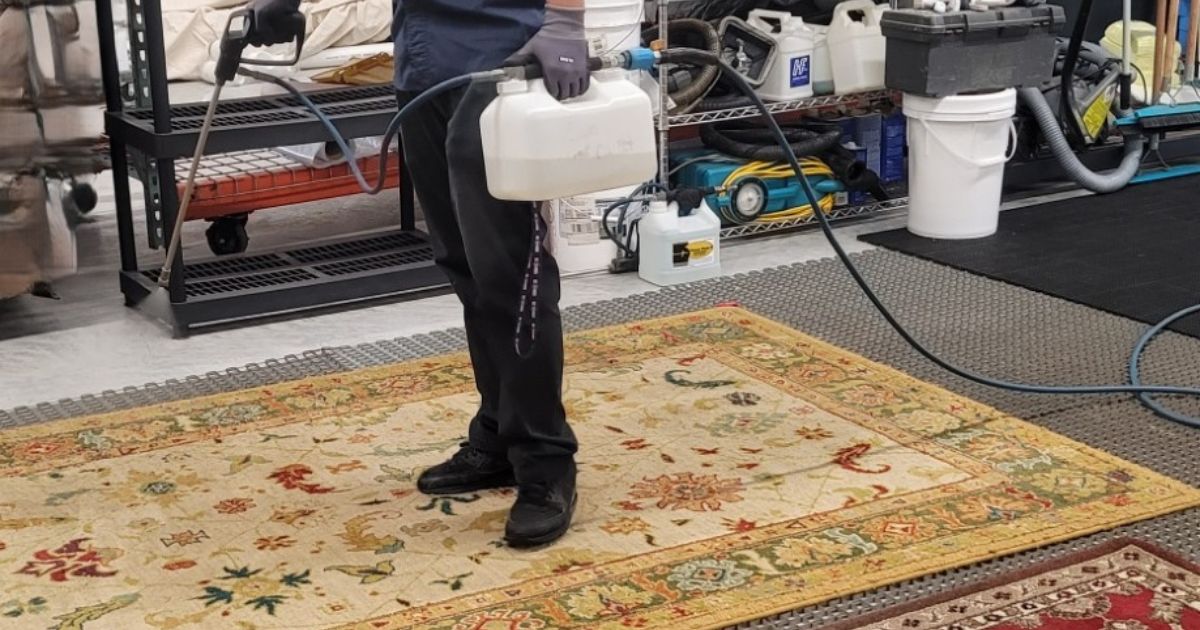
Luxury homes across New England often feature striking rugs that do more than just decorate a room—they serve as unique Homes across New England often feature striking rugs that do more than just decorate a room—they serve as unique investments blending art, tradition, and comfort. Protecting the value and beauty of these textile treasures means moving beyond simple cleaning routines to specialized care designed for each fiber type. With a growing focus on environmentally conscious living, more homeowners are seeking professional services that combine advanced fiber protection with sustainable, eco-friendly techniques.
Table of Contents
Key Takeaways
| Point | Details |
| Investment Value | High-quality rugs are valuable, appreciating assets that require proper care to maintain their worth. |
| Professional Maintenance | Regular professional cleaning is essential to preserve rug integrity and aesthetic appeal. |
| Specific Cleaning Needs | Different rug types have unique cleaning requirements, necessitating tailored approaches to avoid damage. |
| Health Benefits | Professional deep cleaning significantly improves indoor air quality by removing allergens and contaminants. |
What Makes Rugs Unique Investments
Rugs represent far more than simple floor coverings – they are sophisticated investments that blend artistry, cultural heritage, and practical functionality. Unlike mass-produced home accessories, high-quality rugs appreciate in value when properly maintained, making them distinctive assets for discerning New England homeowners.
The intricate craftsmanship behind premium rugs transforms them from mere decorative items into potential heirlooms. Professional cleaning organizations emphasize that handmade and natural fiber rugs require specialized care to preserve their structural integrity and aesthetic appeal. These textile treasures often incorporate complex weaving techniques passed down through generations, representing cultural narratives and artistic traditions.
Several key factors distinguish rugs as remarkable investments:
- Unique design complexity and artistic merit
- Potential for historical and cultural significance
- Superior material quality (silk, wool, handspun fibers)
- Potential appreciation in market value over time
- Ability to anchor and define interior design spaces
Professional maintenance plays a critical role in protecting these valuable textile assets. Dirt, moisture, and improper handling can rapidly degrade a rug’s delicate fibers, diminishing its aesthetic and monetary value. Regular professional cleaning prevents premature wear, color fading, and structural damage that could compromise the rug’s long-term investment potential.
Rugs are not just decorations – they are living artifacts that tell stories through their intricate designs and carefully woven threads.
Pro tip: When considering a rug as an investment, prioritize professional cleaning and maintenance to protect its long-term value and beauty.
Types of Rugs and Cleaning Challenges
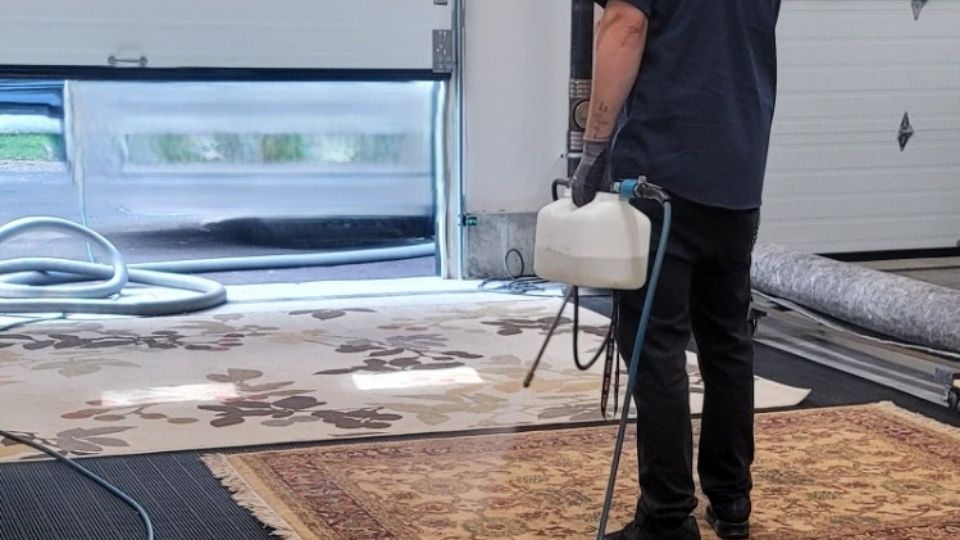
New England homeowners encounter a diverse landscape of rug types, each presenting unique cleaning challenges that demand specialized care. From delicate hand-woven Oriental carpets to modern synthetic blends, understanding the nuanced requirements of different textile materials is crucial for maintaining their beauty and longevity.
Specialized rug care experts emphasize that different fiber compositions dramatically impact cleaning approaches. Natural fiber rugs like wool and silk require extraordinarily gentle treatment, while synthetic materials can withstand more robust cleaning techniques.
The primary rug categories and their specific cleaning challenges include:
- Wool Rugs: Extremely sensitive to moisture and harsh chemicals
- Silk Rugs: Require minimal moisture and extremely gentle handling
- Cotton Rugs: More durable but prone to color bleeding
- Synthetic Blend Rugs: Can handle more aggressive cleaning methods
- Hand-Knotted Oriental Rugs: Need specialized professional assessment
Professional cleaning becomes essential because each rug type has distinct vulnerabilities. Natural fiber rugs, for instance, can easily shrink, fade, or become permanently damaged without proper technique. Synthetic rugs might seem more resilient, but inappropriate cleaning solutions can break down their protective coatings and accelerate wear.
Here’s how different rug types require specific care approaches:
| Rug Type | Preferred Cleaning Method | Typical Sensitivity |
| Wool | Very gentle, low-moisture | Shrinkage and color fading |
| Silk | Professional dry cleaning only | Moisture and abrasion |
| Cotton | Mild detergents, air dry | Color bleeding, mildew |
| Synthetic Blend | Machine or steam cleaning | Harsh chemicals, heat |
| Hand-Knotted Oriental | Specialist assessment needed | Dyes, structure damage |
Professional rug cleaning is not a one-size-fits-all service – it’s a precise art tailored to each unique textile.
Pro tip: Always consult professional cleaners who can identify your specific rug’s material composition and recommend appropriate cleaning strategies.
Risks of DIY Rug Cleaning Methods
Homeowners often underestimate the complexity of professional rug maintenance, believing that household cleaning methods can effectively protect their valuable textile investments. Carpet and Rug Institute research reveals that DIY cleaning attempts frequently cause more harm than good, potentially destroying expensive rugs through well-intentioned but misguided approaches.
The most common risks associated with amateur rug cleaning include:
- Permanent fiber damage from inappropriate cleaning solutions
- Color bleeding and dye degradation
- Shrinkage of delicate natural fiber materials
- Accidental moisture damage leading to mold growth
- Voiding manufacturer warranties through improper treatment
- Potential structural compromise of intricate woven fabrics
Understanding the chemical compositions of different cleaning agents is critical. Commercial carpet shampoos and household detergents often contain harsh chemicals that can strip protective coatings, break down textile fibers, and cause irreversible damage to complex rug structures. Synthetic rugs might tolerate some home treatments, but natural fiber rugs – especially silk and wool – require extraordinarily precise cleaning techniques.
DIY rug cleaning is like performing surgery with household kitchen tools – potentially disastrous and best left to trained professionals.
Pro tip: Always test any cleaning solution on an inconspicuous area and consult professional cleaners before attempting home treatments.
This table summarizes the benefits of professional rug cleaning versus DIY methods:
| Aspect | Professional Cleaning | DIY Cleaning Methods |
| Fiber Protection | Custom techniques for each fiber | Risk of fiber and dye damage |
| Allergen Removal | Deep extraction, high efficiency | Limited removal, surface only |
| Warranty Preservation | Maintains manufacturer guarantees | May void warranties |
| Eco-Friendly Options | Access to green certified practices | Often uses harsh chemicals |
Professional Care for Fiber Protection
Professional rug maintenance represents a sophisticated science that goes far beyond simple surface cleaning. Advanced cleaning systems protect delicate textile fibers through precise, scientifically-developed protocols that preserve the intricate structural integrity of valuable rugs.
The complex process of professional fiber protection involves several critical strategies:
- Microscopic fiber analysis to determine material composition
- Custom pH-balanced cleaning solutions tailored to specific textile types
- Specialized equipment designed for gentle yet thorough cleaning
- Protective treatments that reinforce fiber strength and resilience
- Moisture control techniques preventing potential fabric damage
- Restoration of natural fiber flexibility and appearance
Most homeowners remain unaware that different textile fibers require dramatically different care approaches. Wool rugs demand entirely different cleaning techniques compared to synthetic blends, and professional technicians understand the nuanced requirements of each material type. Natural fibers like silk and wool are particularly vulnerable to improper handling, with potential damage occurring through incorrect moisture levels, inappropriate chemical treatments, or excessive mechanical stress.
Professional fiber protection is an investment in preserving the beauty, structural integrity, and long-term value of your textile assets.
Pro tip: Request a professional fiber analysis before attempting any home cleaning to understand your specific rug’s unique maintenance requirements.
Health Benefits of Deep Cleaning
Professional rug cleaning extends far beyond aesthetic maintenance, representing a critical strategy for protecting indoor health and air quality. Comprehensive health research reveals that deep cleaning eliminates hidden health hazards lurking within textile fibers, particularly crucial for New England homes with limited ventilation during long winter months.
The most significant health benefits of professional rug deep cleaning include:
- Reduction of respiratory allergen triggers
- Elimination of dust mite populations
- Removal of embedded pet dander
- Prevention of mold and bacterial growth
- Mitigation of potential asthma and allergy symptoms
- Improvement of overall indoor air quality
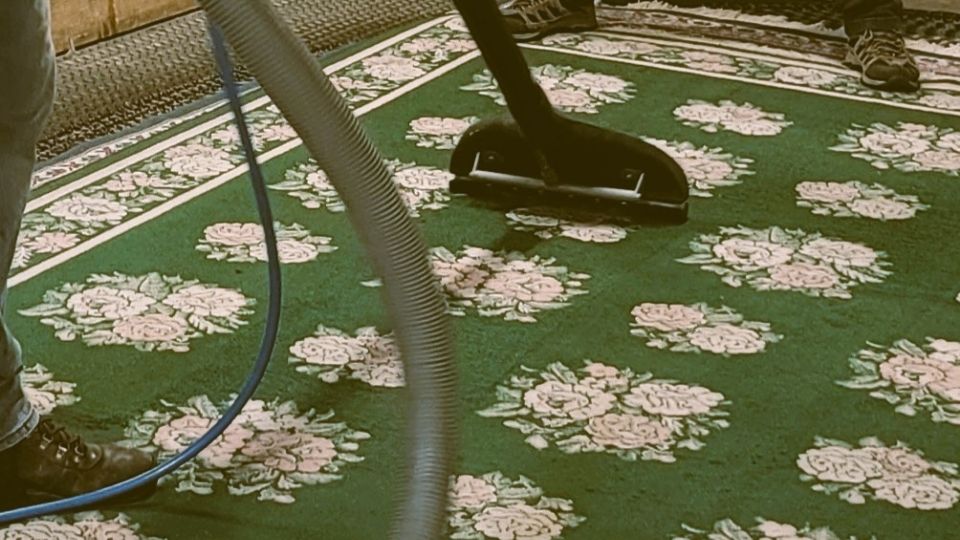
Unlike surface-level vacuuming, professional deep cleaning penetrates the intricate layers of rug fibers, extracting microscopic contaminants that traditional home cleaning methods cannot reach. The accumulation of pollutants like dust, pollen, dead skin cells, and environmental particulates creates a complex ecosystem within rug materials that can significantly impact respiratory health, especially for individuals with pre-existing conditions.
Deep cleaning is not a luxury – it’s a fundamental health maintenance strategy for your living environment.
Pro tip: Schedule professional deep cleaning at least twice annually, with additional treatments for homes with pets, children, or high-traffic areas.
Eco-Friendly Techniques and Local Expertise
New England’s unique environmental consciousness drives professional rug cleaning toward increasingly sustainable practices that protect both textile investments and regional ecosystems. Professional cleaning associations emphasize the importance of developing eco-friendly techniques specifically tailored to the region’s distinctive climate and textile preservation needs.
Key elements of environmentally responsible rug cleaning include:
- Biodegradable, plant-based cleaning solutions
- Minimal water consumption techniques
- Low-chemical extraction methods
- Sustainable waste management practices
- Energy-efficient cleaning equipment
- Natural fiber preservation strategies
Local New England professionals bring extraordinary expertise to eco-friendly rug maintenance, understanding how regional humidity, seasonal variations, and specific textile compositions interact. Their nuanced approach goes beyond generic cleaning methods, incorporating deep knowledge of how environmental factors impact different rug materials. This localized expertise ensures that cleaning techniques not only preserve rugs but also minimize ecological impact through carefully selected, environmentally conscious processes.
Sustainable rug care is more than a service – it’s a commitment to environmental stewardship and textile preservation.
Pro tip: Request documentation of eco-friendly practices from your professional rug cleaning service to ensure genuine environmental responsibility.
Preserve the Beauty and Value of Your Rugs with Trusted Professional Care
Rugs in New England face unique challenges from moisture, dirt, and delicate fibers that require expert attention to maintain their artistry and longevity. If you want to protect your valuable textile investment from damage like shrinking, fading, or structural wear, rely on tailored professional cleaning solutions. Nu-England Services has been proudly serving the region since 1968 with environmentally careful techniques that preserve the integrity of your rugs while enhancing indoor health.
Trust our skilled team for:
- Customized cleaning methods suited for wool, silk, synthetic blends, and hand-knotted Oriental rugs
- Eco-friendly and low-moisture treatments that prevent fiber damage
- Allergy and allergen reduction for a healthier home environment
Experience the difference that specialized care can make. Discover how our comprehensive rug cleaning services to protect your rugs and home in a way DIY methods cannot.
Ready to extend the life and beauty of your rug with expert cleaning backed by decades of New England expertise? Visit https://nes-co.com to request your free quote today. Protect your investment and enjoy a fresher, healthier living space with Nu-England Services.
Learn more about our full range of trusted services including Carpet Cleaning and Upholstery Cleaning to keep your entire home looking its best.

Frequently Asked Questions
Why are rugs considered valuable investments?
Rugs are considered valuable investments because they combine artistry, cultural heritage, and practical functionality, often appreciating in value when well-maintained.
What types of rugs require specialized cleaning?
Natural fiber rugs, such as wool and silk, require specialized cleaning techniques due to their sensitivity to moisture and harsh chemicals, as well as unique vulnerabilities in their structure.
What are the risks of DIY rug cleaning?
DIY rug cleaning can lead to permanent fiber damage, color bleeding, shrinkage, and even accidental moisture damage that may encourage mold growth, potentially compromising the rug’s integrity.
How does professional cleaning improve indoor air quality?
Professional rug cleaning removes dust, allergens, pet dander, and mold, significantly improving indoor air quality and reducing respiratory allergen triggers, essential for maintaining a healthy living environment.
