
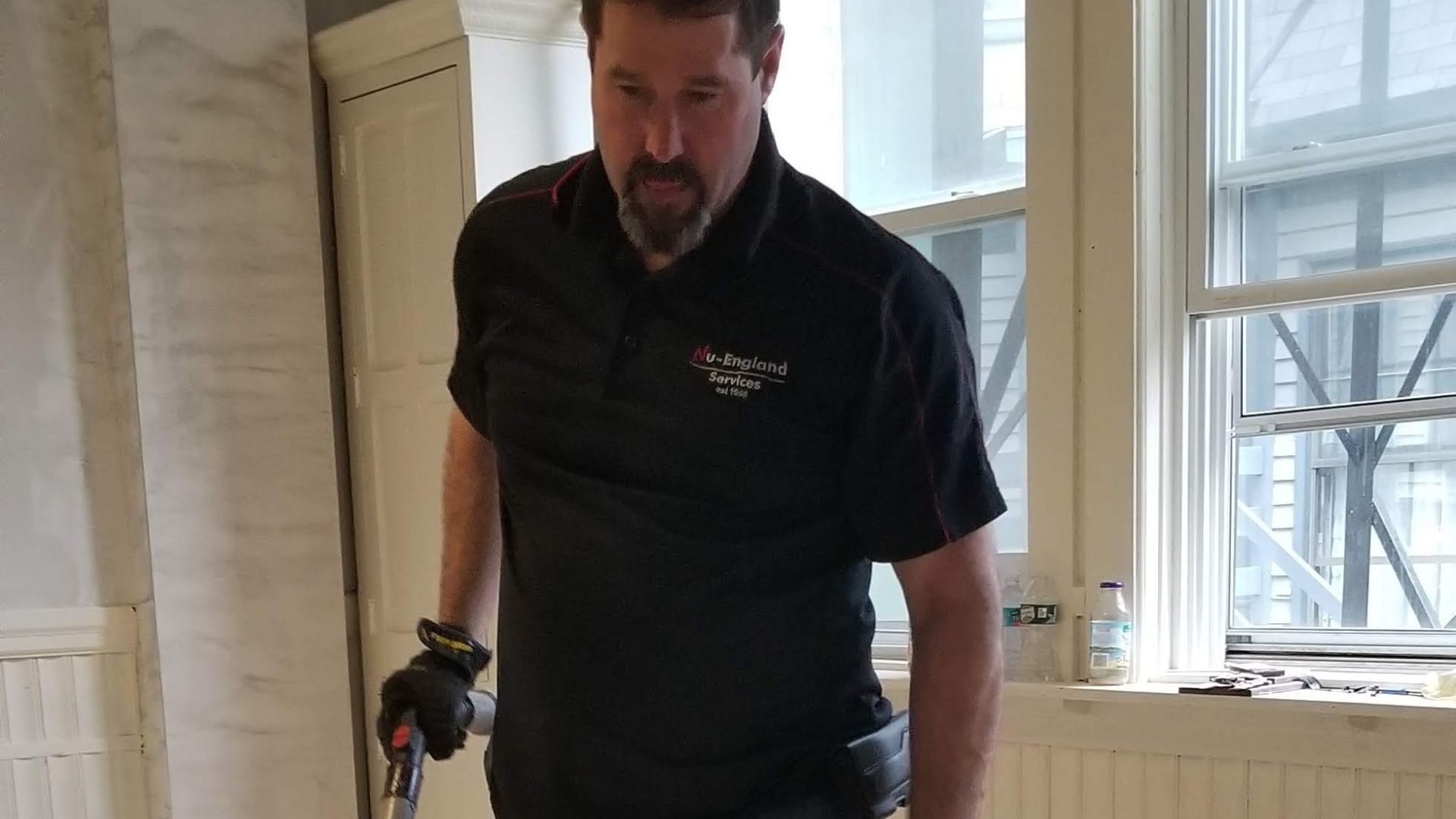
Trying to keep your New England home spotless while juggling work, family, and life’s demands can feel impossible. Many homeowners reach for vinegar, bleach, or DIY methods, yet these shortcuts rarely deliver true cleanliness or peace of mind. Professional cleaning uses science-based techniques and product knowledge to eliminate dirt and allergens—while eco-friendly options protect your family’s health and the environment. Discover how expert service can make your home healthier and your life less stressful.
Table of Contents
Key Takeaways
| Point | Details |
| Professional Cleaning is Methodical | It involves systematic approaches, proper product selection, and correct application techniques to effectively eliminate contaminants. |
| Common Myths Mislead Homeowners | Beliefs such as vinegar being a universal cleaner or bleach providing instant germ removal undermine true cleaning effectiveness. |
| Eco-Friendly Practices Are Essential | Choosing certified eco-friendly cleaning services not only protects health but also benefits the environment by reducing harmful chemical usage. |
| Professional Cleaning Provides Long-Term Value | While DIY cleaning may seem economical, professional services offer better results, safety, and time savings that justify the investment. |
Professional Cleaning Defined and Common Myths
Professional cleaning isn’t just about making surfaces look nice. It’s a systematic approach to removing dirt, bacteria, and allergens from your home using proven techniques and appropriate products.
Many New England homeowners believe they can handle everything with household staples. Vinegar, baking soda, and bleach get all the attention in internet cleaning hacks. But these quick fixes often fall short of what real professional cleaning delivers.
What Professional Cleaning Actually Means
According to cleaning science, professional cleaning properly removes dirt and contaminants to maintain health and prevent disease. This involves far more than spraying and wiping.
Professional cleaners follow a science-based method that includes:
- Working systematically from clean areas to dirty areas to avoid spreading contaminants
- Using proper disinfection techniques, including letting products sit for the recommended contact time
- Employing microfiber cloths and appropriate equipment rather than makeshift alternatives
- Regular dusting, vacuuming, and targeted disinfection to reduce allergens and germs
- Applying the right product strength for the job at hand
Think of it like medical treatment. Just because you have a thermometer doesn’t mean you can diagnose an infection. Professional cleaners understand chemistry, surface compatibility, and timing.
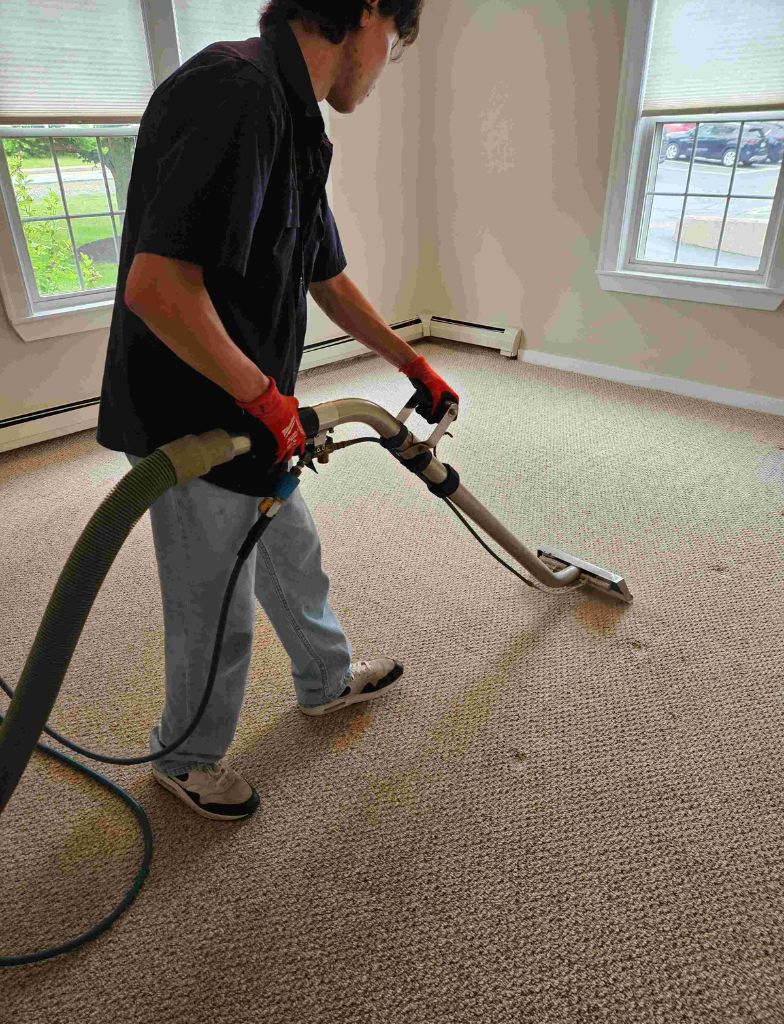
Common Myths That Waste Your Time
Most New England households hold onto cleaning myths that sound logical but don’t actually work. Here are the biggest culprits:
Myth 1: Vinegar cleans everything effectively. Many homeowners reach for vinegar thinking it’s a universal cleaner. Truth is, vinegar doesn’t kill enough bacteria on its own and can damage certain surfaces like natural stone.
Myth 2: Bleach instantly kills all germs. Bleach requires contact time to work. Spraying and immediately wiping removes most of the disinfectant before it can kill pathogens. Consumer Reports confirms that disinfectants need time to eliminate bacteria, not instantaneous results.
Myth 3: Newspapers and feather dusters are fine for dusting. These spread dust around rather than capturing it. Microfiber cloths actually trap particles instead of redistributing them throughout your home.
Myth 4: More product means cleaner results. Using excessive amounts of cleaning chemicals wastes money, harms the environment, and can leave residue that attracts dirt faster. Professional services use proper dilution ratios.
Professional cleaning combines proper technique, correct product selection, and adequate contact time—none of which happen during a quick DIY session.
Why These Myths Persist
These beliefs stick around because some household methods do work partially. Vinegar smells clean. Bleach kills something. But partial results aren’t the same as thorough cleaning that protects your family’s health.
Busy New England professionals often choose convenience over effectiveness, thinking “good enough” cleaning saves time. Professional services actually reclaim your time while delivering superior results.
Pro tip: When evaluating cleaning services, ask specifically about their methods for contact time and product selection—these details separate effective cleaning from surface-level tidying.
Here’s how professional cleaning compares to typical DIY cleaning methods:
| Aspect | Professional Cleaning | DIY Cleaning |
| Product Knowledge | Science-based | Internet or household tips |
| Results Consistency | High, reliable outcomes | Varies, often superficial |
| Safety Protocols | Follows training standards | Relies on personal judgment |
| Risk of Surface Damage | Minimal, expert handling | Higher, risk of mistakes |
| Allergen Reduction | Targeted and proven methods | Limited impact |
Types of Cleaning Services for Homes
Not all cleaning is created equal. Your home needs different types of service depending on what you’re trying to accomplish and how much time you have available.
Understanding the range of professional cleaning options helps you choose exactly what fits your New England household’s needs and budget.
Breaking Down the Main Service Categories
Professional cleaners offer distinct service tiers, each addressing different situations. Different residential cleaning services handle everything from regular maintenance to deep restoration work.
Here are the primary categories:
- Regular housekeeping maintains your home week-to-week with routine vacuuming, dusting, and surface cleaning
- Deep cleaning tackles buildup in corners, behind appliances, and baseboards that routine cleaning misses
- Specialty services address specific needs like carpet cleaning, window washing, or post-construction cleanup
- Restoration services handle damage recovery from water, fire, or other emergencies
Each service requires different techniques, products, and expertise. Regular cleaning uses maintenance-level approaches, while deep cleaning employs more intensive methods to restore surfaces to their actual condition.
Regular Maintenance Cleaning
This is your weekly or bi-weekly foundation service. It keeps your home functional and visibly clean for daily living. Think of it as preventing problems rather than solving them.
Regular cleaning covers standard areas and surfaces. It keeps dust from accumulating, maintains floor appearance, and prevents grime buildup. For busy New England homeowners juggling work and family, this weekly relief removes one major stressor.
You’ll notice the difference immediately. Surfaces stay cleaner longer, allergens stay lower, and your home feels fresher.
Deep Cleaning Services
Deep cleaning goes where regular cleaning cannot. It reaches behind refrigerators, under baseboards, inside ceiling fans, and into grout lines.
This service typically happens quarterly or semi-annually, depending on your household’s needs. It strips away accumulated grime that ordinary cleaning leaves behind. Professional teams use specialized equipment and more intensive techniques to restore surfaces you forgot existed.
Deep cleaning is particularly valuable in New England homes after winter, when salt residue and tracked-in dirt accumulate in corners and hard-to-reach areas.
Specialty and Restoration Services
Beyond regular and deep cleaning, professional services handle specialized situations. Professional cleaning includes specialized services and pathogen control for specific challenges that standard cleaning cannot address.
These include:
- Carpet and upholstery restoration
- Window and solar panel cleaning
- Post-construction debris removal
- Water damage and fire damage restoration
- Pressure washing for exterior surfaces
Each specialty requires certified professionals, specific equipment, and advanced training. Attempting these yourself risks damage to your home or incomplete restoration.
Choosing the right service type at the right time prevents small problems from becoming expensive disasters while maintaining your home’s value and cleanliness.
What Your Home Actually Needs
Most New England households benefit from combining regular and deep cleaning services. Regular service keeps things manageable, while deep cleaning quarterly or twice yearly restores your home completely.
Add specialty services as situations arise. After winter, window cleaning refreshes your home’s appearance. Before selling, professional deep cleaning and restoration work maximizes curb appeal.
Pro tip: Schedule your first professional deep cleaning in spring after winter weather subsides, then establish quarterly deep cleaning appointments to maintain your home’s condition without letting buildup accumulate.
See how various cleaning service types meet different homeowner needs:
| Service Type | Frequency | Main Benefit | Typical User Need |
| Regular Maintenance | Weekly/Bi-weekly | Maintains daily cleanliness | Busy households |
| Deep Cleaning | Quarterly | Removes built-up grime | Post-winter or pre-sale |
| Specialty/Restoration | As needed | Repairs, specialized removal | Damage/events or upgrades |
How Professional Cleaning Works Safely
Professional cleaning isn’t just about appearance. It’s a carefully structured process designed to protect your family’s health while eliminating contaminants effectively.
The difference between DIY cleaning and professional service comes down to methodology, safety protocols, and accountability.
The Science Behind Safe Cleaning
Professional cleaners follow standardized protocols that go far beyond what most homeowners attempt. These methods are based on infection control science and validated testing.
Systematic cleaning approaches reduce exposure to allergens, mold, and pathogens that compromise your family’s health. Professional teams understand which products work on which surfaces and how long disinfectants need to sit to actually eliminate germs.
This systematic approach means consistent results every time, not guesswork.
Working Strategically Through Your Home
Professionals follow a specific sequence that prevents cross-contamination. They don’t bounce randomly from room to room.
The core principle is simple: work from clean areas to dirty areas. Here’s how it works:
- Start in bedrooms and living spaces where family gathers
- Progress to bathrooms and kitchens where bacteria concentrate
- Finish with entryways and high-traffic areas
- Use fresh cleaning materials between zones to prevent spreading pathogens
This directional approach stops dirty areas from recontaminating spaces you’ve already cleaned. It’s the difference between actual sanitation and just moving dirt around.
Proper Product Selection and Use
Not all cleaning products are interchangeable. Professional services select specific disinfectants, detergents, and sanitizers for different surfaces and situations.
The wrong product can damage your home or fail to eliminate germs. Too much product wastes money and leaves residue that attracts dirt faster. Professional teams apply the correct product in the correct concentration at the correct contact time.
They also understand safety implications. Some products shouldn’t mix. Others require ventilation. Professionals manage these factors automatically.
Staff Training and Certification
Professional cleaners aren’t hired off the street. Quality companies invest in training and certification for their teams.
Your cleaners understand:
- How to identify different surface types and appropriate cleaning methods
- Proper use and safety protocols for chemical products
- Infection control principles and cross-contamination prevention
- Equipment operation and maintenance
- Recognition of special situations requiring different approaches
This expertise prevents damage to your home and ensures effective cleaning.
Quality Validation
Professional cleaning companies verify their work actually works. Many use objective testing methods to confirm disinfectants have eliminated pathogens.
This accountability ensures your family genuinely gets safer, cleaner conditions. You’re not just relying on how things look.
Professional cleaning combines proper sequencing, validated products, trained staff, and quality verification—creating a safety standard impossible to achieve with household cleaning alone.
Pro tip: Ask your cleaning service about their specific protocols for contact time on disinfectants and their methodology for preventing cross-contamination between areas—these questions reveal whether they truly understand professional cleaning science.
Costs, Risks, and Why DIY Falls Short
DIY cleaning sounds economical on the surface. Buy some products, spend a Saturday scrubbing, save money. But the real costs of DIY cleaning extend far beyond what you see at checkout.
When you add up time, health risks, and incomplete results, professional cleaning becomes the smarter financial and personal investment.
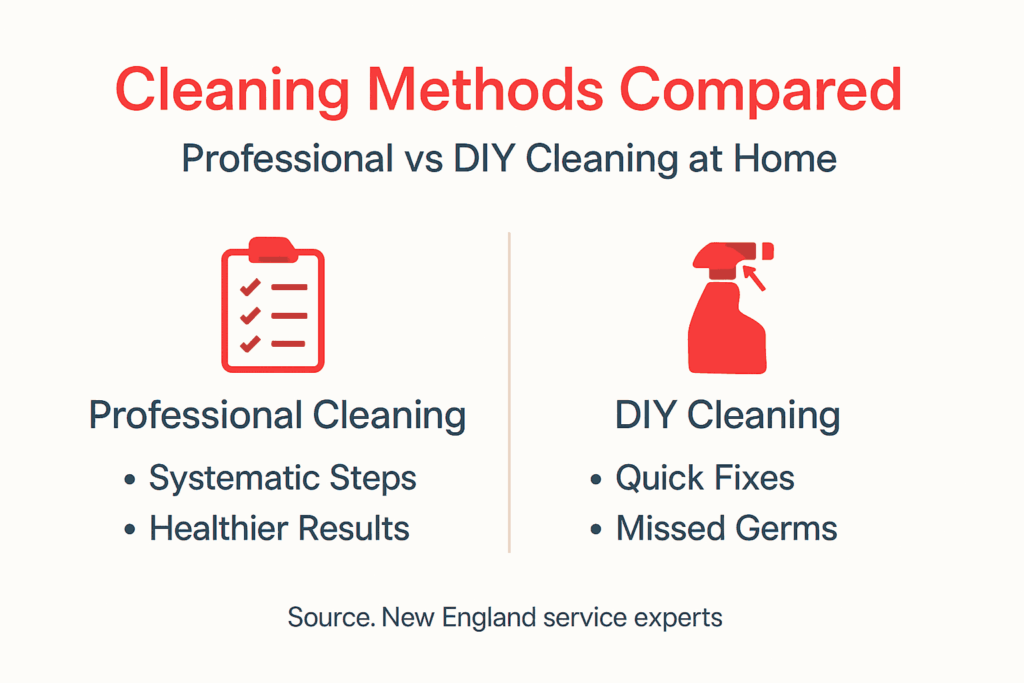
The Hidden Costs of DIY Cleaning
Doing it yourself requires more than just elbow grease. You’re buying multiple products, cleaning equipment, and investing significant time.
The real expenses include:
- Multiple specialty products for different surfaces and tasks
- Equipment purchases: vacuum cleaners, mops, scrub brushes, pressure washers
- Your personal time valued at your hourly rate
- Potential property damage from incorrect product use
- Health costs from chemical exposure and stress
- Incomplete results requiring repeated attempts
Most homeowners spend 6-10 hours monthly on cleaning, worth hundreds of dollars. Professional services cost less than the hourly value of your time.
Health Risks of DIY Cleaning Products
Conventional household cleaners contain chemicals designed to be effective, not necessarily safe for regular home use. Household cleaning products contain volatile organic compounds and toxic chemicals that create genuine health risks when improperly used.
These risks include:
- Respiratory irritation and exacerbation of asthma
- Skin allergic reactions and dermatitis
- Eye and mucous membrane irritation
- Long-term exposure effects that accumulate over years
- Particular danger for children and elderly family members
You’re breathing fumes while cleaning and for hours afterward as chemicals off-gas from surfaces.
Why DIY Methods Fall Short
DIY cleaning often looks clean without actually being clean. You might remove visible dirt while leaving bacteria, allergens, and pathogens behind.
DIY cleaning lacks professional training on proper chemical use and disinfectant dwell times that actually eliminate germs. Most homeowners spray disinfectant and immediately wipe it away, removing it before it can work. Professional cleaners understand contact time requirements and apply products correctly.
Additionally, DIY efforts often recontaminate cleaned areas by working from dirty to clean spaces rather than systematically progressing through the home.
The Durability Problem
DIY cleaning produces temporary results. Surfaces look clean for a few days, then dust and grime accumulate faster because improper technique leaves residue attracting dirt.
Professional cleaning lasts longer because the work is done right. Your home stays cleaner between appointments, reducing stress and allergen exposure.
Safety and Property Damage Risks
Mixing certain household chemicals creates toxic gas. Using wrong products on natural stone, hardwood, or delicate surfaces causes permanent damage.
You might save money on the service but spend thousands replacing damaged flooring or countertops. Professional cleaners have insurance and understand what products work on every surface type.
Professional cleaning costs less than your time value, eliminates health risks from chemical exposure, and delivers results that actually last—making it the economically rational choice.
Pro tip: Calculate your hourly wage and multiply by the time you spend cleaning monthly, then compare that cost to professional service pricing—you’ll likely find professional cleaning is more affordable than you thought.
Experience True Health and Peace of Mind with Professional Cleaning
The challenges of maintaining a truly clean and safe home go far beyond quick fixes and DIY methods. As highlighted in the article, professional cleaning delivers science-based disinfection, proper contact time, and expert techniques that eliminate allergens and pathogens while protecting your surfaces. If you want lasting improvement in your home environment without risking surface damage or health hazards, trusted services are the answer.
Discover how Nu-England Services can help your New England home feel fresher and healthier through expert solutions like Upholstery Cleaning – Nu-England Services and Grout Cleaning – Nu-England Services.
Don’t wait until allergens or hidden contaminants take hold. Visit https://nes-co.com now to explore our comprehensive professional cleaning offerings grounded in over 50 years of local expertise and eco-conscious care. Request your free quote today and take the first step toward a safer, cleaner home your family deserves.
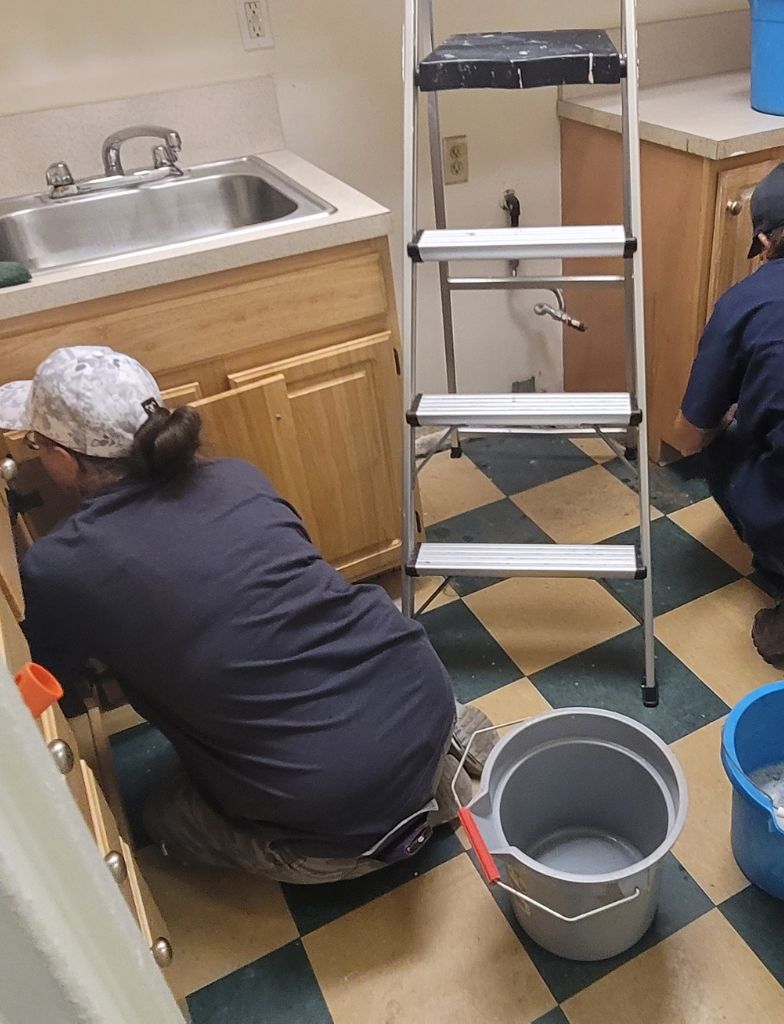
Frequently Asked Questions
What are the benefits of professional cleaning for health?
Professional cleaning effectively removes dirt, bacteria, and allergens, significantly reducing health risks and improving indoor air quality.
How does professional cleaning differ from DIY cleaning?
Professional cleaning employs science-based methods, proper product selection, and systematic approaches to ensure thorough cleaning, while DIY cleaning often falls short in effectiveness and safety.
Why is it important to follow proper contact time with disinfectants?
Proper contact time allows disinfectants to effectively kill germs and bacteria, something many DIY methods overlook when products are wiped off too quickly.
What types of cleaning services are available for homes?
Common professional cleaning services include regular housekeeping, deep cleaning, specialty services (like carpet cleaning), and restoration services for damage recovery.
