
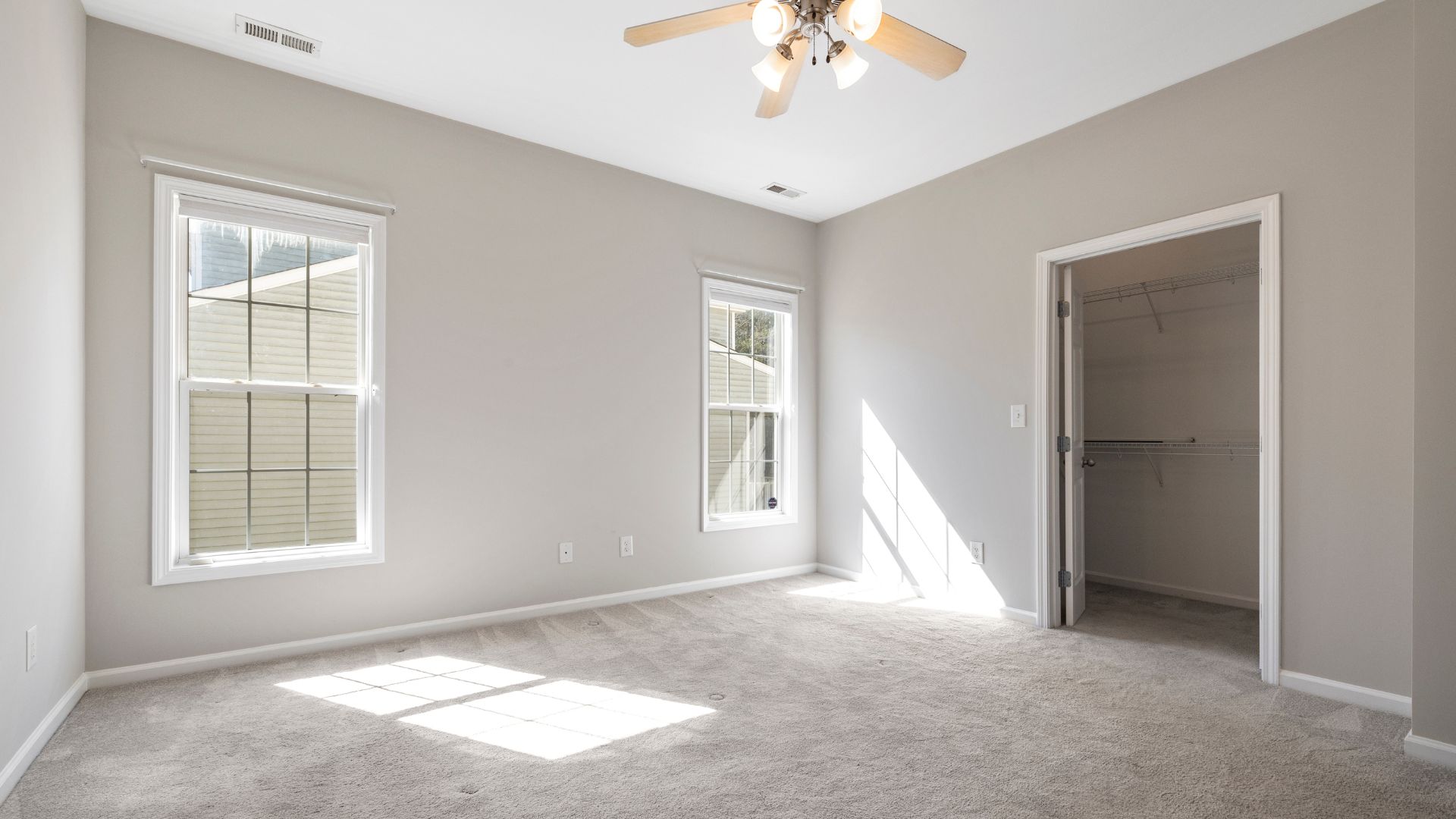
Fall is a great time for a carpet replacement for New England homeowners. Mild, stable temperatures make ventilation easier, installers have more open calendar slots before the holiday rush, and swapping out old carpet now means clean floors before guests arrive. The payoff is better indoor air and a smoother install than you’d get fighting summer humidity or winter cold.
TL;DR:
- Replacing carpet in fall benefits from stable temperatures that ensure proper adhesive curing and reduce the risk of installation failures.
- Homeowners should consider replacing carpet exposed to water intrusion or mold, as these can serve as reservoirs for microbial growth and indoor air pollutants.
- Planning early in the fall helps secure preferred installation dates, avoid holiday delays, and prevent supply shortages that occur later in the season.
- Selecting low-VOC, AirPlus-compliant carpets and cushions ensures better indoor air quality during the cooler months when ventilation is limited.
- Proper home preparation and post-installation ventilation are crucial for smooth installation and minimizing off-gassing issues.
Table of Contents
Why Should Homeowners Replace Their Carpet in the Fall?
Temperature and timing do most of the heavy lifting here. Carpet adhesives cure best in moderate conditions, and fall in most of New England delivers exactly that: not so hot that glue sets too fast, not so cold that it won’t set at all.
A few concrete reasons fall wins out over other seasons:
- Stable, mild temperatures reduce moisture buildup during installation, which lowers the risk of adhesive failure or rippling.
- Contractor schedules loosen up after the summer remodeling crunch, so you’re more likely to get your preferred install date without a long wait.
- Holiday timing works in your favor. Replacing carpet in October or early November means fresh floors before Thanksgiving and December guests show up, a pattern retail and design trend reporting confirms is common among homeowners prioritizing warmth and comfort in living spaces before hosting season.
- Lower pollen counts in many regions mean less immediate recontamination of new carpet fibers right after installation, giving new carpet a cleaner start.
None of these factors is dramatic on its own. Stacked together, they’re why fall consistently outperforms summer and winter for carpet projects.
Does Old Carpet Actually Hurt Your Indoor Air Quality?
Yes, and the mechanism is straightforward: carpet fibers trap what lands on them. Dust, pollen, pet dander, and mold spores all settle into carpet pile over time, and if that carpet has ever been exposed to moisture or a slow leak, it can become an actual reservoir for microbial growth, according to the EPA. That’s not a cleaning problem anymore. That’s a replacement problem.
Key signal: if carpet has experienced water intrusion, mold growth, or repeated flooding, the EPA’s guidance points toward removal rather than repeated cleaning attempts, since moisture-damaged materials often can’t be fully remediated in place.
Watch for these practical signposts that cleaning won’t fix:
- Persistent musty odors that return within days of cleaning
- Allergy or asthma symptoms that flare specifically indoors
- Visible mold spots, especially near baseboards or in basements
- Stains or discoloration that survive multiple professional spot treatments
If you’re replacing because of health concerns, don’t undo the benefit by installing carpet that off-gasses heavily. Choose products that meet Indoor AirPlus VOC emission limits under CDPH Standard Method V1.2, and plan to ventilate the space for 48 to 72 hours after install.
What Should You Expect During a Fall Carpet Installation?
Weather is your ally here, not your obstacle. Adhesives and stretch-in installations both depend on controlled humidity and moderate temperature, and fall gives you both without the extremes that summer humidity or winter dryness bring. The Carpet and Rug Institute’s installation standards specify site conditions that installers should meet before laying carpet, and fall conditions make hitting those benchmarks far easier than in July or January.
Here’s a simple sequence for the install window itself:
- Before install day, confirm your installer plans to check subfloor moisture and ambient temperature against CRI recommendations.
- During installation, keep windows cracked when weather allows and run your HVAC fan to circulate air, following EPA remodeling air quality guidance.
- For 48 to 72 hours after, maximize fresh air exchange and continue running your HVAC system to clear adhesive and material off-gassing.
- Coordinate other trades (painters, furniture delivery) around the install so foot traffic on new carpet stays minimal in the first days.
Pro Tip: Ask your installer directly whether they follow CRI 104 and CRI 105 site condition standards. Skipping this step is one of the most common reasons installations fail early or warranties get denied.
How Much Does Fall Timing Affect Cost and Scheduling?
Booking early in the fall season, rather than waiting until October or November, gives you the best shot at your preferred install date. Demand climbs as the holidays approach, and material lead times can stretch if you wait too long.
A few scheduling and budget factors worth weighing:
- Square footage and pad quality drive most of your material cost, more than the carpet fiber choice itself.
- Removal and disposal fees for old carpet often get bundled into quotes, but confirm this upfront.
- Measurements should happen early. Booking a measurement visit in early September gives you room to order materials before supply gets tight.
- Bundling projects like carpet and adjacent flooring can save on labor, but only if your installer’s schedule allows both without delaying either one.
School schedules and holiday hosting dates are worth mapping against your install window too, since both affect how much disruption you’re willing to tolerate mid-project.
Which Carpet and Pad Choices Make Sense for Fall?

The carpet you choose matters as much as the timing. Low-VOC carpets and cushions that meet Indoor AirPlus and CDPH criteria reduce the chemical load your home absorbs right after install, which matters most in fall when you’re relying on ventilation rather than open windows in freezing weather.
Consider these selection factors before you buy:
- Fiber type matters by household. Homes with pets or kids generally do better with solution-dyed nylon or polyester blends that resist staining, while bedrooms can prioritize softness over stain resistance.
- Pad thickness affects comfort and cost. Thicker padding adds insulation and warmth for cooler months, but it raises the price and can affect how furniture sits.
- Room-by-room choices matter. High-traffic hallways and living rooms need denser, more resilient fiber than a guest bedroom used a few nights a year.
- Ask about warranties and testing. Confirm the retailer can show CDPH or Indoor AirPlus compliance documentation, not just a verbal assurance.
Getting this part right up front saves you from a comfortable-looking carpet that mats down or off-gasses more than expected. For a deeper look at how different fibers perform, see this breakdown of carpet fiber types for homeowners.
How Do You Prepare Your Home Before and After Installation?
Preparation determines how smoothly install day goes and how quickly your indoor air clears afterward.
- Before installation, clear the rooms completely, move valuables and electronics out of the work zone, and confirm with your installer that site conditions (temperature, humidity, subfloor moisture) meet CRI standards.
- During installation, keep doors and windows ventilated when weather permits, restrict foot traffic to the work crew, and protect adjacent flooring or trim from dust and debris.
- After installation, run your HVAC system and open windows when practical for 48 to 72 hours to clear off-gassing, and hold off on placing heavy furniture back until your installer confirms it’s safe.
- Schedule your first professional cleaning according to manufacturer guidance, and ask your installer about CARE-affiliated recycling programs for your old carpet instead of sending it straight to a landfill.
Why Fall Installs Have Worked So Well for Homeowners We’ve Served
Fall installs have consistently been reported as smooth jobs, benefitting from mild weather that makes ventilation practical and timing that allows carpets to be in place before the holidays without summer-related backlogs. Experienced flooring professionals in New England have observed that pattern holds year after year.
Ready to Book Your Fall Carpet Replacement?
Professional carpet service providers handle the full arc of a fall carpet project: measurement, installation, and cleaning that helps maintain new floors’ performance. This offers a practical advantage over coordinating separate installers and cleaners, by ensuring adherence to CRI site standards and post-install ventilation practices that help protect warranties and floor quality.

Our technicians follow CRI-aligned installation practices to avoid the rippling and adhesive failures that come from skipping site-condition checks, and we schedule the first professional cleaning to match manufacturer guidance so your new carpet holds up. If your current carpet is showing wear, stains, or that musty smell that won’t go away, request a quote for carpet installation or ask about professional carpet cleaning to see whether cleaning or replacement makes more sense for your floors this fall.
FAQ
Is Carpeting Out of Style in 2026?
No. Carpet remains a preferred choice for bedrooms and living areas, especially heading into fall and winter when homeowners prioritize warmth and comfort, according to design trend reporting. Texture-rich, comfort-focused carpet styles are especially popular for fall refreshes ahead of holiday hosting.
What Is the Average Lifespan of Carpet in a Home?
Carpet lifespan depends heavily on foot traffic, fiber type, and maintenance habits, with high-traffic areas wearing out faster than low-traffic bedrooms. Routine vacuuming and periodic professional cleaning help extend that lifespan, while matting, crushing, and filtration soiling are signs that replacement is approaching regardless of exact age.
Is 20-Year-Old Carpet Unhealthy?
Carpet that old has likely absorbed years of dust, allergens, and potentially moisture exposure, which can make it a reservoir for microbial growth if it’s ever gotten wet. The EPA notes that water-damaged or heavily soiled carpet is often better removed than cleaned, especially at that age.
How Often Should a Homeowner Replace Carpet?
There’s no single fixed timeline, since wear depends on traffic, pets, and maintenance, but persistent odors, visible mold, or repeated failed spot cleanings are reliable signs it’s time. Many homeowners choose fall specifically because mild weather and lighter contractor schedules make replacement easier to plan and execute before winter sets in.
