
Most people think cleaning is simply a matter of applying a product, wiping a surface, and moving on. But one of the biggest differences between a quick clean and a professional-quality result comes down to something much simpler: keeping clean water and dirty water separate.
That is the idea behind the two-bucket cleaning system. It is a method professional cleaners, floor-care technicians, and auto detailers have used for years because it helps prevent cross-contamination, improves results, and makes cleaning more efficient. Instead of repeatedly dipping a mop, cloth, or wash mitt into the same dirty water, one bucket holds the clean cleaning solution while the other is used to rinse away the soil that has already been removed.
It works for far more than floors. From routine home cleaning to commercial janitorial work, vehicle washing, and even the old-fashioned process of hand-washing dishes, the principle is the same: do not put dirt back where you just cleaned it.
The simple rule: one bucket is for clean wash solution; the other is for rinsing dirt, debris, and residue from your cleaning tool before returning it to the clean solution.
Table of Contents
What is the two-bucket cleaning system?
The two-bucket system is exactly what it sounds like: a cleaning process that uses two separate buckets instead of one.
- Bucket one: Clean water mixed with the appropriate cleaning solution for the surface.
- Bucket two: Plain rinse water used to release dirt, grit, hair, and other debris from the mop, microfiber cloth, sponge, or wash mitt.
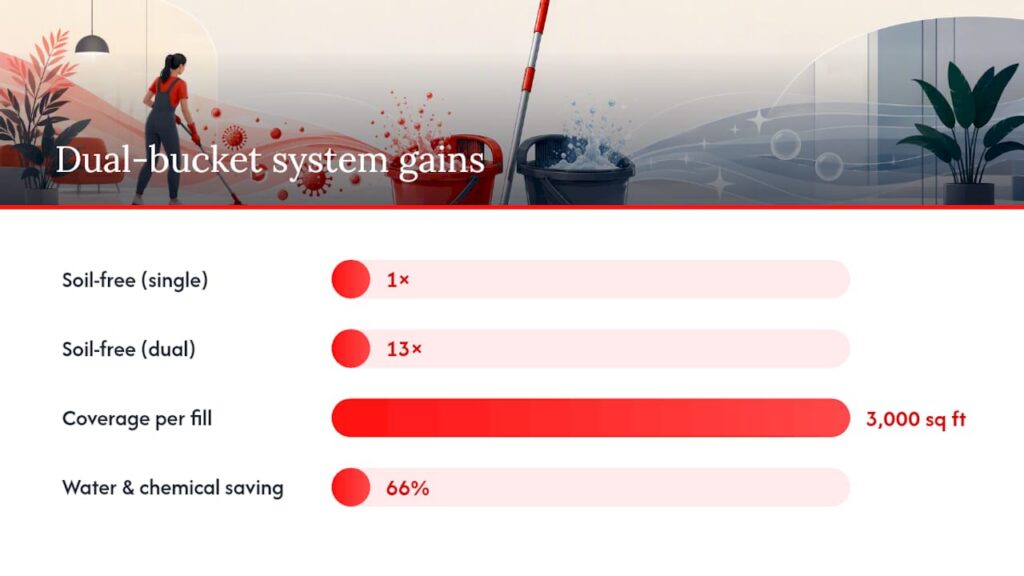
With a traditional one-bucket method, the cleaning tool is dipped into the same solution over and over. After the first pass across a dirty floor or surface, that bucket begins collecting soil. Each additional dip can transfer some of that loosened dirt back onto the mop or cloth, which means it may be spread across the next area being cleaned.
The two-bucket method interrupts that cycle. You clean an area, rinse the dirty tool in the rinse bucket, wring it out, and then reload it with fresh cleaning solution from the clean bucket. The result is a cleaner tool, cleaner solution, and a more consistent finish from beginning to end.
Why one-bucket cleaning can leave dirt behind
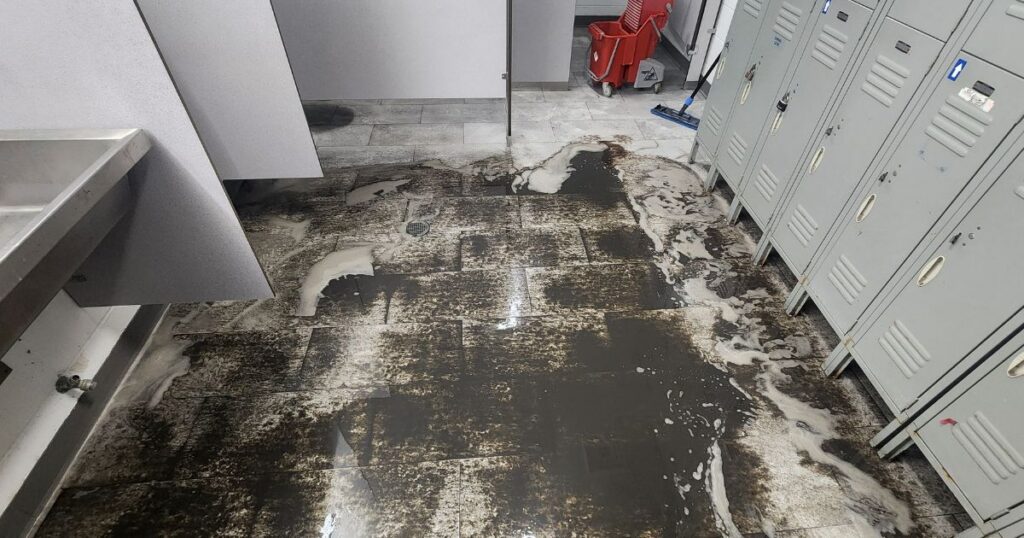
A single bucket may seem easier, especially for a small cleaning job. The issue is that the water quickly becomes a mixture of cleaning solution, loosened dirt, oils, hair, food residue, dust, and whatever else was on the surface.
Once that happens, the cleaning process becomes less effective. You may still remove visible grime, but you can also leave behind a dull film or spread contaminants into areas that started out cleaner.
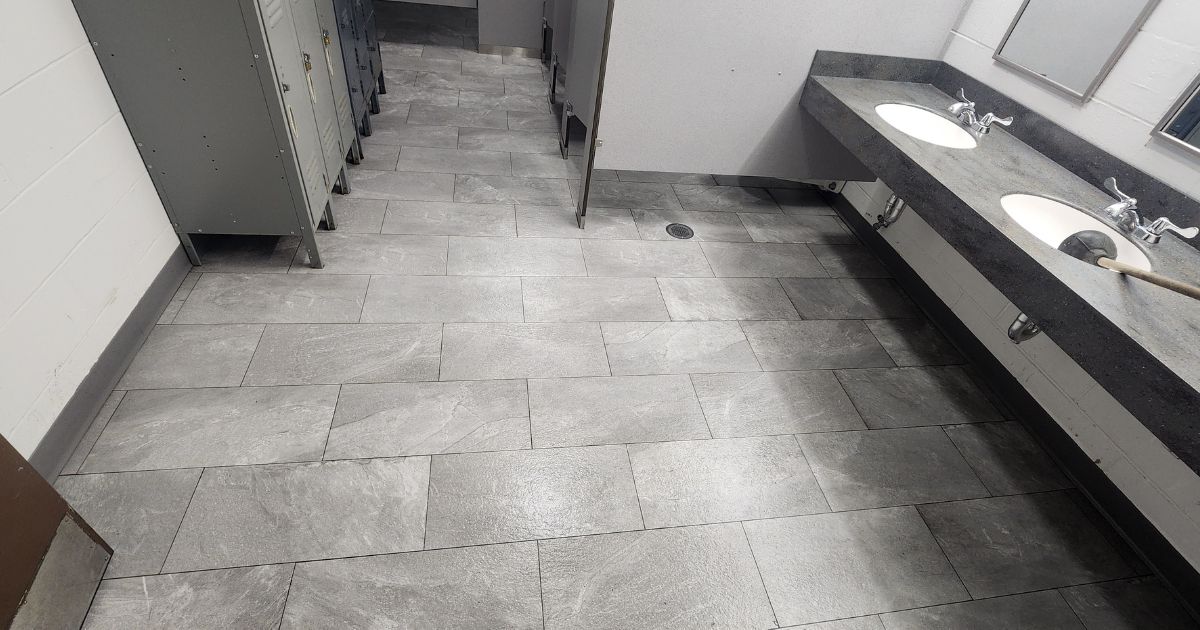
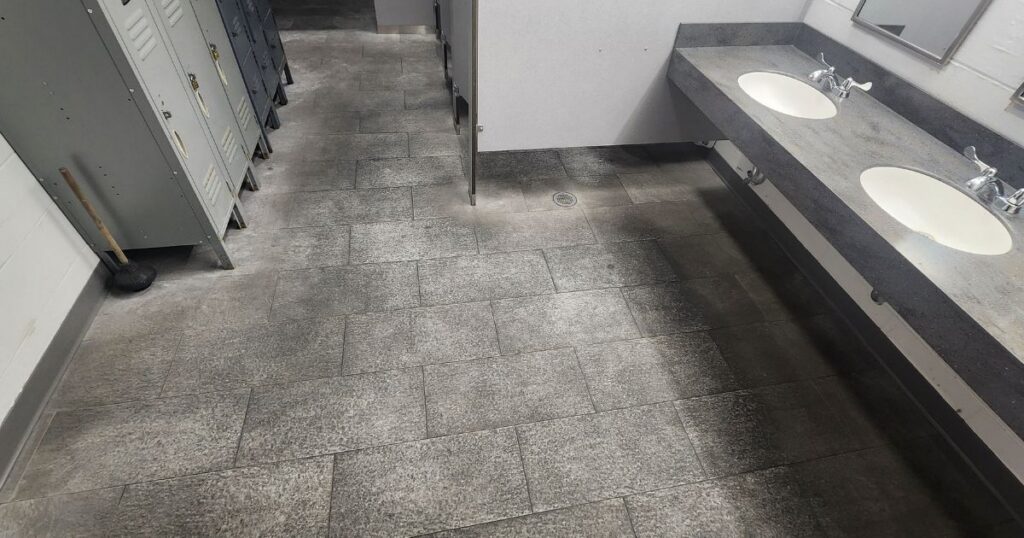
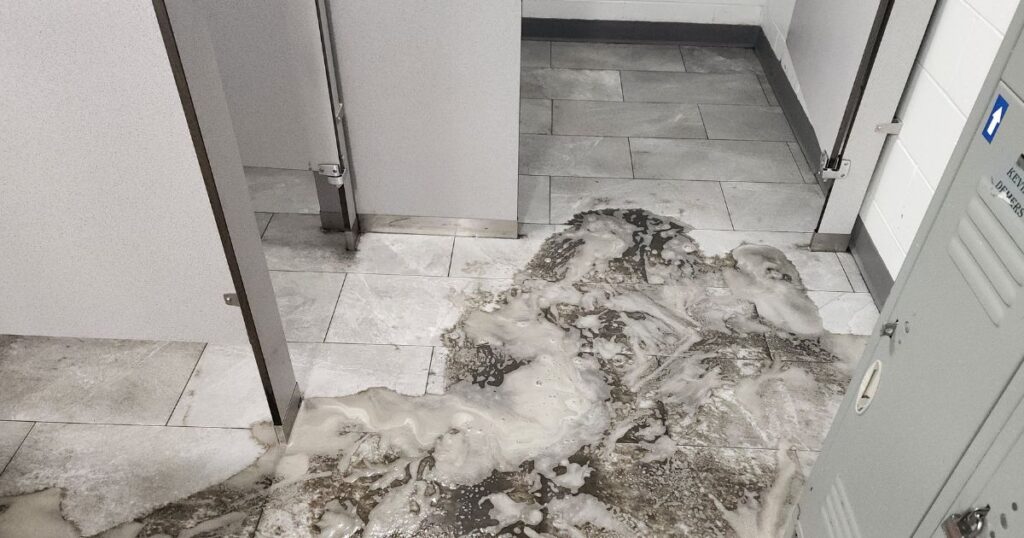
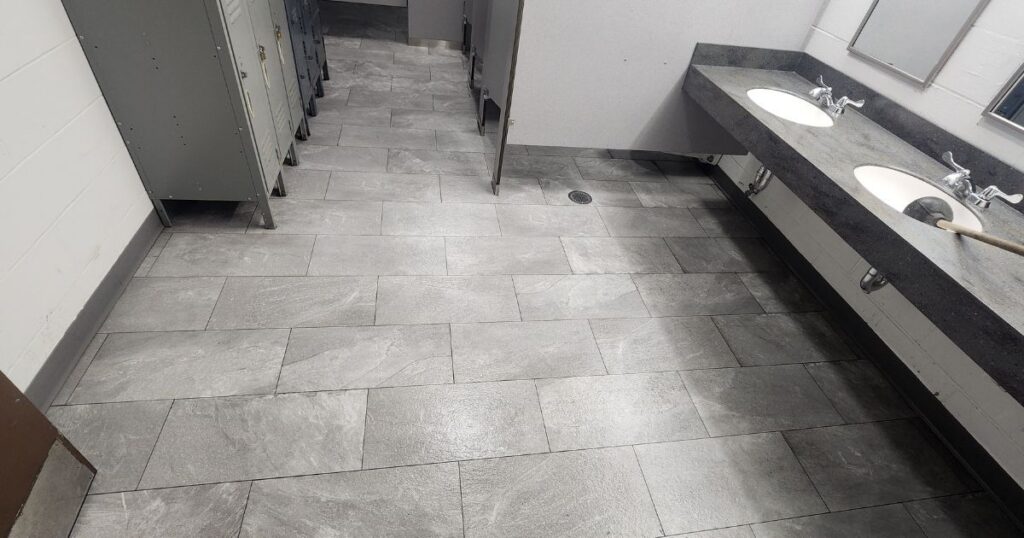
This is especially noticeable on hard-surface floors. A floor may look clean while it is still drying, but after the water evaporates, leftover soil can leave streaks, haze, or a tacky feeling underfoot. On darker flooring, it can also create the frustrating appearance of mop marks or cloudy residue.
The real benefit is consistency. By keeping dirty rinse water away from the cleaning solution, every pass starts with a cleaner mop or cloth than it would in a one-bucket setup.
How professional cleaners use the two-bucket method
Professional cleaning teams do not use a two-bucket system just because it is traditional. They use it because it helps them clean larger spaces faster without sacrificing quality.
At Nu-England Services, cleaning methods are selected based on the surface, the soil level, the type of facility, and the desired result. The two-bucket method is particularly useful during routine floor cleaning and detailed maintenance work because it helps prevent dirt from being redistributed across the area.
For example, a professional cleaner may use the system to:
- Mop tile, vinyl, laminate, sealed wood, and other hard-surface flooring
- Clean baseboards, doors, walls, and trim with microfiber cloths
- Wipe down counters, cabinets, and other durable surfaces
- Clean high-touch areas in homes, offices, schools, and commercial facilities
- Wash windows, glass, or other surfaces where streak-free results matter
- Separate cleaning tools used in different areas, such as kitchens, bathrooms, and entryways
The goal is not simply to make a surface look better for the moment. It is to remove soil efficiently while reducing the risk of cross-contamination between rooms, surfaces, or work areas.
How to mop a floor with two buckets
The two-bucket mopping process is easy to learn and can make a noticeable difference in the way floors look and feel after cleaning.
Step 1: Prepare the floor
Start by removing loose debris. Sweep, vacuum, or dust mop the floor before using any liquid. Dirt, sand, pet hair, and grit can turn into muddy residue when mixed with water, and abrasive particles can be dragged across certain flooring surfaces.
Step 2: Fill the clean bucket
Add water and the proper amount of cleaning solution to the first bucket. Always use a product that is compatible with the flooring material. A cleaner that works well on ceramic tile may not be appropriate for hardwood, natural stone, luxury vinyl, or specialty flooring.
Step 3: Fill the rinse bucket
Fill the second bucket with clean water only. This is where you will rinse the mop after each section of the floor. Clearly label the buckets, use different-colored buckets, or position them consistently so they do not get mixed up.
Step 4: Mop in sections
Dip the mop into the clean solution, wring it out well, and clean one manageable section of the floor. Avoid oversaturating the surface, particularly with wood flooring, laminate, luxury vinyl, and floors with seams or edges that could be affected by excess moisture.
Step 5: Rinse the mop before reloading
After cleaning that section, place the mop in the rinse bucket. Agitate it to release dirt and debris, then wring it out thoroughly. Once the mop has been rinsed, dip it back into the clean solution and move on to the next section.
Step 6: Change water when needed
Even with two buckets, water eventually becomes too dirty to be effective. If the rinse bucket becomes heavily soiled, empty and refill it. If the clean solution becomes cloudy or loses its effectiveness, replace it as well.
Pro Tip: Work from the farthest part of the room toward the exit. This helps prevent walking across freshly mopped areas and reduces the chance of leaving footprints behind.
Using the two-bucket system for everyday cleaning
The method is not limited to mopping. Once you understand the clean-water and dirty-water concept, it can be applied to many parts of a home or business.
Kitchen cleaning
When cleaning counters, cabinet faces, appliance exteriors, or durable backsplashes, use one bucket for cleaning solution and another for rinsing microfiber cloths. This is particularly helpful when dealing with grease, food residue, or dried spills that can quickly soil a cloth.
Bathroom cleaning
Bathrooms are another place where separating clean and dirty water matters. Use dedicated cloths and tools for bathroom areas, and avoid transferring cleaning water from toilets, floors, or shower surrounds to sinks, counters, and fixtures.
Walls, doors, and trim
High-touch surfaces collect fingerprints, dust, oils, and grime over time. A two-bucket setup allows a cleaner to rinse the cloth frequently while maintaining a fresh cleaning solution for doors, trim, light switches, and other detailed areas.
Commercial and office cleaning
In offices, retail spaces, schools, and other commercial environments, the system can help cleaning crews work efficiently across larger square footage. Keeping the solution cleaner for longer is especially valuable in lobbies, hallways, break rooms, and other high-traffic areas where floors and surfaces soil quickly.
What car washing can teach us about cleaner surfaces
The two-bucket method is widely known in the auto detailing world, and for good reason. When washing a vehicle, dirt and grit can become trapped in a wash mitt. If that dirty mitt goes back into the soap bucket, those particles can be picked up again and rubbed across the paint during the next pass.
That is why detailers use one bucket with car wash soap and another with plain rinse water. After washing one section of the vehicle, they rinse the mitt in the rinse bucket before returning it to the soapy water. Many also use grit guards at the bottom of the buckets to help keep heavier debris away from the mitt.
The goal is to reduce the risk of dragging abrasive particles across the finish, which can contribute to swirl marks and fine scratches. The same basic principle applies to cleaning floors: soil that has already been removed should stay out of the clean solution.
Of course, vehicles require products specifically formulated for automotive finishes. Dish soap and general household cleaners should not be used as a substitute for pH-appropriate car wash products, because they can strip protective coatings or affect the finish over time.
Common mistakes to avoid
The two-bucket method is simple, but a few common mistakes can reduce its effectiveness.
- Using too much cleaning product: More solution does not always mean better cleaning. Excess product can leave residue, attract dirt, or create streaking.
- Skipping the pre-clean: Sweeping or vacuuming first removes loose debris that can otherwise turn into muddy water or scratch certain surfaces.
- Not changing dirty water: The rinse bucket is meant to collect soil. Empty it when it becomes visibly dirty.
- Using the wrong cleaner for the floor: Always follow flooring manufacturer recommendations, especially for natural stone, hardwood, luxury vinyl, and laminate.
- Overwetting floors: Too much water can damage some flooring materials and increase drying time.
- Using one tool everywhere: Reserve separate cloths, mop heads, and tools for kitchens, bathrooms, floors, and other cleaning zones when possible.
- Failing to clean the tools afterward: Rinse and dry mop heads, cloths, and buckets after each use to prevent odors, residue, mildew, and bacteria buildup.
When to call a professional cleaning company
The two-bucket system is an excellent technique for regular maintenance, but it cannot replace professional cleaning when floors, carpets, upholstery, or hard surfaces need deeper care.
Professional cleaning may be the right choice when you are dealing with:
- Heavily soiled floors or grout lines
- Sticky residue, wax buildup, or recurring haze
- Pet accidents, odors, or biological soils
- Carpet stains that return after DIY treatment
- Large commercial facilities with high traffic
- Post-construction dust and debris
- Specialty flooring that requires surface-specific care
Nu-England Services has provided professional cleaning, floor care, restoration, and specialty services throughout Central Massachusetts and New England since 1968. Our experienced team can help determine the best cleaning method for your home, office, flooring type, and level of soil.
Key Takeaways
| Point | Why It Matters |
| Separate clean and dirty water | It helps prevent removed soil from being transferred back onto floors and surfaces. |
| Use the method beyond floors | Two buckets can improve routine cleaning for kitchens, bathrooms, walls, trim, and other durable surfaces. |
| Choose products by surface type | The right cleaner helps protect flooring, finishes, and specialty materials from damage or residue. |
| Rinse tools frequently | A cleaner mop or cloth delivers more consistent results throughout the job. |
| Call professionals for deep cleaning needs | Heavy soil, specialty flooring, stains, and large facilities often need professional equipment and expertise. |
A simple system with professional-level benefits
The two-bucket cleaning system is not a complicated trick or a new product gimmick. It is a practical cleaning habit that helps preserve the purpose of your cleaning solution: lifting and removing dirt rather than moving it from one place to another.
Whether you are mopping a kitchen floor, cleaning high-touch surfaces around the house, maintaining an office, or washing a vehicle in the driveway, separating clean water from dirty rinse water can help you work smarter and achieve better results.
If your floors or surfaces need more than routine maintenance, contact Nu-England Services to request a quote. Our team can provide professional cleaning solutions designed for your specific home, business, flooring, and cleaning needs.
