
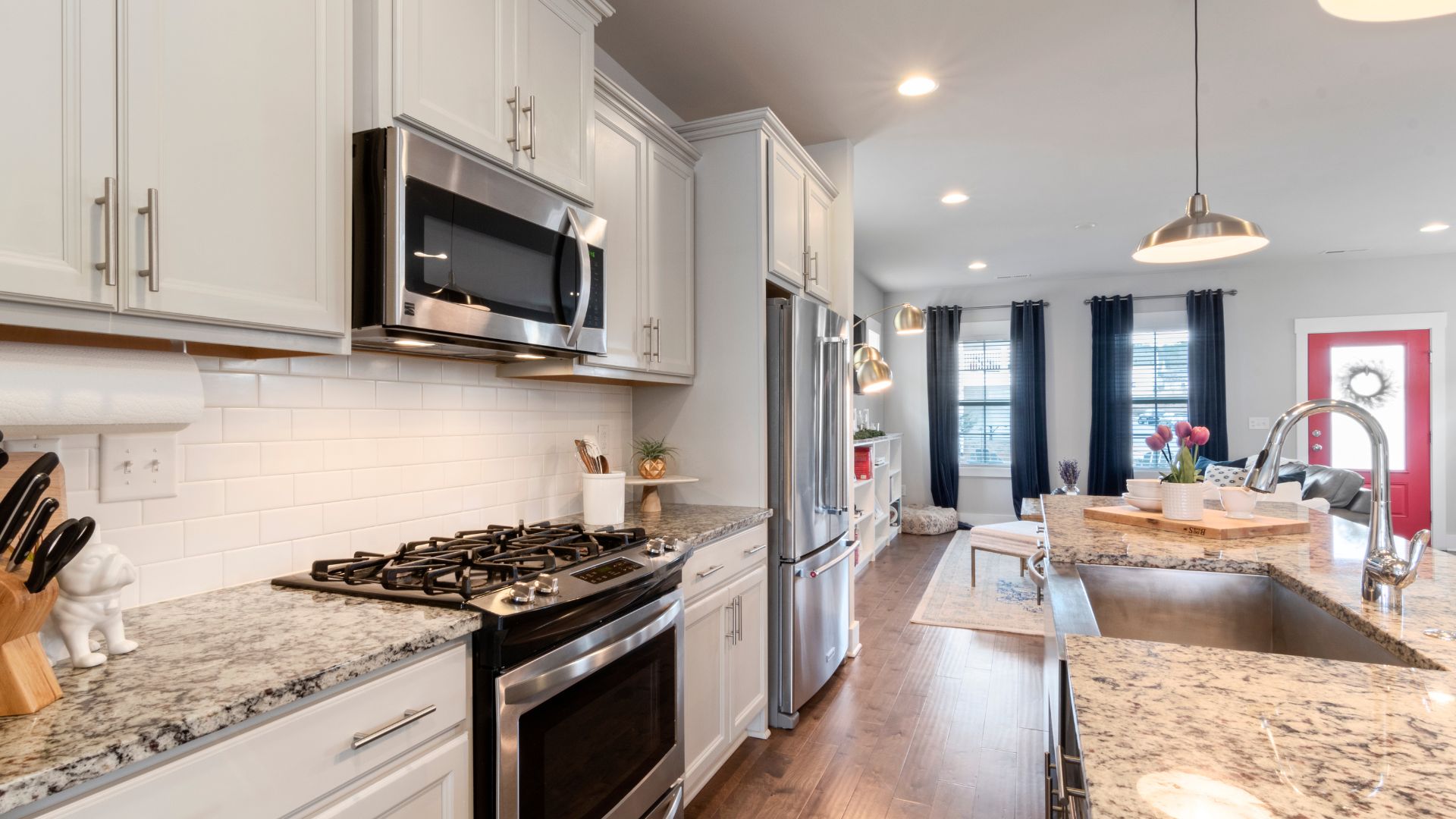
A regular clean maintains a home that’s already in decent shape. A deep clean resets one that isn’t. If you haven’t had a professional clean in three or more months, start with a deep clean, then move to regular maintenance every one to two weeks.
Here’s the short version of how they differ:
- Regular cleaning covers surface-level tasks: vacuuming, dusting, wiping counters, scrubbing toilets, and emptying trash. It keeps a tidy home tidy.
- Deep cleaning goes behind and beneath everything: inside the oven, under the refrigerator, grout lines, baseboards, ceiling fans, vents, and cabinet interiors. It’s a full reset.
- Frequency rule of thumb: regular cleaning weekly or biweekly; deep cleaning every three to six months, or sooner if the home has pets, kids, or heavy foot traffic.
A regular clean is maintenance. A deep clean is restoration. Most homes need both, just not at the same time.
Key Takeaways
A deep clean resets a home to a clean baseline; regular cleaning maintains that baseline on a weekly or biweekly schedule.
| Point | Details |
| Purpose difference | Regular cleaning maintains; deep cleaning restores. Use the right one for your home’s current condition. |
| Frequency guidance | Deep clean every 3–6 months; regular cleaning weekly or biweekly depending on household traffic. |
| Cost ratio | Regular cleaning runs $160+; deep cleaning typically costs $200–$400, roughly 1.5–2x more. |
| Disinfecting rule | Clean first, then disinfect only when someone is sick or high-touch surfaces need targeted treatment. |
| NES, Co. starting point | Book a deep clean with NES, Co. to establish a clean baseline, then schedule recurring regular visits to maintain it. |
Table of Contents
What does a regular cleaning actually include?
Regular cleaning, sometimes called a standard or maintenance clean, is exactly what it sounds like: keeping a clean home clean. It’s not designed to tackle buildup or neglected areas. It’s designed to prevent them.
A typical visit covers:
- Vacuuming carpets and hard floors
- Mopping hard-surface floors
- Dusting accessible surfaces (shelves, furniture tops, ceiling fans within easy reach)
- Wiping kitchen counters and the exterior of appliances
- Cleaning toilet bowls, sinks, and bathroom surfaces
- Scrubbing tub and shower walls (light scrub, not grout restoration)
- Emptying trash cans
- Spot-cleaning mirrors and glass
For a one- to two-bedroom home, a professional team typically finishes in 1.5 to 2 hours. A three-bedroom home usually runs 2 to 3 hours. Times can vary greatly depending on many factors such as the size of the team and how many people live in the home, etc. DIY takes longer, especially if you’re doing it solo, so budget an extra 30 to 60 minutes on top of those estimates.
When a regular clean is the right call: your home already had a deep clean within the past three to six months, traffic is light, and there’s no visible buildup on grout, baseboards, or inside appliances. You’re maintaining a baseline, not rebuilding one.
Stat to know: According to Angi, a standard cleaning typically costs $160+, making it a practical recurring expense for most households.
What does a deep cleaning include, room by room?
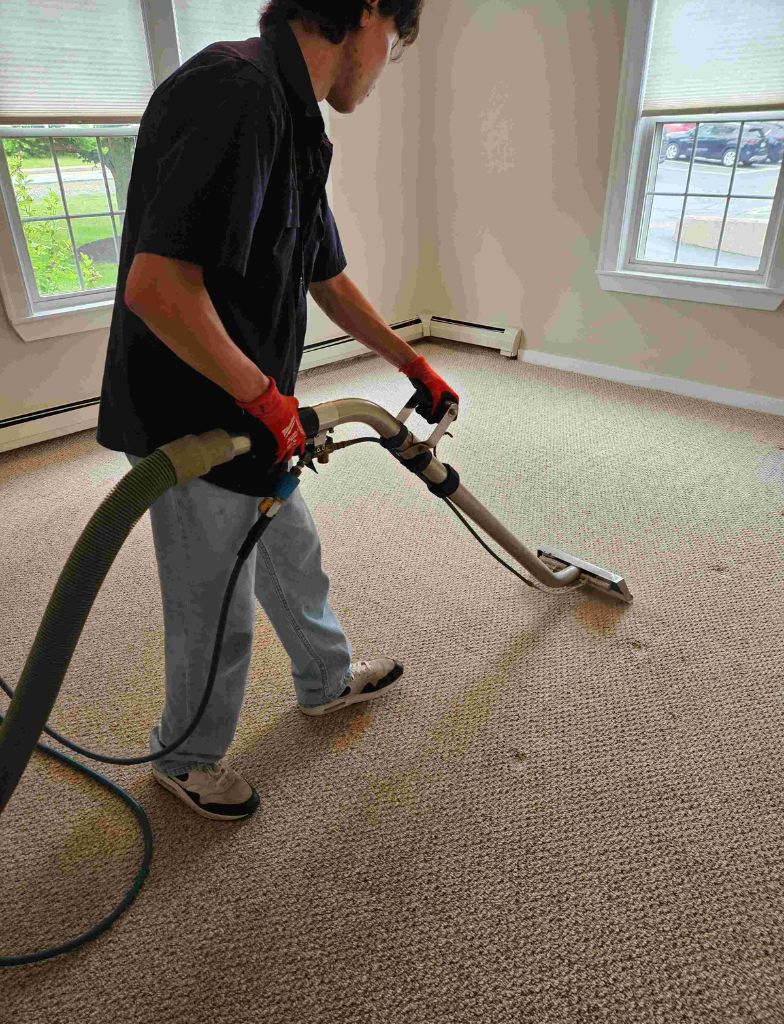
A deep clean resets a home to a near-spotless baseline by tackling everything a regular clean skips: inside appliances, grout lines, baseboards, vents, and the surfaces behind and beneath furniture. Think of it as the cleaning that makes all future cleanings faster and easier.
Kitchen
- Clean inside the oven, microwave, and refrigerator (including shelves and drawers)
- Degrease range hood and filters
- Wipe inside cabinets and drawers
- Scrub backsplash tile and grout
- Clean behind and under the refrigerator and stove
- Descale the sink and faucet
Bathrooms
- Scrub grout lines on tile walls and floors
- Remove and clean toilet tank lid; scrub under the rim
- Clean inside medicine cabinets and vanity drawers
- Descale showerheads and faucets
- Wipe baseboards and door frames
- Clean exhaust fan covers
Living areas and bedrooms
- Dust ceiling fans, light fixtures, and vents
- Wipe baseboards and window sills
- Clean behind and under furniture
- Wash or wipe light switch plates and outlet covers
- Vacuum upholstery and under cushions
- Clean window tracks and interior glass
Utility and laundry areas
- Wipe down washer and dryer exteriors and clean the lint trap housing
- Clean inside the dryer drum if accessible
- Dust water heater and utility shelving
For a three-bedroom home in average condition, a professional team of two typically needs 4 to 6 hours. A home that hasn’t been deep cleaned in a year or more can push that to 6 to 8 hours. Solo DIY in the same space? Plan a full weekend.
Pro Tip: Before the crew arrives, empty the cabinets and drawers you want cleaned inside. Tell the company upfront about any appliances with heavy grease buildup. Surprises on arrival slow the job and sometimes change the price.
Here’s a quick numbered checklist to prep your home before a deep clean:
- Clear countertops of small appliances and personal items.
- Empty the refrigerator shelves if inside-fridge cleaning is in scope.
- Move small furniture away from walls to give access to baseboards.
- Secure pets in a separate room or arrange for them to be elsewhere.
- Note any surfaces with known heavy grease, or damage and tell the cleaner before they start.
How do you decide between a deep clean and regular cleaning?
The decision usually comes down to one question: when did this home last get a thorough, top-to-bottom clean? If you can’t answer that confidently, you probably need a deep clean first.
Go with a deep clean if any of these apply:
- It’s been three or more months since a professional cleaned the home
- You’re moving in or out of a property
- There’s visible buildup on grout, baseboards, or inside appliances
- The home recently had construction, renovation, or a major event
- You’re preparing to list the home for sale or rent
- A household member has been seriously ill
- It’s the start of a new season and you want a professional spring cleaning reset
Stick with regular cleaning if:
- A deep clean was done within the past three to six months
- The home has light traffic (one or two adults, no pets)
- Surfaces are visibly clean and there’s no detectable odor or buildup
Three quick self-checks:
- Run your finger along a baseboard. Thick dust or grime? Deep clean.
- Open the oven. Baked-on residue? Deep clean.
- Look at the grout in your shower. Dark lines that don’t wipe off? Deep clean.
Industry guidance from Otesse recommends a deep clean every three months for high-traffic homes with pets or children, and every four to six months for most other households.
What does a deep clean cost compared to a regular clean?
Price ranges vary by region, home size, and condition, but national benchmarks give a useful starting point.
Angi’s consumer data puts regular cleaning at $160+ and deep cleaning at $200–$400 for most homes, with larger or heavily soiled homes reaching $450 or more.
Primary cost drivers:
- Home size: square footage is the biggest variable; more rooms mean more hours
- Condition: a home that hasn’t been cleaned in months takes significantly longer
- Number of bathrooms: bathrooms are labor-intensive; each additional one adds time and cost
- Add-ons: inside-appliance cleaning, grout restoration, interior cabinet cleaning, and carpet cleaning each carry separate charges
- Geographic location: rates in Boston or New York run higher than rural New England markets
- Team size: a two-person team cuts duration roughly in half but doesn’t always cut cost proportionally
For time, industry benchmarks put a regular clean at 1.5 to 3 hours for a three-bedroom home and a deep clean at 3 to 6 hours for the same space. However, time can vary greatly depending on the size of the team and other factors.
DIY tradeoffs: doing it yourself saves the labor cost but costs you a full day, plus the price of supplies. Microfiber cloths, a good scrub brush set, grout cleaner, degreaser, and a HEPA-filter vacuum can run $75 to $150 upfront if you don’t already own them. For a one-time deep clean, hiring a pro often makes more financial sense once you factor in your time. For ongoing regular cleaning, DIY is more defensible if you’re consistent.
Pro Tip: Always ask for an itemized written quote before booking. Add-ons like inside-appliance cleaning or grout scrubbing are often priced separately and can add $50–$150 to the total. Knowing the scope in writing prevents surprises on the day.
Should you hire a pro or do it yourself?
The right answer depends on your time, physical capacity, and what the home actually needs.
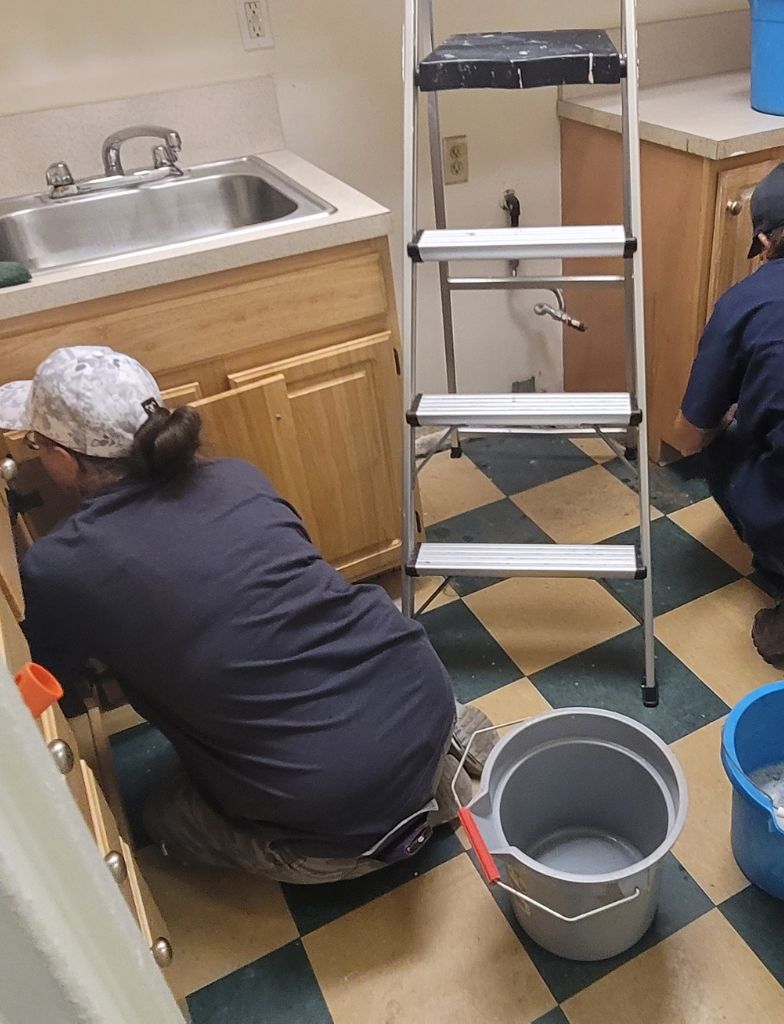
Reasons to hire a professional:
- Access to commercial-grade equipment (HEPA vacuums, industrial degreasers)
- Faster completion, especially for deep cleans
- Consistent results without the physical toll of scrubbing grout for four hours
- Liability coverage if something gets damaged
Questions to ask before booking a cleaning company
- Do you provide a written task list by room, or do I need to request one?
- Are your staff insured and bonded?
- Does your deep clean include inside appliances, or is that an add-on?
- How many people will be on the team, and how long do you estimate the job will take?
- What’s your policy if something is missed or damaged?
Prep checklist before the crew arrives
- Clear countertops and put away personal items
- Empty cabinets and drawers if inside cleaning is requested
- Secure pets or arrange for them to be off-site
- Point out any problem areas (heavy grease, fragile surfaces) before work begins
- Make sure there’s parking and clear access to all rooms
Pro Tip: Starting with a professional deep clean and then scheduling recurring regular visits is the most cost-effective long-term approach. Once a pro establishes a clean baseline, regular maintenance visits take less time and cost less per visit.
Cleaning vs disinfecting: what the CDC actually says
These two terms get used interchangeably, but they describe different actions with different purposes.
Cleaning removes dirt, dust, and most germs from surfaces using soap or detergent and water. It physically reduces the number of pathogens present. Disinfecting uses EPA-registered chemicals to kill germs that remain after cleaning. According to CDC guidance, cleaning always comes first. Disinfecting a dirty surface is less effective because organic matter interferes with the disinfectant’s ability to work.
When disinfection is warranted:
- A household member has been sick with a contagious illness
- High-touch surfaces (door handles, light switches, faucets) in shared spaces after an exposure event
- Bathrooms used by someone who is ill
When routine cleaning alone is sufficient: for most households on most days, CDC guidance confirms that regular cleaning of high-touch surfaces is enough to reduce transmission risk without the need for disinfectants.
The EPA notes that surface transmission risk for respiratory viruses is low, which means blanket disinfection of every surface is rarely necessary. Targeted disinfection of the surfaces that matter is the evidence-based approach.
Safe-use tips for disinfectants:
- Always clean the surface first before applying a disinfectant
- Follow the product’s contact time (the label specifies how long it must stay wet to work)
- Ventilate the room during and after use
- Wear gloves; avoid mixing products
- For porous surfaces like rugs and upholstery, disinfectants are less effective — clean first, then launder or use an EPA-approved product rated for porous materials
Pro Tip: Don’t skip the contact time. Most homeowners spray and immediately wipe, which means the disinfectant never had a chance to work. Check the label — most require 30 seconds to 4 minutes of wet contact time.
What experienced cleaners see that homeowners miss
Most homeowners underestimate what a deep clean actually involves. The expectation that a thorough top-to-bottom clean of a three-bedroom home can be done in 90 minutes is the most common source of disappointment, and it usually leads to a job that’s rushed and incomplete.
At Nu-England Services, which has been doing this since 1968, the pattern is consistent: homes that haven’t had a professional clean in six months or more need a deep clean first, full stop. Not because a regular clean is inadequate, but because a regular clean isn’t designed to remove the buildup that’s accumulated. Sending a maintenance crew into a home that needs a reset is like asking someone to dust around a mess instead of clearing it.
The other mistake: not emptying cabinets when the scope includes interior cabinet cleaning. A cleaner who arrives to find full cabinets either skips them (and the homeowner is disappointed) or spends 20 minutes relocating items (and the homeowner pays for that time). Prep matters.
One operational point worth knowing: a deep clean followed by recurring regular visits is the most cost-effective structure. The deep clean establishes a baseline. Every regular visit after that is faster and cheaper because the cleaner isn’t fighting buildup. Over a year, that structure costs less than sporadic deep cleans with no maintenance in between.
NES, Co. deep cleaning services for New England homeowners
Nu-England Services has been cleaning New England homes since 1968, and the scope of what they offer goes well beyond a standard wipe-down. A deep clean through NES, Co. covers the full room-by-room reset: inside appliances, grout, baseboards, vents, cabinet interiors, and behind furniture. Common add-ons include carpet cleaning, move-in/out packages, and post-construction cleanup.
