
TL;DR:
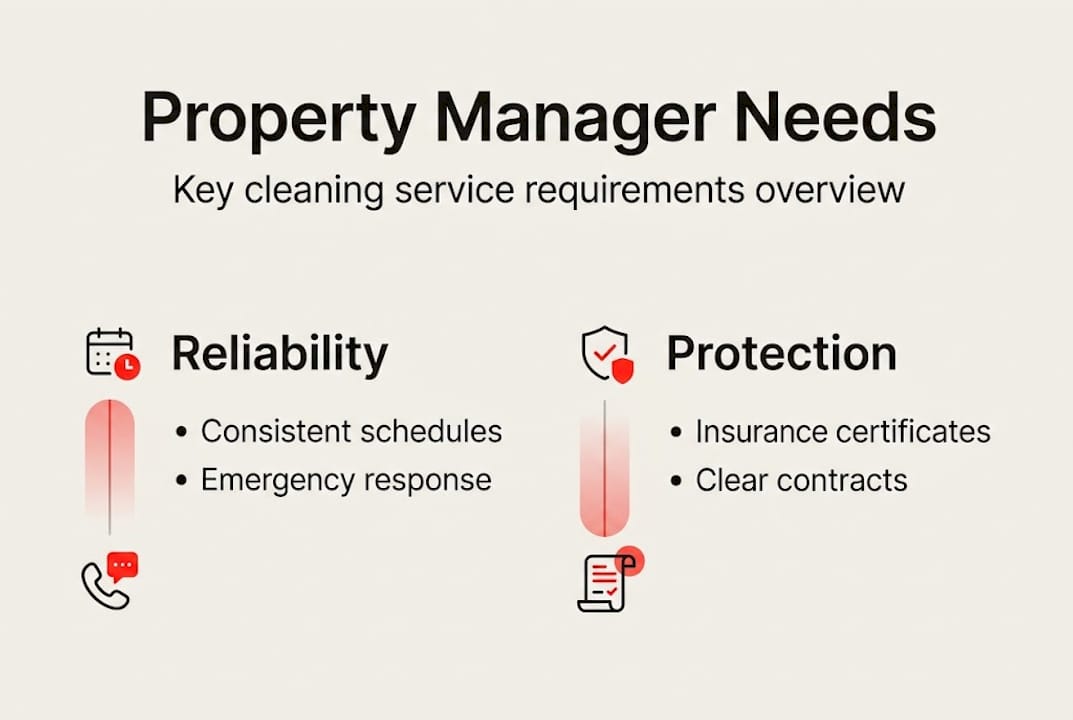
- Reliability and consistency are crucial for maintaining tenant satisfaction and property value.
- Proper insurance coverage and clear protocols protect against liabilities and emergencies.
- Flexibility and proactive communication ensure effective management of unexpected issues and special events.
One vacant unit costs more than a year of quality cleaning, yet many property managers in New England still gamble on unreliable or underinsured vendors to save a few dollars each month. The results are predictable: tenant complaints pile up, lease renewals drop, and emergency cleanup bills arrive at the worst possible times. Choosing the right commercial cleaning partner is not a luxury decision. It is a core part of protecting your property’s value, keeping tenants satisfied, and running a building that practically manages itself. This guide covers everything you need to evaluate, from insurance and flexibility to pricing and proven cleaning routines.
Table of Contents
Key Takeaways
| Point | Details |
|---|---|
| Reliability is non-negotiable | Consistent cleaning schedules minimize tenant complaints and simplify property oversight. |
| Insurance protects everyone | Comprehensive coverage prevents costly legal and property risks for managers and tenants. |
| Flexibility ensures readiness | Adaptable cleaning services handle emergencies and special events without contract hassles. |
| Clear communication builds trust | Rapid responses and reporting help prevent issues before they escalate. |
| Quality beats low cost | Transparent pricing delivers long-term value and happier tenants compared to cheap shortcuts. |
Why reliability and consistency matter most
When you manage multiple buildings across Massachusetts or the broader New England region, you simply cannot afford to wonder whether your cleaning crew showed up this morning. Reliability is the single most important quality to evaluate before signing any service contract. A vendor who misses a scheduled visit leaves your lobby dirty, your restrooms unattended, and your tenants frustrated before the workday even begins.
Consistent, reliable cleaning schedules with no unexpected gaps are what property managers require to minimize tenant complaints and support oversight across multiple buildings. This is not just a preference. It is a baseline expectation that separates professional vendors from part-time operations.
Here is what reliable service actually looks like in practice:
- Fixed schedule with written confirmation for every recurring visit, so you always know when work is completed
- Backup crew protocols that activate automatically when a regular technician calls out sick
- Escalation contacts available after hours for urgent situations, not just a voicemail box
Consistency also makes your own oversight job far easier. When you know that floors are stripped every quarter and restrooms are deep-cleaned every Friday, you can schedule tenant walkthroughs and building inspections around those events rather than reacting to complaints.
“A cleaning vendor who shows up consistently is worth more than a cheaper vendor who shows up most of the time. The gaps are where tenant trust erodes.”
Understanding the full range of types of cleaning services available helps you build a contract that covers routine maintenance and periodic intensive work. For example, knowing when to schedule the role of deep cleaning versus standard maintenance visits can prevent the buildup that leads to costly remediation later.
When reviewing a potential vendor’s contract, look specifically for language that addresses substitution policies, missed-visit compensation, and performance benchmarks. Vague contracts that promise “regular service” without defined frequencies are a red flag. Require specific days, times, and task lists before you sign anything.
Essential insurance and risk protection
Insurance is the topic most property managers only think about after something goes wrong. A slip-and-fall in a freshly mopped lobby, a broken window during window cleaning, or a worker injured on your property can all generate lawsuits that name you as a defendant if your cleaning vendor lacks proper coverage.
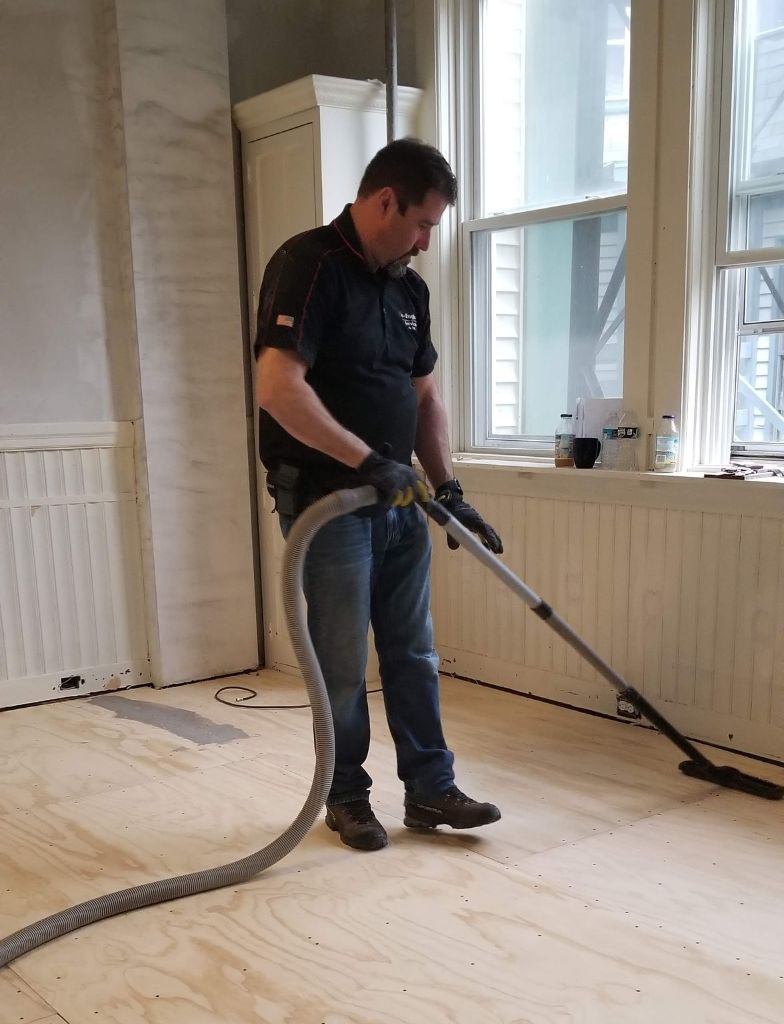
Comprehensive insurance including general liability, workers’ comp, and bonding is essential, with up-to-date certificates required to protect against slip-and-fall lawsuit risks and other property incidents.
Here is a breakdown of the three core coverage types every commercial cleaning vendor must carry:
| Coverage type | What it protects | Minimum recommended limit |
|---|---|---|
| General liability | Property damage and third-party bodily injury | $1 million per occurrence |
| Workers’ compensation | Employee injuries on your property | State-mandated minimum |
| Janitorial bonding | Theft or dishonesty by cleaning staff | $10,000 or more |
Beyond these three, ask whether the vendor carries commercial auto insurance if their crew drives to your property in company vehicles. An accident in your parking lot during a service visit can create liability exposure you did not expect.
How to verify coverage:
- Request a Certificate of Insurance (COI) before the first visit, not after the contract is signed
- Confirm your property is listed as an “additional insured” on the general liability policy
- Check the policy expiration date and set a calendar reminder to request updated certificates annually
- Call the insurance provider directly to verify the policy is active, since certificates can be forged
Pro Tip: Review insurance certificates every year, not just at contract signing. Policies lapse, limits get reduced, and vendors sometimes let coverage slide without telling clients. A quick annual check takes five minutes and could save you from a six-figure lawsuit.
For situations where cleaning intersects with property damage, knowing your vendor also offers emergency restoration services gives you a single trusted partner rather than scrambling to find multiple contractors during a crisis.
Flexibility for emergencies and special events
New England weather alone guarantees that your cleaning needs will not always follow a neat schedule. A burst pipe in February, a flooded basement after a nor’easter, or a post-holiday-party cleanup on a Sunday morning all require a vendor who can adapt without hesitation.
Flexibility for emergencies like floods, odors, or sudden events without contract refusals is critical for handling unpredictable building issues. A vendor who says “that’s not in our contract” during a crisis is a vendor you will replace the moment the emergency is over.
Post-flood cleanup, historic materials, high-traffic post-event situations, and snow or ice residue all require specialized responses that a rigid vendor simply cannot provide.
Use this numbered checklist when vetting a vendor’s flexibility:
- Ask directly: “What happens if I call you at 7 p.m. on a Friday about a flood?” Listen for a specific protocol, not a vague reassurance.
- Request a written emergency response policy that defines response times by incident type.
- Confirm the vendor has experience with historic building materials common in New England, such as hardwood floors, plaster walls, and brick surfaces.
- Verify that post-event cleanup (holiday parties, tenant move-outs, construction debris) is covered under a defined add-on rate, not an open-ended “we’ll figure it out” arrangement.
- Ask whether they carry specialized equipment for water extraction, odor neutralization, and ice-melt residue removal.
Here is a quick reference for common New England emergency scenarios:
| Emergency type | Typical response needed | What to confirm with vendor |
|---|---|---|
| Burst pipe or flooding | Water extraction within 2 hours | Equipment availability and crew size |
| Post-event cleanup | Same-day or next-morning service | Pricing structure for off-schedule visits |
| Snow and ice residue | Salt and grit removal from lobbies | Frequency protocol during storm season |
| Odor incidents | Neutralization, not masking | Products used and dwell time |
Pro Tip: Always require written response protocols before an emergency happens. A vendor who cannot describe their emergency process in writing probably does not have one.
For properties with unique or recurring special needs, exploring special cleaning services options in Massachusetts ensures you have access to the right equipment and trained crews when standard cleaning is not enough.
Proactive communication and transparent pricing
The difference between a cleaning vendor and a true cleaning partner often comes down to communication. A vendor shows up, cleans, and leaves. A partner notices the slow drain in the second-floor restroom, sends you a photo, and flags it before your tenant files a maintenance request.
Proactive communication, rapid response to calls and emails, and reporting issues like leaks before they escalate prevents tenant dissatisfaction and keeps small problems from becoming expensive repairs.
What proactive communication looks like in practice:
- Response time commitments in writing, such as a two-hour reply window for urgent requests
- Scheduled check-in calls monthly or quarterly to review performance and adjust service as needed
Pricing transparency is equally important. Fair, transparent pricing that balances quality over cheap options protects you from the long-term costs of tenant loss that inevitably follow low-quality service.
“A $200 monthly savings on cleaning can easily cost $2,000 in tenant turnover costs if the building feels neglected.”
Ask every vendor for an itemized quote that breaks down costs by task, frequency, and square footage. This makes it easy to compare bids fairly and prevents surprise invoices for services you assumed were included. Vendors who refuse to itemize their pricing are usually hiding something, whether it is a high markup on supplies or a plan to upsell you on services you do not need.
Understanding commercial floor care features is one area where transparent pricing really matters, since floor maintenance costs vary widely based on surface type, square footage, and finish requirements.
Cleaning methodology: Matching service to property needs
Even the most reliable, insured, and communicative vendor will underperform if they are using the wrong cleaning approach for your property type. Methodology matters, and property managers who understand the basics can hold vendors accountable to a real standard.
Daily, weekly, and periodic cleaning routines using a top-to-bottom sequence prevent re-contamination and maintain consistent standards across diverse property types.
A well-structured cleaning program follows this sequence:
- Daily tasks: Empty trash, disinfect high-touch surfaces with proper dwell time, dust-mop hard floors, and restock restroom supplies.
- Weekly tasks: Deep-clean restrooms with disinfectant scrubbing, mop or machine-scrub hard floors, wipe down baseboards and door frames, and clean interior glass.
- Periodic tasks: Strip and refinish hard floors, high-dust ceiling fixtures and vents, deep-clean carpet with hot water extraction, and clean exterior windows.
The top-to-bottom sequence is worth emphasizing. Crews who dust ceiling vents after mopping floors are wasting everyone’s time. Proper methodology always starts at the ceiling and works down to the floor, so debris falls onto surfaces that have not yet been cleaned.
Here is how methodology should adapt by property type:
| Property type | Key methodology consideration | Recommended periodic task |
|---|---|---|
| Historic buildings | Gentle products safe for plaster and hardwood | Quarterly wood floor conditioning |
| High-traffic retail | Daily floor maintenance, frequent restocking | Monthly carpet extraction |
| Office buildings | Focus on high-touch disinfection | Quarterly HVAC vent dusting |
| Post-construction | Debris removal before standard cleaning begins | Full post-construction cleaning protocol |
Pro Tip: Customize your standard operating procedures (SOPs) for each property rather than applying a one-size-fits-all approach. A historic mill conversion in Lowell needs different care than a modern glass office tower in Boston. Vendors who offer property-specific SOPs demonstrate real expertise.
For properties with industrial-grade cleaning needs, understanding industrial cleaning meaning for facilities helps you identify when standard janitorial service is not sufficient and specialized equipment is required.
What most guides miss about cleaning service partnerships
Most articles about choosing a cleaning service focus on checklists and credentials. Those things matter, but they miss the bigger picture. The real value of a great cleaning partner is not what they do when everything goes smoothly. It is what they do when something goes wrong before you even know about it.
Proactive issue-spotting via apps and digital reports builds genuine trust over reactive service. When your cleaning crew notices a slow leak under a utility sink and sends you a photo at 6 a.m., you can call a plumber before your tenants arrive. That is not cleaning. That is property management support.
The best vendors we have worked with over the years treat your building like it is their own. They develop collaborative SOPs with your input, flag problems proactively, and communicate through digital tools that keep everyone on the same page. This kind of partnership does not happen by accident. It happens when you choose vendors who invest in training, technology, and accountability.
For practical strategies and ongoing insights, the property manager cleaning tips on our blog cover real-world scenarios that help you stay ahead of building maintenance challenges rather than reacting to them.
Explore specialized cleaning solutions for New England property managers
Managing commercial properties across New England means dealing with everything from historic brick buildings to modern mixed-use developments, and your cleaning partner needs to handle all of it without missing a beat.
At Nu-England Services, we have been serving property managers across Massachusetts and New England since 1968 with reliable, insured, and eco-friendly cleaning programs built around your schedule and your standards. Whether you need routine commercial maintenance or a rapid response to an unexpected situation, our team is ready. Explore our full range of special cleaning services Massachusetts property managers rely on, or review the complete list of cleaning service types to find the right fit for your properties. Request a free custom quote today.
Frequently asked questions
What types of insurance do cleaning services need for commercial properties?
General liability, workers’ comp, and bonding are the three essential coverage types that protect property managers against lawsuits, employee injuries, and theft risks on their premises.
How can property managers verify that cleaning services are reliable?
Look for vendors who provide consistent, reliable cleaning schedules in writing, offer digital check-in logs, and can supply references from other local property managers with similar building types.
What should cleaning contracts include to ensure flexibility?
Contracts should explicitly cover flexibility for emergencies like floods and sudden events, including defined response times, emergency pricing, and protocols for post-event and snow or ice residue cleanup.
