
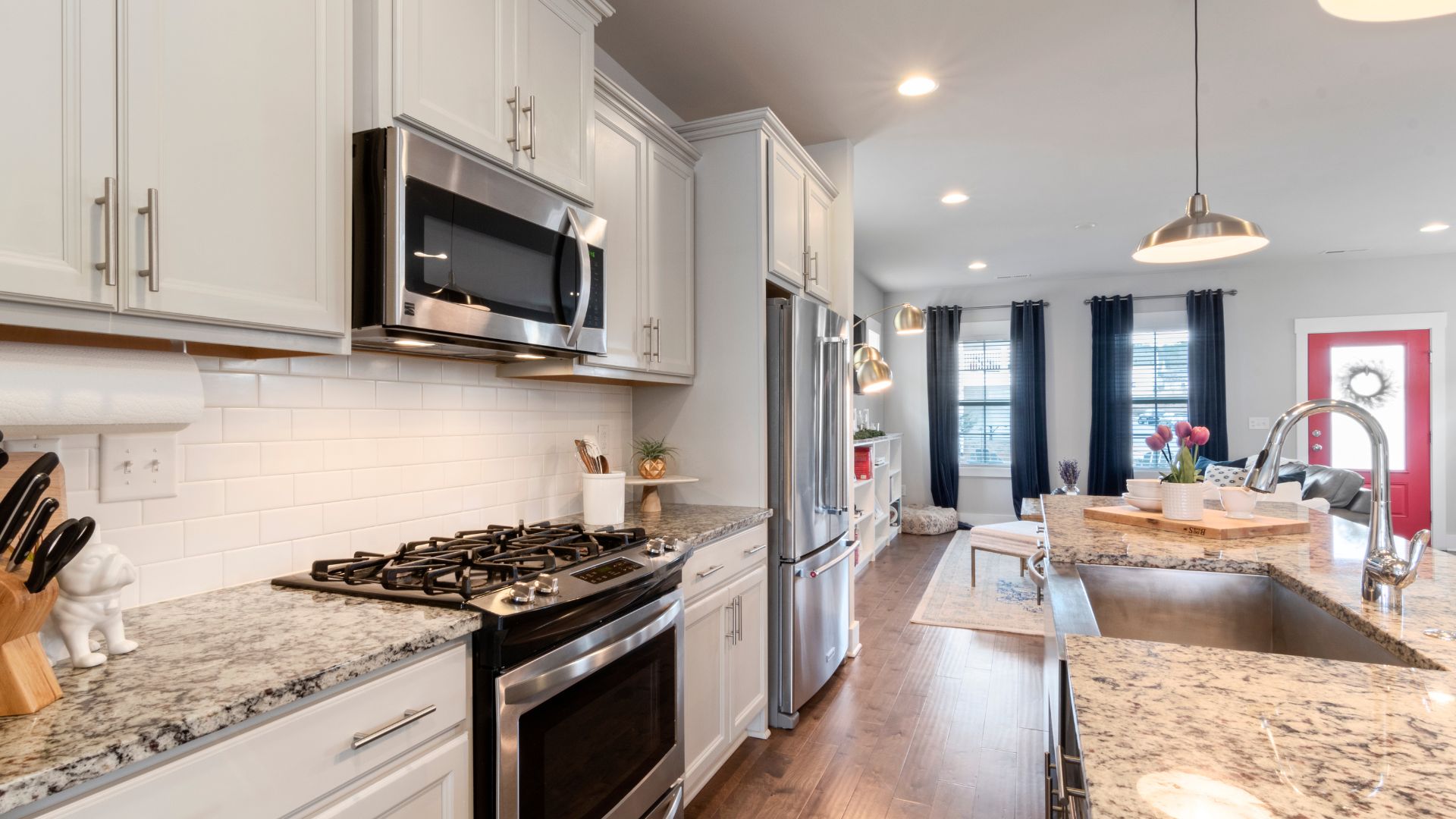
Over 60 percent of American homeowners misunderstand what deep cleaning truly involves. Many assume it is only necessary after emergencies or once a year, missing its role in protecting health and property. Knowing the real difference between basic and comprehensive cleaning helps you make informed choices that safeguard your living spaces, prevent costly repairs, and keep environments healthier for everyone.
Table of Contents: Role of Deep Cleaning
Key Takeaways
| Point | Details |
|---|---|
| Deep Cleaning is Comprehensive | Focuses on hidden dirt and sanitization processes beyond standard cleaning, addressing neglected areas to maintain hygiene and prolong the lifespan of surfaces. |
| Regular Deep Cleaning is Essential | Integrated into maintenance schedules, it prevents future damage and health hazards, providing significant benefits for both residential and commercial spaces. |
| Distinct from Standard Cleaning | Deep cleaning differs in methodology, equipment used, and level of detail, requiring more intensive procedures to ensure thorough sanitization. |
| Neglecting Deep Cleaning Risks | Can lead to increased repair costs, reduced property value, and heightened health risks due to accumulated contaminants and potential mold growth. |
Defining Deep Cleaning and Common Misconceptions
Deep cleaning represents a comprehensive approach to sanitization that goes far beyond routine surface cleaning. Unlike standard daily or weekly maintenance, deep cleaning targets hidden dirt, embedded grime, and hard-to-reach areas that typical cleaning methods often miss. Carpet cleaning professionals recognize that this intensive process requires specialized techniques and equipment to thoroughly restore spaces.
Contrary to popular belief, deep cleaning is not a uniform concept. Facilities management research indicates that the term can mean different things to individual businesses and consumers. Some organizations perform deep cleaning tasks only quarterly or semi-annually, with specialized workers trained in advanced sanitization methods. This variability means expectations and outcomes can differ significantly between service providers.
Common misconceptions about deep cleaning often revolve around its perceived complexity and necessity. Many homeowners and business managers believe deep cleaning is optional or only required in extreme circumstances. However, regular deep cleaning prevents long-term damage, eliminates hidden bacterial growth, and extends the lifespan of surfaces and materials. Commercial cleaning experts recommend integrating deep cleaning into regular maintenance schedules to maintain optimal hygiene and preserve property investments.
Key characteristics that distinguish deep cleaning include:
- Comprehensive coverage of entire spaces, not just visible surfaces
- Use of specialized cleaning agents and professional-grade equipment
- Detailed attention to often-overlooked areas like baseboards, behind furniture, and interior fixtures
- Sanitization processes that eliminate microscopic contaminants
- Restoration of surfaces to near-original condition
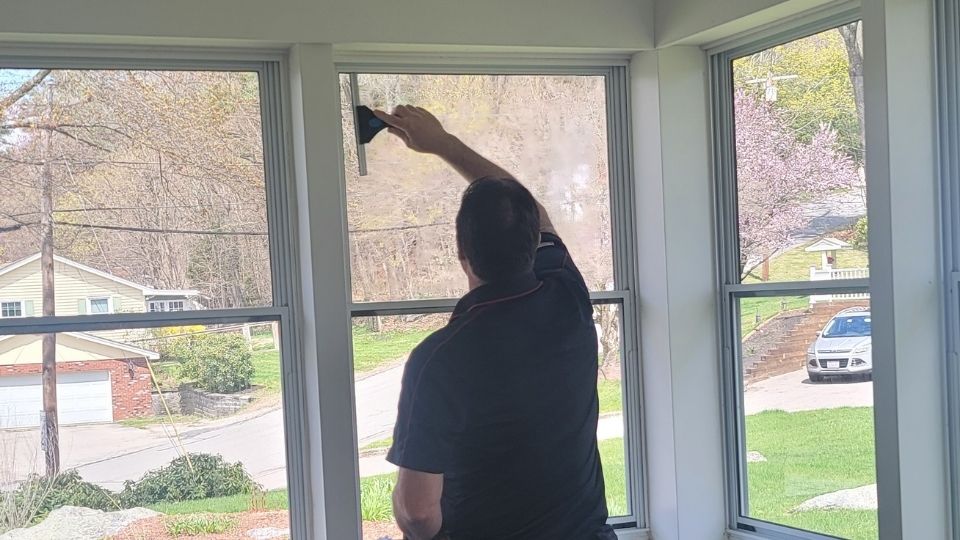
Deep Cleaning vs Standard Cleaning Services
Standard cleaning and deep cleaning represent two fundamentally different approaches to maintaining spaces, with significant variations in scope, intensity, and outcomes. Regular cleaning typically involves surface-level maintenance like dusting, vacuuming, and basic sanitization, addressing visible dirt and immediate cleanliness. In contrast, special cleaning services focus on comprehensive restoration and thorough sanitization that penetrates beyond surface appearances.
The key distinctions between standard and deep cleaning emerge in their methodology and depth of treatment. Standard cleaning consists of routine tasks performed weekly or bi-weekly: wiping counters, sweeping floors, emptying trash, and quick disinfecting of high-touch areas. Deep cleaning, however, requires meticulous attention to often-overlooked spaces, including baseboards, behind appliances, inside cabinets, and intricate fixtures that accumulate hidden grime and bacteria over time.
Professional cleaning approaches recognize that different environments demand unique strategies. Residential spaces might require deep cleaning every few months, while commercial facilities could need more frequent intensive treatments. Carpet cleaning experts understand that deep cleaning extends beyond aesthetic improvements, providing critical maintenance that preserves material integrity and prevents long-term degradation.
Key differences between standard and deep cleaning include:
- Frequency of service
- Level of detail and comprehensiveness
- Equipment and cleaning agents used
- Time required to complete the process
- Overall cost and investment in maintaining the space
Ultimately, while standard cleaning maintains basic hygiene, deep cleaning delivers a transformative level of sanitization that protects both health and property infrastructure.
Key Areas and Procedures in Deep Cleaning
Deep cleaning requires a systematic and comprehensive approach that targets multiple areas within residential and commercial spaces. Comprehensive cleaning procedures involve much more than surface-level maintenance, addressing hidden dirt, accumulated grime, and potential health hazards in various environments. Pressure washing techniques often serve as a critical component in deep cleaning, especially for exterior surfaces and hard-to-clean areas that accumulate stubborn dirt and biological contaminants.
The key areas targeted during deep cleaning encompass multiple zones that typically receive minimal attention during routine maintenance. These include intricate spaces like baseboards, ceiling corners, behind large appliances, inside cabinet interiors, window tracks, light fixtures, and hard-to-reach ventilation systems. Professional cleaning involves specialized techniques for each surface type, recognizing that different materials require unique approaches to prevent damage while achieving maximum sanitization.
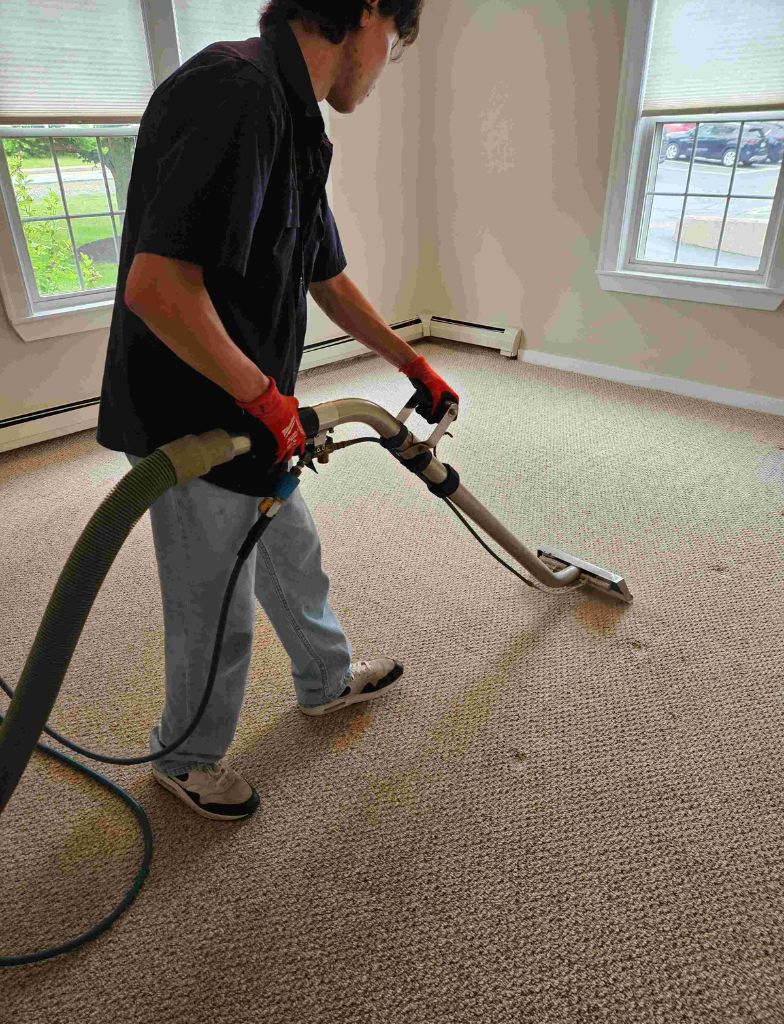
Procedural steps in deep cleaning follow a strategic sequence designed to maximize efficiency and thoroughness. Carpet maintenance professionals understand that the process typically involves initial assessment, decluttering, high-dusting, detailed surface cleaning, sanitization, and final inspection. Each stage requires specific tools and techniques, from microfiber cloths and specialized cleaning solutions to advanced equipment like steam cleaners and industrial-grade vacuums that extract deeply embedded contaminants.
Key procedures in comprehensive deep cleaning include:
- Thorough surface preparation and decluttering
- High-dusting of ceiling corners and hard-to-reach areas
- Detailed cleaning of baseboards and trim
- Deep sanitization of frequently touched surfaces
- Comprehensive floor and carpet treatment
- Specialized cleaning for different surface materials
- Disinfection of ventilation and air circulation systems
Ultimately, successful deep cleaning requires a methodical approach that combines technical expertise, specialized equipment, and a comprehensive understanding of different surface requirements and potential contamination sources.
Health, Safety, and Property Benefits
Deep cleaning delivers transformative benefits that extend far beyond surface-level aesthetics, directly impacting human health, safety, and property preservation. Comprehensive sanitization plays a critical role in eliminating harmful microorganisms, allergens, and potential health hazards that accumulate in living and working environments. Tile and grout cleaning professionals understand that thorough deep cleaning reduces microscopic contaminants that can trigger respiratory issues, allergies, and long-term health complications.
Comprehensive cleaning research reveals that deep cleaning prevents long-term damage by targeting hidden grime that builds up slowly in less visible areas like baseboards, vents, and behind furniture. This proactive approach not only maintains property integrity but also extends the lifespan of surfaces, flooring, and critical infrastructure. By addressing these often-overlooked spaces, property owners can mitigate potential structural degradation and avoid costly repairs that result from neglected maintenance.
The health benefits of deep cleaning are particularly significant for individuals with respiratory sensitivities, allergies, or compromised immune systems. Regular intensive cleaning dramatically reduces indoor air pollution, eliminates dust mite populations, removes accumulated pet dander, and minimizes potential mold and mildew growth. Professional deep cleaning techniques effectively neutralize bacteria, viruses, and other potentially harmful microorganisms that standard cleaning methods might miss.
Key health, safety, and property benefits include:
- Reduction of airborne allergens and respiratory irritants
- Elimination of hidden bacterial and viral populations
- Prevention of long-term structural damage
- Improved indoor air quality
- Extended lifespan of surfaces and infrastructure
- Mitigation of potential health risks
- Enhanced aesthetic and hygienic environment
Ultimately, deep cleaning represents a critical investment in personal health, property maintenance, and long-term environmental quality, offering comprehensive protection that goes well beyond conventional cleaning approaches.
Risks and Costs of Neglecting Deep Cleaning
Neglecting deep cleaning can lead to substantial financial and health risks that far exceed the initial investment in professional sanitization services. Cumulative damage occurs gradually, with seemingly minor issues transforming into significant problems that require extensive and expensive repairs. Fire damage restoration experts recognize that unchecked environmental degradation can compromise structural integrity and create potential safety hazards in residential and commercial spaces.
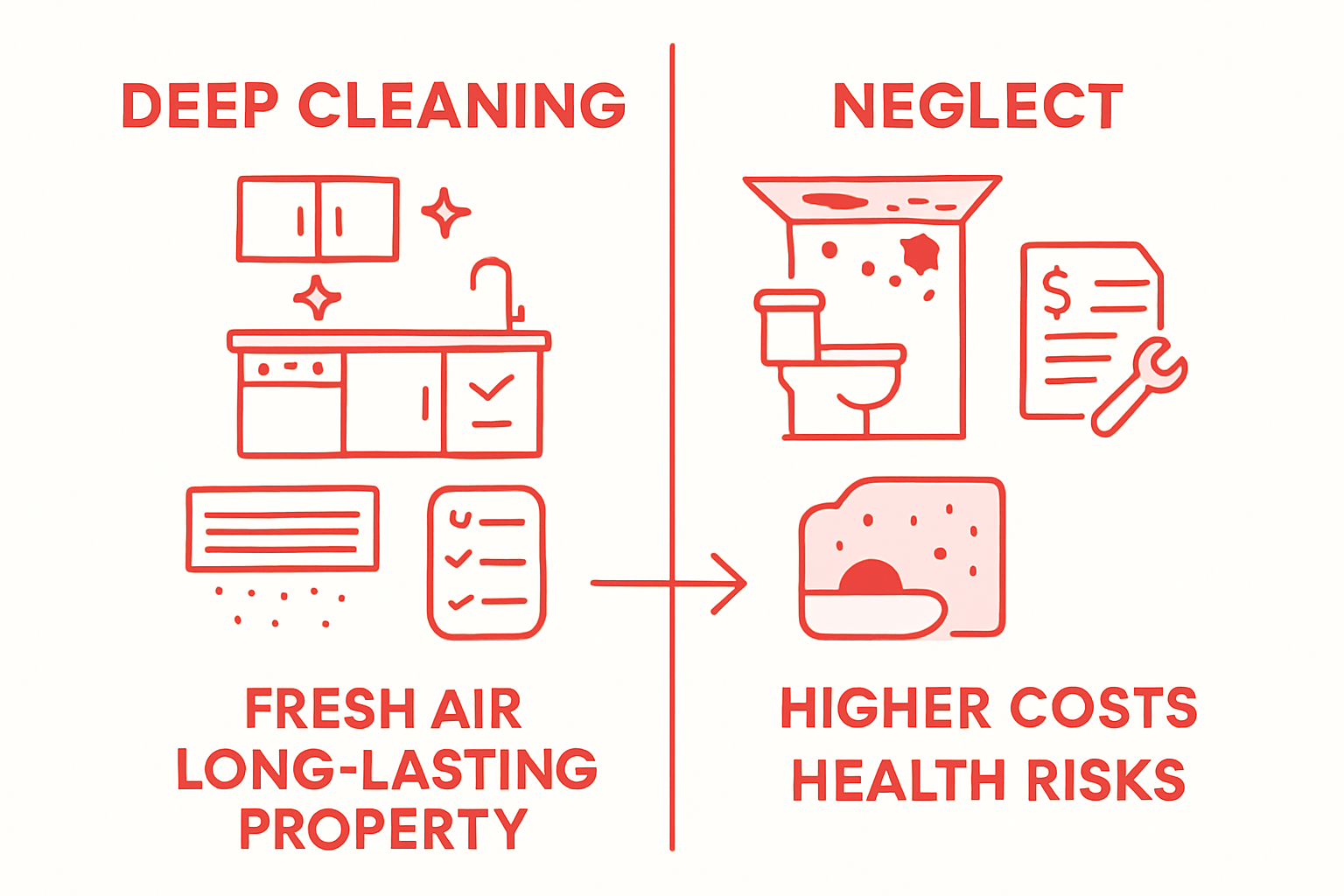
The financial implications of inadequate cleaning extend beyond surface-level maintenance. Accumulated dirt, moisture, and biological contaminants can cause premature deterioration of surfaces, flooring, and critical infrastructure. Wooden surfaces may develop rot, carpets can harbor destructive microorganisms, and hidden moisture can create ideal conditions for mold growth. Mold remediation professionals understand that what begins as a small patch of discoloration can quickly escalate into a comprehensive and costly restoration project.
Health risks represent another critical consequence of neglecting deep cleaning. Unaddressed environmental contaminants create breeding grounds for bacteria, viruses, allergens, and potentially harmful microorganisms. Individuals with respiratory conditions, allergies, or compromised immune systems are particularly vulnerable to these hidden health threats. The accumulation of dust, pet dander, and microscopic pollutants can trigger chronic respiratory issues, skin conditions, and long-term health complications that far outweigh the cost of regular professional cleaning.
Significant risks of neglecting deep cleaning include:
- Accelerated structural deterioration
- Increased potential for mold and bacterial growth
- Compromised indoor air quality
- Higher long-term repair and replacement costs
- Enhanced health risks for occupants
- Reduced property value
- Potential insurance and liability complications
Ultimately, preventative deep cleaning represents a strategic investment in property preservation and personal health, offering a cost-effective approach to maintaining safe, hygienic, and structurally sound living and working environments.
Eco-Friendly Deep Cleaning Solutions
Eco-friendly deep cleaning solutions represent a progressive approach to sanitization that prioritizes environmental sustainability without compromising cleaning effectiveness. Green cleaning technologies leverage natural, biodegradable ingredients and innovative techniques to achieve comprehensive sanitization while minimizing ecological impact. Window cleaning professionals increasingly recognize the importance of selecting cleaning agents that protect both indoor environments and broader ecological systems.
The core principles of eco-friendly deep cleaning involve selecting plant-based, non-toxic cleaning agents, utilizing energy-efficient equipment, and implementing waste-reduction strategies. These solutions typically incorporate concentrated formulas that require less packaging, microfiber cleaning tools that minimize chemical usage, and cleaning methods that conserve water and reduce overall environmental footprint. Area rug cleaning experts understand that sustainable cleaning practices can effectively remove contaminants while maintaining the integrity of both surfaces and surrounding ecosystems.
Implementing eco-friendly deep cleaning solutions requires a holistic approach that considers the entire cleaning lifecycle. This includes selecting biodegradable cleaning agents, using reusable or recyclable cleaning tools, minimizing water consumption, and implementing energy-efficient cleaning techniques. Advanced green cleaning technologies now offer powerful alternatives to traditional chemical-based solutions, delivering superior sanitization results with minimal environmental impact.
Key characteristics of eco-friendly deep cleaning solutions include:
- Plant-based, non-toxic cleaning agents
- Biodegradable and sustainable ingredients
- Minimal packaging and waste generation
- Energy-efficient cleaning equipment
- Water conservation techniques
- Reduced carbon footprint
- Safe for humans and environmental systems
Ultimately, eco-friendly deep cleaning represents a responsible approach to maintaining clean, healthy spaces while demonstrating environmental stewardship and commitment to sustainable practices.
Protect Your Health and Property with Expert Deep Cleaning Solutions
The article highlights how deep cleaning goes beyond ordinary maintenance to target hidden dirt, bacteria, and allergens that threaten both your health and the integrity of your property. If you are concerned about airborne allergens, structural damage, or long-term maintenance costs, professional deep cleaning is the proactive answer to maintain a safe, hygienic environment. Nu-England Services understands these challenges and offers comprehensive Cleaning Services tailored to safeguard your home or business.
Experience the transformational benefits of deep cleaning with a trusted family-owned company since 1968. Whether you need detailed interior cleaning or specialized exterior care like Pressure Washing, our skilled professionals use eco-friendly methods designed to protect your health and property. Don’t wait until small issues become costly repairs. Visit Nu-England Services today and request your free quote to take control of your environment and ensure lasting peace of mind.
Frequently Asked Questions
What is the difference between deep cleaning and standard cleaning?
Deep cleaning is a comprehensive sanitation process that targets hidden dirt and hard-to-reach areas, while standard cleaning involves routine maintenance like dusting and vacuuming of visible surfaces.
How often should deep cleaning be done?
It is recommended to perform deep cleaning every few months for residential spaces, while commercial facilities might require more frequent deep cleaning based on use and foot traffic.
What are the health benefits of deep cleaning?
Deep cleaning significantly reduces airborne allergens, eliminates harmful bacteria and viruses, improves indoor air quality, and minimizes health risks for individuals with respiratory conditions or compromised immune systems.
What are the risks of neglecting deep cleaning?
Neglecting deep cleaning can lead to structural deterioration, increased mold and bacterial growth, compromised indoor air quality, higher repair costs, and elevated health risks for occupants.
