
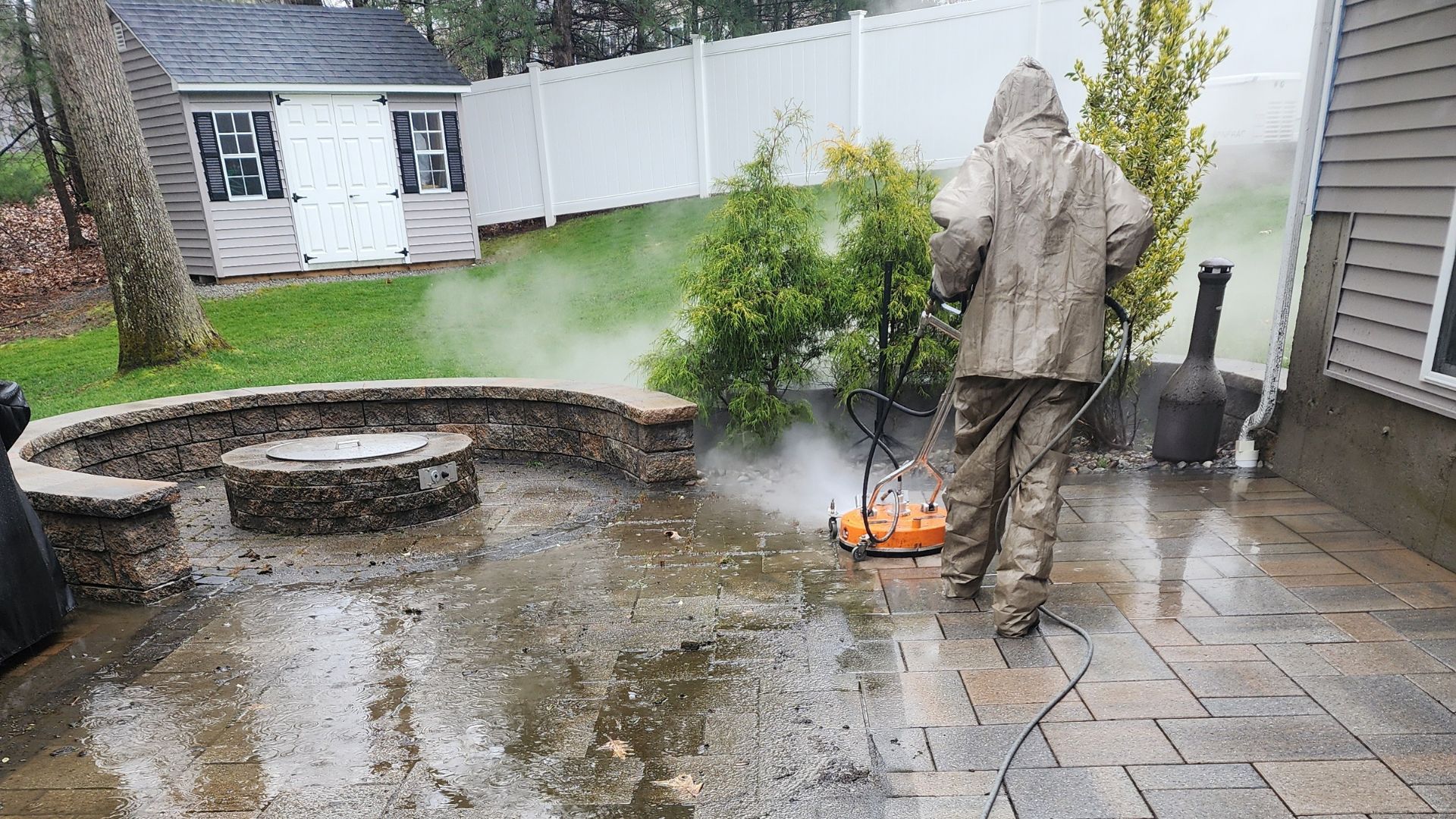
Every year, thousands of homeowners and business managers unknowingly cause serious damage to their properties through improper pressure washing. Water intrusion and surface cracking can cost thousands in repairs, yet these outcomes are completely preventable. This guide reveals the hidden risks of DIY pressure washing and shows you how professional, eco-friendly methods protect your investment while enhancing curb appeal.
Table of Contents
- Understanding The Risks Of Improper Pressure Washing
- Benefits Of Professional, Environmentally-Friendly Pressure Washing
- How To Choose The Right Pressure Washing Approach For Your Property
- Best Practices For Maintenance And Safety During Pressure Washing
- Enhance Your Property With Nu-England Services
- FAQ
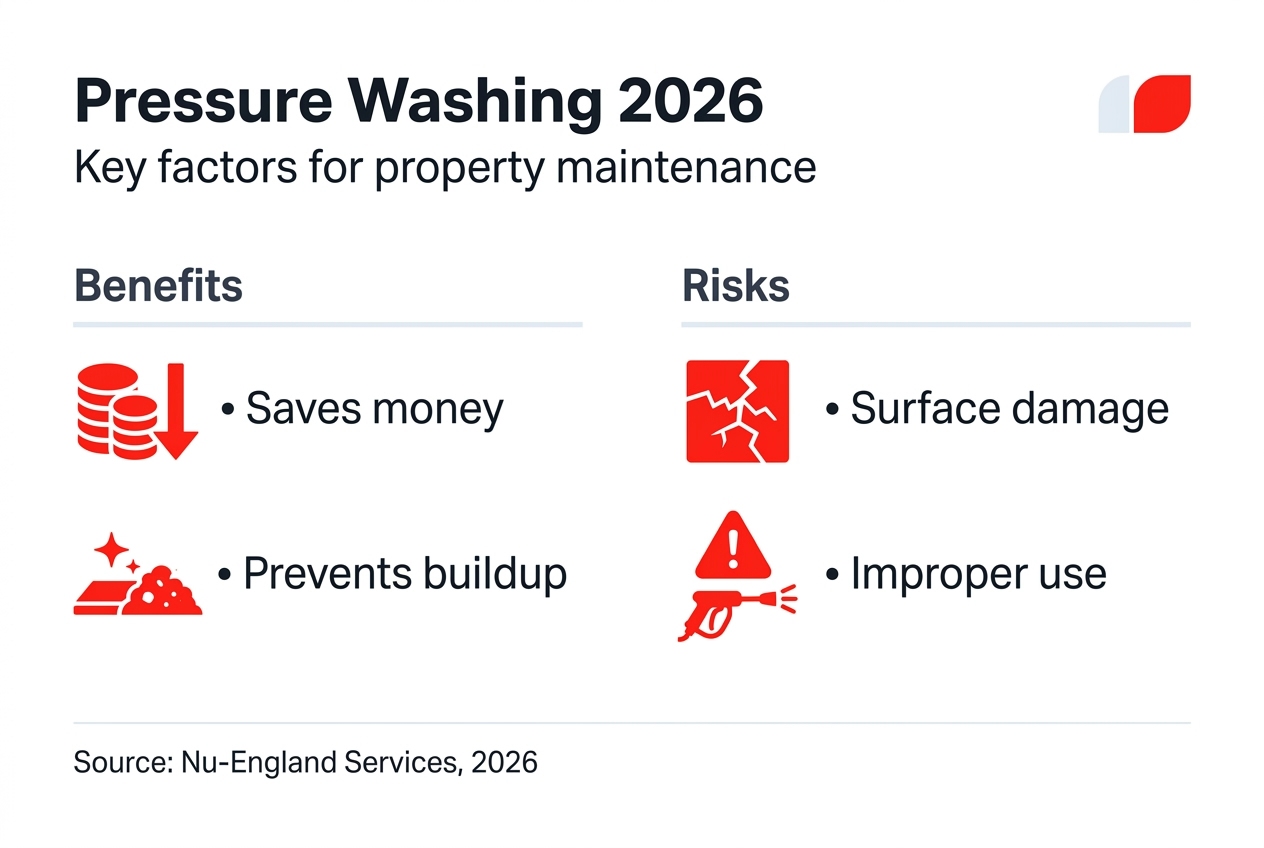
Key takeaways
| Point | Details |
|---|---|
| Property protection saves money | Professional pressure washing prevents costly damage to siding, windows, and roofing materials. |
| Wrong pressure causes serious harm | Excessive pressure creates etching, cracking, and water intrusion leading to mold and structural issues. |
| Eco-friendly methods benefit everyone | Biodegradable detergents and proper techniques protect your property and surrounding environment. |
| Professional expertise reduces risk | Trained specialists customize pressure settings for each surface type to ensure safe, effective cleaning. |
Understanding the risks of improper pressure washing
Many property owners discover too late that pressure washing is not a one-size-fits-all solution. High-pressure water directed at delicate surfaces can etch vinyl siding, crack window seals, and force water beneath protective barriers. Improper pressure washing leads to property damage including surface degradation and moisture problems that require expensive professional repairs.
The severity of damage depends on two critical factors: the pressure setting used and the material being cleaned. A setting safe for concrete driveways will destroy wood siding or asphalt shingles. Water forced under siding creates ideal conditions for mold growth and wood rot, problems that remain hidden until structural damage becomes obvious.
Common problem areas include:
- Vinyl siding develops permanent streaks and warping from excessive heat and pressure
- Window frames and seals crack, allowing water infiltration and reducing energy efficiency
- Roofing materials lose protective granules, shortening lifespan by years
- Painted surfaces experience peeling and discoloration requiring full repainting
Understanding pressure washing basics helps property owners recognize when professional intervention becomes necessary to avoid preventable damage.
Repair costs for pressure washing damage typically range from $500 for minor siding repairs to $5,000 or more for extensive water damage remediation. These expenses far exceed the cost of professional preventive maintenance, making proper technique selection a crucial financial decision for homeowners and business managers alike.
Benefits of professional, environmentally-friendly pressure washing
Professional pressure washing services deliver results that protect both your property and the surrounding environment. Trained technicians assess each surface and adjust pressure levels precisely, ensuring thorough cleaning without the damage risks that plague DIY attempts. This customized approach removes dirt, mold, and pollutants while preserving the integrity of building materials.
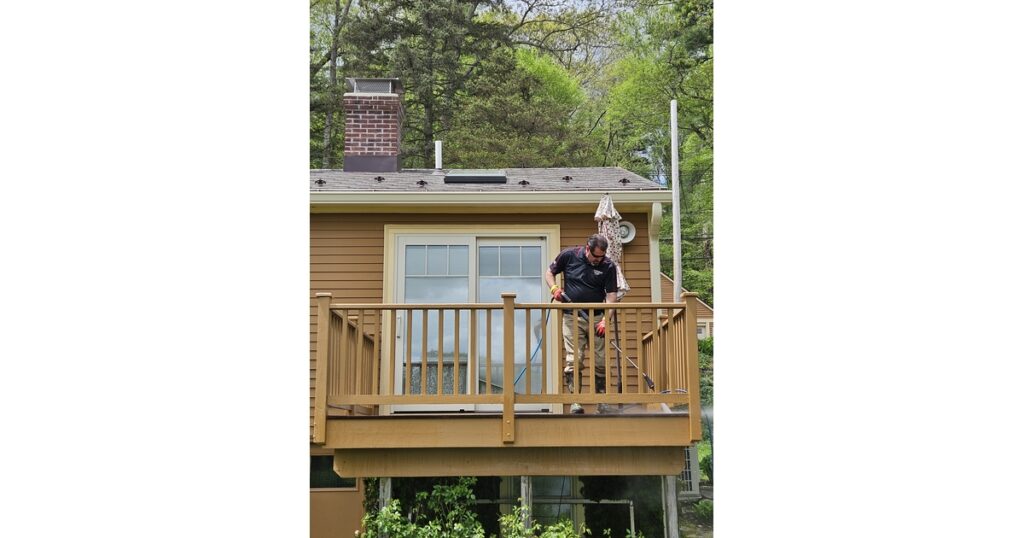
Environmentally friendly detergents represent a significant advancement in property maintenance. These biodegradable formulations break down naturally without contaminating soil or waterways, addressing growing concerns about chemical runoff in residential and commercial areas. New England communities particularly value eco-conscious practices that align with regional environmental standards and watershed protection initiatives.
Regular professional pressure washing prevents the gradual buildup of organic materials that degrade surfaces over time. Algae, mold, and mildew don’t just look unappealing; they actively break down paint, wood, and masonry. Removing these contaminants extends the lifespan of exterior materials and delays expensive replacement projects.
The visual transformation creates immediate benefits:
- Enhanced curb appeal attracts potential buyers and increases property values
- Clean commercial facades project professionalism and attention to detail
- Maintained surfaces require less frequent painting and refinishing
- Regular cleaning prevents permanent staining that becomes impossible to remove
Pro Tip: Schedule pressure washing in spring or fall when temperatures allow surfaces to dry properly without extreme heat damage, and explore cleaning tips for year-round maintenance strategies.
Property managers report that buildings receiving professional pressure washing maintain their appearance longer and require fewer emergency repairs. The investment in professional cleaning services consistently proves more economical than addressing deterioration after it becomes severe.
How to choose the right pressure washing approach for your property
Selecting the appropriate pressure washing method requires understanding the relationship between surface materials and safe pressure ranges. Damage extent varies by material and applied pressure, making surface identification the critical first step in any cleaning project.
| Surface Type | Recommended PSI | Special Considerations |
|---|---|---|
| Vinyl siding | 1,300-1,600 | Use wide-angle nozzle to prevent cracking |
| Wood decking | 500-600 | Low pressure prevents splintering and grain damage |
| Concrete driveways | 3,000-3,500 | Higher pressure removes oil stains effectively |
| Asphalt shingles | 1,200-1,500 | Avoid direct overhead spray to preserve granules |
| Brick and stone | 2,500-3,000 | Test mortar integrity before full application |
Environmental regulations in New England add another layer to decision-making. Many municipalities restrict the types of cleaning agents that can enter storm drains, and some require containment systems for commercial properties. Professional services navigate these requirements routinely, ensuring compliance while delivering results.
DIY pressure washing equipment available at rental centers typically offers limited pressure adjustment and lacks the specialized nozzles professionals use for delicate work. This equipment gap explains why enthusiastic homeowners frequently cause damage despite good intentions. Knowing your equipment’s limitations prevents costly mistakes.
Pro Tip: Before pressure washing near windows, review window cleaning tips to protect glass and frames from water intrusion damage.
Seasonal factors influence pressure washing effectiveness significantly. Spring cleaning removes winter salt and grime, while fall preparation clears organic debris before snow arrives. Professional assessments account for temperature, humidity, and recent weather patterns that affect how surfaces respond to cleaning. Projects like post-construction cleaning demonstrate how specialists adapt techniques to specific situations and surface conditions.
Best practices for maintenance and safety during pressure washing
Safe pressure washing starts with proper preparation and continues through every step of the cleaning process. Following established protocols protects both the operator and the property being cleaned.
Safety equipment checklist:
- Safety goggles to protect eyes from debris and chemical splash
- Non-slip footwear with closed toes to prevent injuries
- Hearing protection when operating gas-powered equipment
- Protective clothing covering arms and legs against high-pressure spray
Step-by-step pressure washing process:
- Remove loose items and cover electrical outlets, light fixtures, and vents
- Test pressure and spray pattern on inconspicuous area first
- Maintain consistent distance from surface, typically 12-18 inches
- Work in systematic sections from top to bottom
- Rinse thoroughly to remove all cleaning solution residue
- Inspect for any damage or areas requiring additional attention
Improper techniques cause thousands in annual damage, making careful adherence to safety protocols essential for protecting your investment.
Environmental precautions prevent contamination of gardens, lawns, and water sources. Cover or wet down plants before applying cleaning solutions, and consider using tarps to capture runoff from commercial projects. These simple steps protect landscaping and demonstrate responsible property stewardship.
Maintenance frequency recommendations vary by property type and exposure:
- Residential homes benefit from annual pressure washing in most climates
- Commercial properties with high foot traffic need biannual cleaning
- Buildings near coastal areas or under tree cover require more frequent attention
- Concrete surfaces withstand quarterly cleaning for high-traffic zones
Recognizing when to hire professionals versus attempting DIY work protects your property and your safety. Complex projects involving multi-story buildings, delicate historical materials, or extensive mold remediation always warrant professional expertise. Review pressure washing fundamentals and stay informed through property maintenance resources to make educated decisions about your cleaning needs.
Enhance your property with Nu-England Services
Protecting your New England property requires expertise that comes from decades of hands-on experience. Nu-England Services has served Massachusetts homeowners and businesses since 1968, delivering professional pressure washing that enhances appearance without risking damage. Our eco-friendly approach aligns with your environmental values while producing results that last.
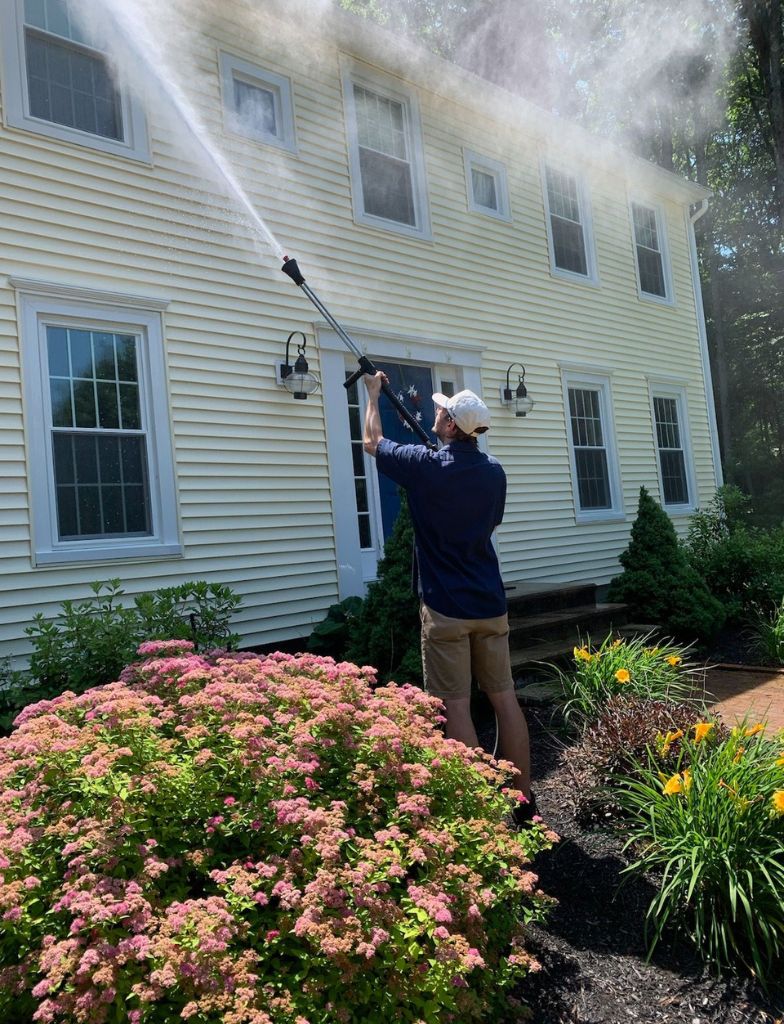
Our comprehensive special cleaning services extend beyond pressure washing to include window cleaning, post-construction cleanup, and specialized restoration work. We customize every project to your property’s unique needs, using appropriate pressure levels and biodegradable solutions that protect surfaces and surroundings. Discover our full range of essential cleaning services or visit our homepage to schedule your free consultation and see why generations of New England property owners trust our family-owned business.
FAQ
How often should I schedule pressure washing for my home or business?
Residential properties typically benefit from annual pressure washing, while commercial buildings with higher exposure often require biannual service. Coastal properties or those surrounded by trees may need more frequent cleaning to address salt spray, pollen, and organic debris. Your specific schedule depends on local climate conditions and surface materials.
Can pressure washing damage my windows or siding?
Yes, incorrect pressure causes damage including etching and cracking when applied improperly. Vinyl siding warps under excessive heat and pressure, while window seals crack when water is forced into frames. Professional technicians adjust pressure settings for each surface type, eliminating these risks through proper technique and equipment selection.
What makes pressure washing environmentally friendly?
Eco-friendly pressure washing uses biodegradable detergents that break down naturally without harming soil, plants, or waterways. Water-efficient equipment reduces consumption while maintaining cleaning effectiveness. These practices protect New England’s watersheds and ecosystems while delivering the thorough cleaning results your property needs.
Should I pressure wash before painting my home?
Pressure washing before painting removes dirt, mildew, and loose paint, creating the clean surface necessary for proper paint adhesion. This preparation step significantly extends the lifespan of your new paint job. Allow surfaces to dry completely for at least 48 hours before applying primer or paint.
What is the difference between pressure washing and power washing?
Pressure washing uses unheated water at high pressure, while power washing heats the water for enhanced cleaning power. Heated water excels at removing grease and oil but can damage certain materials. Most residential applications require only standard pressure washing, while commercial or industrial projects sometimes benefit from the additional cleaning strength of heated water.
