
TL;DR:
- Nylon is the most durable carpet fiber for high-traffic areas and lasts up to 15 years. Carpet performance depends greatly on fiber type, construction, padding, and installation quality. Matching the right fiber to each room’s use and traffic ensures long-lasting comfort and appearance.
Carpet fiber types are the material compositions that determine how a carpet performs, feels, and holds up over time. The fiber is the single biggest factor in durability, stain resistance, softness, and long-term maintenance cost. The residential carpet market is currently split between six main fiber categories: nylon, polyester, triexta, wool, olefin, and acrylic. Nylon leads with roughly 60% of U.S. residential carpet sales. That dominance reflects real-world performance, not just marketing. This guide breaks down each fiber so you can match the right material to your home, your budget, and your lifestyle.
Important Carpet Facts to Know Before Reading Further
- Always check the warranty for each carpet you look at regardless of manufacturer, as it’s not a manufacturer that determines the warranty, it’s the fiber and makeup that they use to determine the warranty.
- Natural carpet fibers are more susceptible to moth infestations.
- When you are shopping for carpet, rub your hands across the sample. If you see the carpet pile direction change visually, then this will show traffic patterns easily, regardless of fiber type.
What are the main carpet fiber types explained?
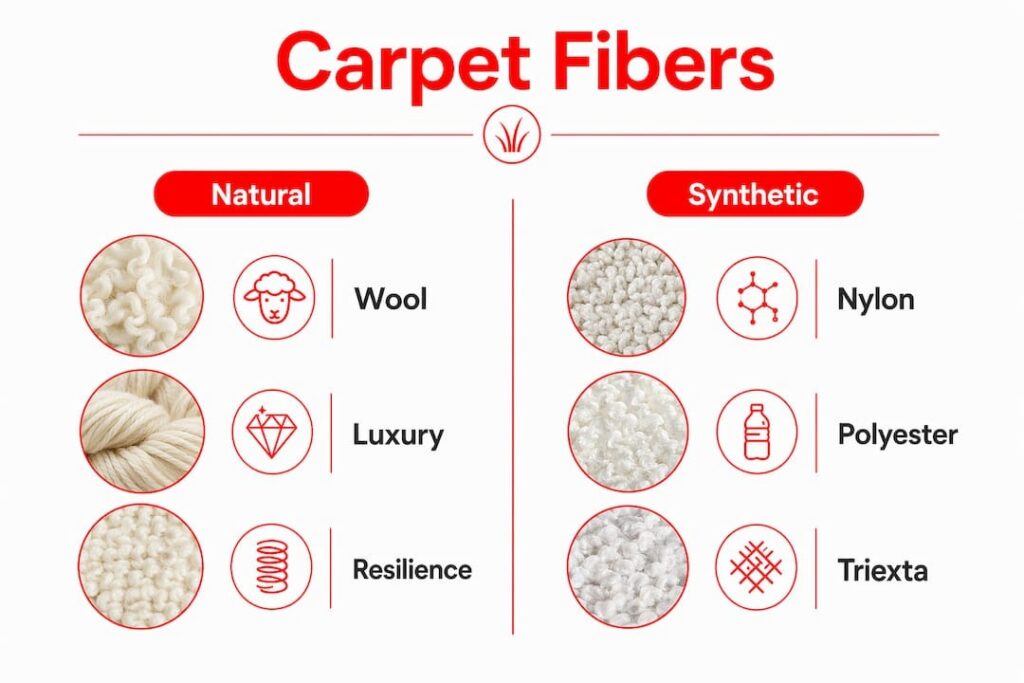
The carpet industry divides fibers into two broad groups: synthetic and natural. Synthetic fibers, including nylon, polyester, triexta, olefin, and acrylic, make up the overwhelming majority of residential installations. Wool is the primary natural option and occupies a premium niche.
Nylon
Nylon is the most durable synthetic carpet fiber available for residential use. Nylon accounts for around 60% of U.S. residential carpet sales and delivers an average lifespan of 12–15 years. Two grades exist: nylon 6 and nylon 6,6. Nylon 6,6 outperforms nylon 6 with better crush resistance and flex fatigue recovery, making it the preferred choice for high-traffic hallways, stairs, and living rooms. Branded products like Stainmaster often use nylon 6,6 for this reason.
Polyester (PET)
Polyester makes up over 50% of residential carpet fiber usage, driven by its low cost and exceptionally soft feel. It costs roughly $1–$5 per square foot installed, making it the go-to choice for budget-conscious homeowners. Polyester is hydrophobic, which means it resists water-based spills well. The trade-off is that polyester is vulnerable to oil-based stains, which bond to the fiber and are difficult to remove. It also shows wear faster than nylon in high-traffic zones.
Triexta (PTT)
Triexta is a newer synthetic fiber that combines nylon durability with polyester stain resistance. Triexta is noticeably soft underfoot and holds up well in family rooms and pet-friendly homes. It sits at a mid-range price point, above standard polyester but below premium nylon.
Wool
Wool is the only widely used natural carpet fiber, and it is a luxury product. Wool costs $5–$26 per square foot and holds less than 1% of the overall carpet market. It offers natural resilience, temperature regulation, and a look that synthetic fibers cannot fully replicate. The maintenance requirement is higher: wool needs professional cleaning and careful moisture management. Wool blends, typically an 80/20 wool-synthetic mix, offer a practical middle ground with better abrasion resistance and easier care.
Olefin and acrylic
Olefin, also called polypropylene, resists stains, moisture, and fading better than most synthetics. It is the standard choice for basements, outdoor spaces, and commercial settings. Its weakness is low resilience: olefin crushes under heavy foot traffic and does not spring back well. Acrylic mimics wool’s appearance at a lower cost and works best in low-traffic decorative applications.
| Fiber | Cost (per sq ft) | Durability | Stain resistance | Softness | Best use |
| Nylon | $2–$7 | Excellent | Good | Moderate | High-traffic rooms, stairs |
| Polyester | $1–$5 | Moderate | Good (water-based) | High | Bedrooms, low-traffic areas |
| Triexta | $3–$6 | Good | Excellent | High | Family rooms, pet areas |
| Wool | $5–$26 | Good | Moderate | High | Formal rooms, luxury spaces |
| Olefin | $1–$4 | Moderate | Excellent | Low | Basements, outdoors |
| Acrylic | $1–$4 | Low | Moderate | Moderate | Decorative, low-traffic |
Pro Tip: Always ask the retailer whether a nylon carpet uses nylon 6 or nylon 6,6. The grade is rarely printed on the label, but it makes a measurable difference in how long the carpet looks new.
How do carpet fibers differ in durability and stain resistance?
Durability and stain resistance are the two performance metrics that matter most for everyday living. They do not always move together, and understanding the gap between them saves you from a costly mistake.
Nylon is the clear leader in durability. Its molecular structure gives it superior flex fatigue resistance, meaning it bounces back after compression from foot traffic and furniture. Nylon 6,6’s molecular structure provides better resiliency than any other synthetic fiber. This makes nylon the right call for hallways, stairs, and living rooms that see daily use.
Polyester is softer but wears faster in high-traffic areas. Its hydrophobic nature protects against juice, coffee, and water-based spills. However, cooking oil, pet grease, and similar substances penetrate the fiber and resist standard cleaning methods. If you have young children or pets, this vulnerability is worth weighing carefully against the lower price.
Triexta sits between nylon and polyester on the durability scale while matching or exceeding polyester on stain resistance. For families who want both softness and protection, Triexta is the most balanced option currently on the market.
Wool provides natural resilience through its crimped fiber structure, but it absorbs moisture and can develop mildew if not dried properly. Olefin handles moisture and outdoor conditions well but compresses permanently under heavy use.
Fiber treatments also play a role. Stain-resistant coatings like Scotchgard can improve any fiber’s surface protection, but they wear off over time and require reapplication. The fiber itself is the foundation; treatments are a supplement, not a substitute.
Maintenance tips by fiber type:
- Nylon: Vacuum twice weekly in high-traffic areas. Steam clean once or twice per year to restore pile.
- Polyester: Blot oil-based spills immediately with a dry cloth. Avoid rubbing, which spreads the stain deeper into the fiber.
- Triexta: Rinse water-based spills with cold water. The fiber releases most stains without chemical cleaners.
- Wool: Use pH-neutral cleaners only. Schedule professional carpet cleaning once a year to preserve fiber integrity.
- Olefin: Rinse with water for most stains. Avoid heat-based cleaning methods, which can melt or distort the fiber.
Pro Tip: Nylon 6,6 is worth the premium if you are carpeting a hallway or staircase. In a guest bedroom that sees minimal traffic, standard nylon 6 or even polyester will perform just as well at a lower cost.

What factors affect carpet fiber performance beyond the fiber itself?
The fiber is the starting point, not the whole story. Two carpets made from identical nylon can perform very differently depending on how they are constructed and installed.
Pile type
Carpet pile type shapes how a fiber performs in daily use. Cut pile, where the loops are cut to create upright tufts, is the most common residential style and works well with nylon and polyester. Loop pile, where the fiber forms uncut loops, is more durable under foot traffic and suits olefin and nylon well. Cut-and-loop pile combines both textures and creates patterns, but the exposed cut ends can snag more easily. Matching the pile type to the fiber and the room’s traffic level is as important as the fiber choice itself.
Padding
Carpet padding is the hidden factor most homeowners underestimate. Proper padding improves both durability and feel, and the recommended specification is a pad that is 1/4 to 7/16 inch thick with a density of 6–8 pounds. Padding that is too soft allows the carpet backing to flex excessively, which breaks down the fiber faster. Padding that is too firm eliminates the cushioning benefit. The right pad extends the life of any fiber type significantly.
Installation quality
Professional installation affects fiber performance in ways that are not visible at first. Improper stretching causes ripples and buckling, which accelerates fiber wear at the fold points. Seam placement matters too: seams positioned in high-traffic paths wear faster and show sooner. Expert carpet installation accounts for room geometry, traffic patterns, and fiber direction to maximize lifespan.
Factors homeowners often overlook:
- Sunlight exposure: UV rays fade and weaken fiber over time. South-facing rooms need UV-blocking window treatments or fade-resistant fibers like olefin.
- Subfloor condition: Uneven or damp subfloors transfer problems upward through the pad and into the fiber.
- Fiber direction: Installing carpet with the pile running toward the main light source makes the color appear richer and more consistent.
- Seam adhesive quality: Poor seam tape separates over time, creating visible lines and accelerating edge wear.
Pro Tip: Ask your installer to show you the pad specification before installation begins. A quality fiber paired with a cheap pad is a common and avoidable mistake.
How to choose the best carpet fiber for your home
The right fiber depends on three variables: how much traffic the room sees, what your household puts the carpet through, and what you are willing to spend.
For high-traffic rooms like living rooms, hallways, and stairs, nylon is the correct answer. Its durability justifies the higher cost over a 12–15 year lifespan. For bedrooms and guest rooms with light use, polyester delivers excellent softness at a lower price point without meaningful performance sacrifice. Triexta is the best fit for households with children or pets, where stain resistance and softness both matter. Wool suits formal dining rooms and home offices where aesthetics and natural materials are priorities and budget is not a constraint.
Eco-conscious homeowners have two strong options. Triexta contains up to 37% bio-based content, making it the most sustainable synthetic fiber. Wool is fully natural and biodegradable, though its production footprint and cost are higher. Recycled PET polyester, made from post-consumer plastic bottles, is another environmentally aware choice at an accessible price.
Common misconceptions about different carpet fabrics are worth addressing directly. Softer does not mean better: polyester feels luxurious but wears faster than nylon in active spaces. “Stain-proof” is a marketing claim, not a fiber property. Every fiber can stain; the difference is how easily the stain releases. And price does not always predict performance: a mid-grade nylon will outlast a premium polyester in a busy hallway.
Fiber recommendations by home scenario:
- Busy family home with kids and pets: Triexta or nylon 6,6
- Rental property or short-term budget installation: Polyester
- Master bedroom or home office: Polyester or wool blend
- Basement or sunroom: Olefin
- Luxury renovation or formal space: Wool or wool blend
- Stairs and hallways: Nylon 6,6 exclusively
Pro Tip: Request physical swatches from at least three fiber types before deciding. Lay them on your floor in the actual room, live with them for a day, and check how they look under your specific lighting conditions.
You can also read more about carpet benefits for homes to understand how fiber choice connects to indoor air quality and long-term home value.
Key takeaways
The fiber type is the single most important decision you make when buying carpet, and nylon, polyester, and triexta cover the needs of most households.
| Point | Details |
| Nylon leads in durability | Nylon 6,6 lasts 12–15 years and handles high-traffic rooms better than any other fiber. |
| Polyester suits low-traffic spaces | Polyester is soft and affordable but vulnerable to oil-based stains in active areas. |
| Triexta balances both priorities | Triexta offers excellent stain resistance and softness for families and pet owners. |
| Padding and installation matter | A 6–8 pound density pad and professional installation extend fiber life significantly. |
| Match fiber to room function | High-traffic areas need nylon; bedrooms and basements have more forgiving options. |
What I’ve learned after years of watching carpet choices play out
The question I hear most often is some version of “which carpet is best?” The honest answer is that there is no universal best fiber. There is only the right fiber for the specific room, household, and budget in front of you.
What I have seen repeatedly is homeowners choosing fiber based on how it feels in the showroom. Polyester feels incredible underfoot. It wins every softness test in the store. Then it goes into a busy living room, and within three years it looks matted and tired. The fiber did exactly what it was designed to do. The problem was the mismatch between the fiber’s strengths and the room’s demands.
The other pattern I see is underinvestment in padding and installation while overspending on fiber. A premium wool carpet installed on a thin, cheap pad with poor stretching will underperform a mid-grade nylon installed correctly. The fiber gets all the attention, but the foundation determines the outcome.
My practical advice: spend your budget on nylon 6,6 or triexta for any room that sees daily foot traffic. Save the polyester for bedrooms. Do not skip the pad specification conversation with your installer. And if a retailer cannot tell you whether the nylon is grade 6 or 6,6, that is a signal to ask harder questions or shop elsewhere.
The carpet maintenance habits you build after installation matter just as much as the fiber you choose. A well-maintained polyester carpet will outlast a neglected nylon one every time.
Nu-England Services, Co.’s carpet expertise, from selection to installation
Choosing the right fiber is the first step. Getting it installed and maintained correctly is what protects that investment for the next decade.
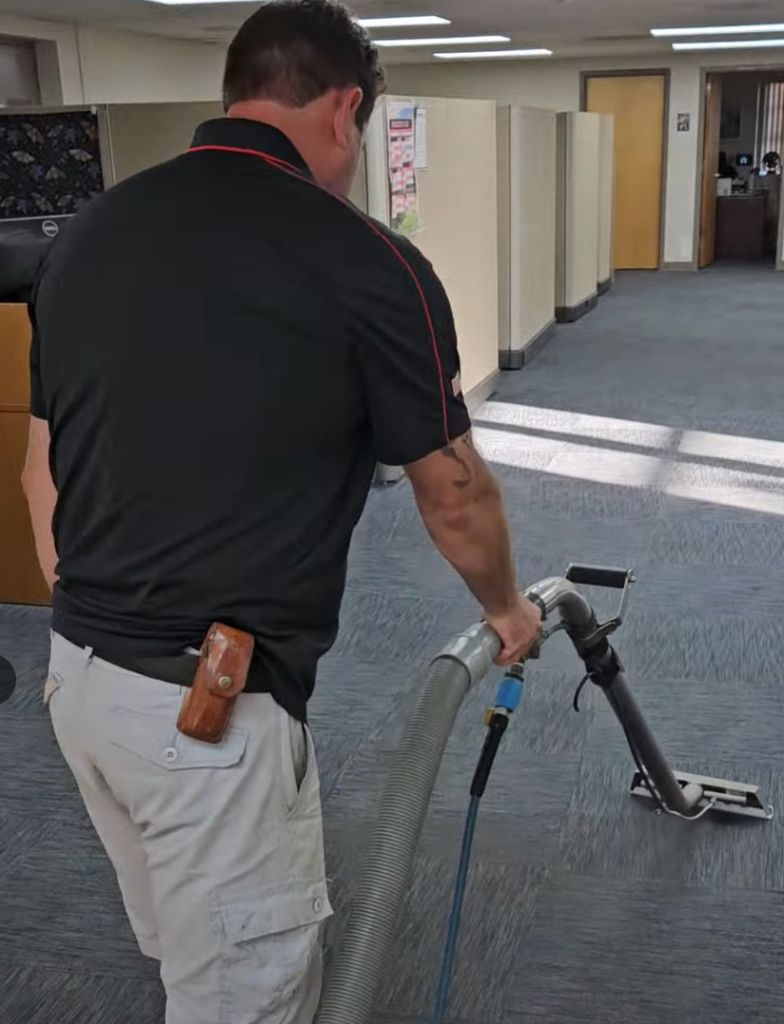
Nu-England Services, Co. has been installing and caring for carpets across New England since 1968. The team works with all major fiber types and can match the right construction, padding, and pile style to your specific rooms and household needs. Whether you are replacing a single room or outfitting an entire home, professional carpet installation from Nu-England Services, Co. means the fiber performs the way it was designed to. Nu-England Services, Co. also offers specialized cleaning services tailored to different fiber types, so your carpet stays cleaner and lasts longer. Contact Nu-England Services, Co. for a free quote and get expert guidance from a team that knows New England homes.
FAQ
What is the most durable carpet fiber?
Nylon is the most durable residential carpet fiber, with nylon 6,6 offering the best crush resistance and a lifespan of 12–15 years in high-traffic areas.
Which carpet fiber is best for pets and kids?
Triexta is the top choice for pet owners and families. It combines strong stain resistance with a soft feel and carries a lifetime stain warranty.
Is polyester carpet a good choice?
Polyester is a good choice for bedrooms and low-traffic rooms where softness and budget matter most. It resists water-based stains but struggles with oil-based spills and heavy foot traffic.
How does wool carpet compare to synthetic fibers?
Wool costs $5–$26 per square foot and offers natural resilience and luxury aesthetics that synthetics cannot fully match. It requires more careful maintenance and professional cleaning to stay in good condition.
Does carpet padding really affect fiber performance?
Yes. A pad with 6–8 pound density and 1/4 to 7/16 inch thickness supports the fiber structure and prevents premature breakdown. Skimping on padding shortens the life of any fiber type.
