
TL;DR:
- Pressure washing is most effective on durable, flat surfaces like concrete, vinyl siding, and outdoor furniture when using appropriate pressure levels and nozzles. Soft washing with low pressure and chemicals is essential for delicate materials like wood, roofs, and older painted surfaces to prevent damage. Proper technique, correct equipment, and surface-specific settings are crucial for safe, long-lasting cleaning results.
Pressure washing is a high-pressure water cleaning method that works best on durable, flat exterior surfaces like concrete driveways, patios, vinyl siding, and outdoor furniture. Knowing what can you pressure wash before you start protects your property from costly damage and gets you the best results. The core rule is simple: hard, non-porous materials handle high pressure well, while soft, porous, or delicate surfaces require either low pressure or a different method entirely. Get this right and pressure washing becomes one of the most effective tools in your home maintenance routine.
1. What can you pressure wash? Start with concrete
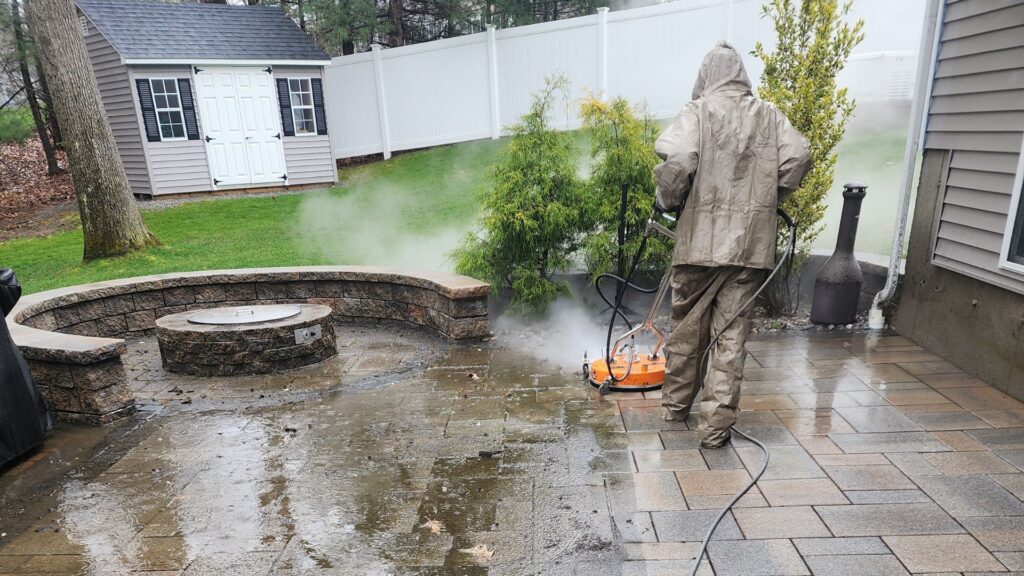
Concrete driveways, sidewalks, and patios are the most forgiving surfaces for pressure washing. They handle high PSI without damage and respond well to the mechanical force that blasts out embedded dirt, algae, mildew, and tire marks. For large flat areas, a surface-cleaner attachment delivers consistent, streak-free results far faster than a standard wand. Pool decks fall into this category too, though you should reduce pressure near expansion joints to avoid erosion.
Pro Tip: Use a 25-degree nozzle on concrete at 2,500 to 3,000 PSI and keep the wand moving in overlapping passes. Stopping in one spot etches the surface.
2. Wood decks and fences
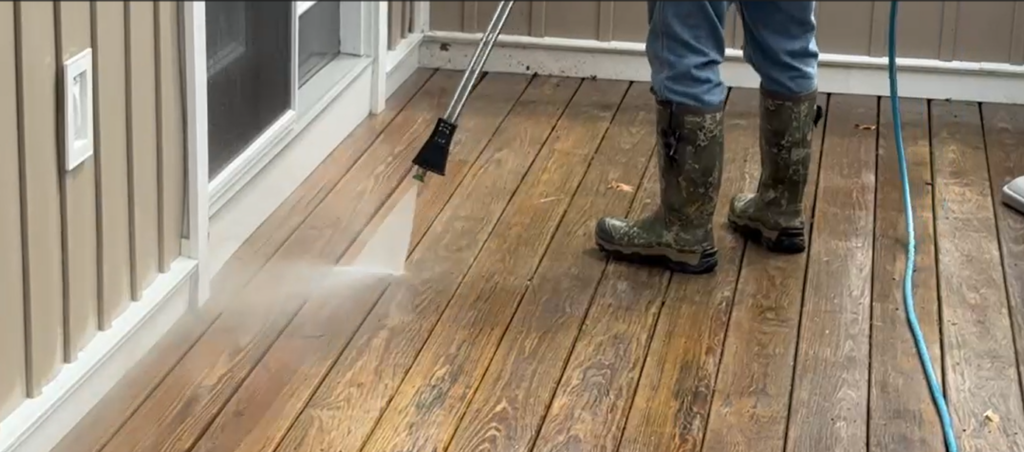
Wood is one of the most commonly pressure-washed surfaces and one of the most commonly damaged. Wood decks require 500 to 1,200 PSI to avoid splintering the grain or stripping the finish. Always test an inconspicuous board first and use a 40-degree nozzle to spread the force. Work with the grain, not across it, and keep the wand at least 12 inches from the surface.
Fences follow the same logic. Pressure washing removes years of gray weathering and prepares the wood for staining or sealing. The payoff in curb appeal is immediate, but patience with the pressure setting is what separates a clean deck from a ruined one.
3. Exterior house siding
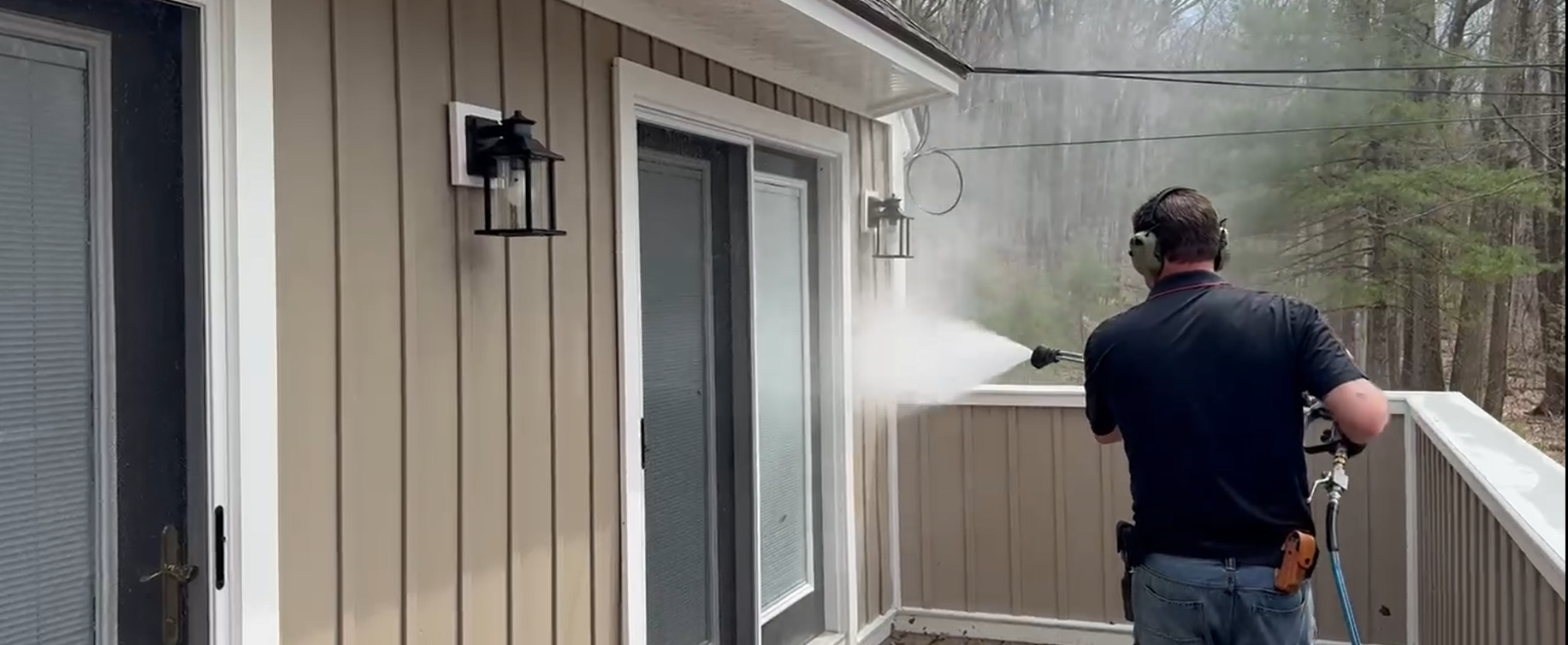
Vinyl siding is one of the best things to pressure wash on any home exterior. It tolerates moderate pressure well and sheds dirt, mold, and mildew quickly. Keep PSI between 1,200 and 1,500 and angle the spray downward to prevent water from forcing its way behind the panels. Painted wood siding is a different story. It sits in the “handle carefully” category because high pressure strips paint and can drive moisture into the wall cavity.
Fiber cement siding, such as HardiePlank, cleans well at low pressure with a detergent pre-soak. The key across all siding types is spraying downward, never upward into the laps.
4. Garage floors and garage doors
Garage floors accumulate oil stains, tire marks, and road grime that regular mopping cannot touch. Pressure washing at 2,500 to 3,000 PSI with a degreaser pre-treatment lifts oil stains that have been sitting for years. Apply the degreaser, let it dwell for five to ten minutes, then hit it with the pressure washer. A surface-cleaner attachment on the floor eliminates the streak lines that a wand leaves behind.
Garage doors made of steel or aluminum clean up quickly at 1,500 PSI. Avoid directing water into the door tracks or around the weatherstripping at the base.
5. Outdoor furniture
Plastic, metal, and teak outdoor furniture all respond well to pressure washing when you match the pressure to the material. Plastic chairs and tables handle 1,200 to 1,500 PSI without warping. Powder-coated metal furniture cleans at the same range. Teak and other hardwood furniture needs the same low-pressure approach as wood decks: 500 to 800 PSI with a wide-angle nozzle.
Always do a test patch on the underside of a chair leg before going full coverage. This takes 30 seconds and tells you immediately if the finish is going to hold.
6. Garbage cans and recycling bins
Garbage cans are among the most overlooked items for pressure washing on any property. They harbor bacteria, mold, and odors that build up over months. Lay the can on its side, apply a diluted disinfectant detergent, and pressure wash the interior at 1,500 PSI. Rinse thoroughly and let it air dry before use.
For commercial properties managing multiple bins, this is a quick job that makes a measurable difference in sanitation and odor control around loading docks and waste areas.
7. Vehicles, trailers, and bikes
Cars, trucks, motorcycles, and trailers are all suitable pressure wash surfaces with one firm rule: keep PSI at or below 1,200 for painted vehicle surfaces. Higher pressure strips clear coat and forces water into door seams. Use a 40-degree nozzle and stay at least 18 inches from the surface. Trailers and farm equipment tolerate higher pressure on unpainted steel frames.
Bicycles clean well at 800 to 1,000 PSI. Avoid directing the spray at bearings, bottom brackets, or derailleur pivots, since high-pressure water flushes out the grease those components need.
8. Grills and outdoor cooking equipment
Grease and carbon buildup on grills responds well to pressure washing after a degreaser application. Pressure washing at 2,500 to 4,000 PSI mechanically removes physical contamination like grease and baked-on residue that scrubbing alone cannot clear. Remove the grates and burners first, clean them separately, and pressure wash the exterior shell and drip tray.
Never pressure wash the interior of a gas grill while the burners are installed. Water in the gas lines creates a hazard that no amount of clean grates is worth.
9. Garden tools and play equipment
Shovels, rakes, wheelbarrows, and lawn mower decks all clean up fast with a pressure washer. Caked-on soil and grass clippings come off in seconds at 1,500 to 2,000 PSI. This is especially useful at the end of the growing season before storing tools for winter.
Plastic play equipment like swing sets and slides cleans well at 1,200 PSI with a mild detergent. Metal swing set frames handle higher pressure on unpainted steel. Check for rust spots after washing and treat them before they spread.
10. Driveways and walkways with staining problems
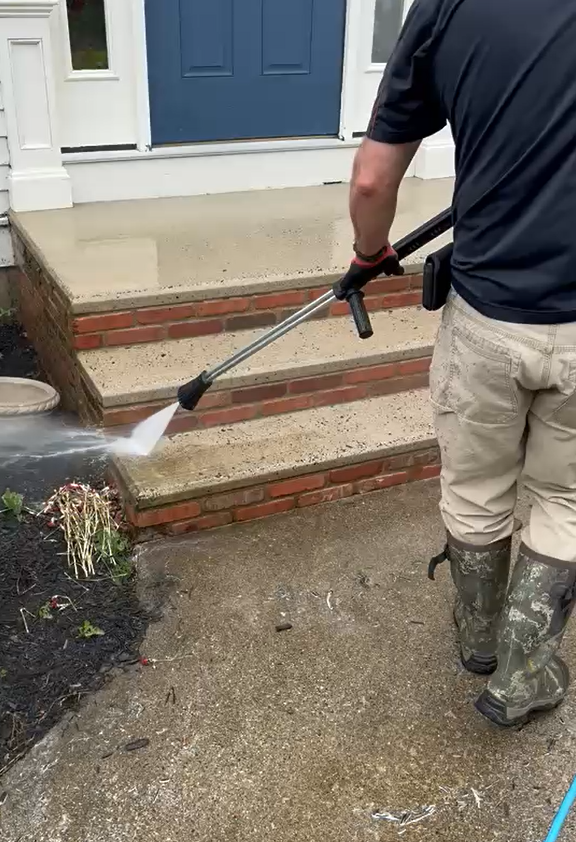
Oil, rust, and paint stains on driveways and walkways need a two-step approach. Apply a targeted pre-treatment, a degreaser for oil or a rust remover for iron stains, and let it work before pressure washing. Professional stain removal on driveways protects the long-term value of the surface by preventing stain penetration into the concrete matrix. For paint stripping, 3,000 to 4,000 PSI with a 15-degree nozzle is effective on concrete, but test first to confirm the concrete is sound enough to handle it.
Surfaces to avoid or handle with extreme care
Some surfaces should never be pressure washed, and others require such low pressure that a garden hose with a brush is often the safer choice. Roofs, glass, electrical fixtures, and delicate plants are all off the list for standard pressure washing. Roof shingles dislodge under pressure and void most manufacturer warranties. Glass windows can crack from pressure impact or allow water intrusion around the frame seals. For windows, professional window cleaning is the right call.
Stucco, historic brick, and older painted trim are also high-risk. Stucco cracks under pressure and absorbs water, leading to interior moisture damage. Wood and siding are higher-risk materials that often perform better with soft washing, which uses low pressure and chemical solutions to lift organic growth without mechanical force.
The single most important pressure washing rule: Most surface damage comes from incorrect pressure, wrong nozzles, or poor technique rather than pressure washing itself. The equipment is not the problem. The operator’s choices are.
Choosing the right pressure settings and nozzles
Matching PSI and nozzle angle to the surface is what separates safe cleaning from expensive repairs. Sorting surfaces by pressure tolerance before you start is the professional approach. The table below covers the most common scenarios.
| Surface | PSI range | Recommended nozzle |
|---|---|---|
| Concrete driveways and patios | 2,500 to 3,500 PSI | 25-degree (green) |
| Wood decks and fences | 500 to 1,200 PSI | 40-degree (white) |
| Vinyl siding | 1,200 to 1,500 PSI | 40-degree (white) |
| Vehicles and painted surfaces | 800 to 1,200 PSI | 40-degree (white) |
| Garage floors with stains | 2,500 to 3,000 PSI | Surface cleaner attachment |
Proper technique and accessory choice matter more for preventing damage than raw pressure alone. A surface-cleaner attachment on concrete and garage floors removes the guesswork from overlap and eliminates the tiger-stripe pattern that a wand leaves. For organic growth like algae and mold on siding or roofs, soft washing with a low-pressure chemical application outperforms high-pressure water every time.
Pro Tip: Always test your pressure setting on a hidden area for 10 seconds before cleaning the full surface. If the material shows any change in texture or color, drop the PSI or switch to a wider nozzle.
What pressure washing removes and how to prep
Pressure washing handles two broad categories of contamination. Physical contaminants like grease, oil, rust, paint, and tire marks respond to mechanical force. Organic growth like algae, mold, mildew, and lichen responds better to chemical treatment combined with lower pressure. Matching the cleaning method to the contamination type is the difference between a one-pass clean and a job you have to redo in six months.
Preparation steps that improve results:
- Pre-wet the surface to loosen surface dirt before applying detergent
- Apply degreaser or detergent and allow a five to ten minute dwell time on stained areas
- Clear the area of furniture, vehicles, and potted plants before starting
- Cover electrical outlets and light fixtures with plastic sheeting
- Rinse from top to bottom so dirty water runs away from already-cleaned sections
Post-wash care matters too. Sealing concrete after cleaning locks out future staining. Re-staining or sealing wood within two weeks of washing protects the grain and extends the life of the surface.
Key takeaways
Pressure washing works best when you match the method, pressure, and nozzle to the specific surface and contaminant type.
| Point | Details |
|---|---|
| Concrete is the safest surface | Driveways, patios, and sidewalks handle high PSI and respond well to surface-cleaner attachments. |
| Wood needs low pressure | Keep wood decks and fences between 500 and 1,200 PSI to avoid splintering and finish damage. |
| Avoid roofs, glass, and stucco | These surfaces risk serious damage from pressure washing; use soft wash or manual methods instead. |
| Match method to contamination | Use mechanical pressure for grease and oil; use soft wash chemicals for algae and mold. |
| Technique prevents damage | Wrong nozzle choice and poor angle cause more damage than the pressure setting itself. |
What 20 years of pressure washing jobs taught me
The mistake I see most often is homeowners renting the biggest machine available and going straight to maximum pressure. The logic makes sense on the surface: more power, faster clean. The reality is that over-aggressive pressure around joints and edges etches and erodes even durable concrete. I have seen driveways that looked sandblasted after one afternoon with the wrong nozzle.
The investment that changes everything is a surface-cleaner attachment. Most homeowners skip it because it looks like an extra expense. After using one on a 2,000-square-foot commercial parking lot, you understand immediately why professionals never go without it. The coverage is faster, the result is uniform, and you eliminate the fatigue of holding a wand for two hours.
My other strong opinion: pressure washing is not a substitute for soft washing on organic growth. If your siding has green algae or your driveway has black mold, blasting it with high pressure spreads the spores before it removes them. A low-pressure chemical application kills the growth at the root. The surface stays clean three times longer. That is not a minor difference. It is the entire point of knowing which method to use before you start.
Let Nes-co handle the jobs that need professional equipment
Some pressure washing jobs are straightforward weekend projects. Others, like removing years of oil staining from a commercial parking lot, stripping algae from a multi-story building’s siding, or cleaning post-construction debris from a new property, need professional-grade equipment and the experience to use it without causing damage. Nes-co has been serving New England homeowners and property managers since 1968 with exactly that kind of specialized cleaning work. If you want the job done right the first time, explore Nes-co’s specialized cleaning services in Massachusetts or request a free quote directly from the team.
FAQ
What surfaces can be pressure washed safely?
Concrete, patios, vinyl siding, wood decks, and outdoor furniture are all safe for pressure washing when you match the PSI to the material. Durable, non-porous surfaces handle the most pressure; softer materials like wood require settings below 1,200 PSI.
Can you pressure wash concrete driveways?
Yes. Concrete driveways are one of the best surfaces for pressure washing and handle 2,500 to 3,500 PSI without damage. A surface-cleaner attachment gives the most even result and eliminates streaking.
How do you pressure wash safely without causing damage?
Most surface damage comes from the wrong nozzle, incorrect distance, or too much pressure for the material. Always test on a hidden area first, use the widest nozzle that still cleans effectively, and keep the wand moving.
Should you pressure wash or soft wash siding?
Vinyl siding handles low-pressure washing well, but soft washing is the better choice for organic growth like algae and mold. Soft washing uses chemical solutions at low pressure to kill growth at the root rather than spreading it.
What should you never pressure wash?
Roof shingles, glass windows, electrical fixtures, stucco, and delicate painted trim should not be pressure washed. These materials risk cracking, water intrusion, or surface stripping under high-pressure water.
