
TL;DR:
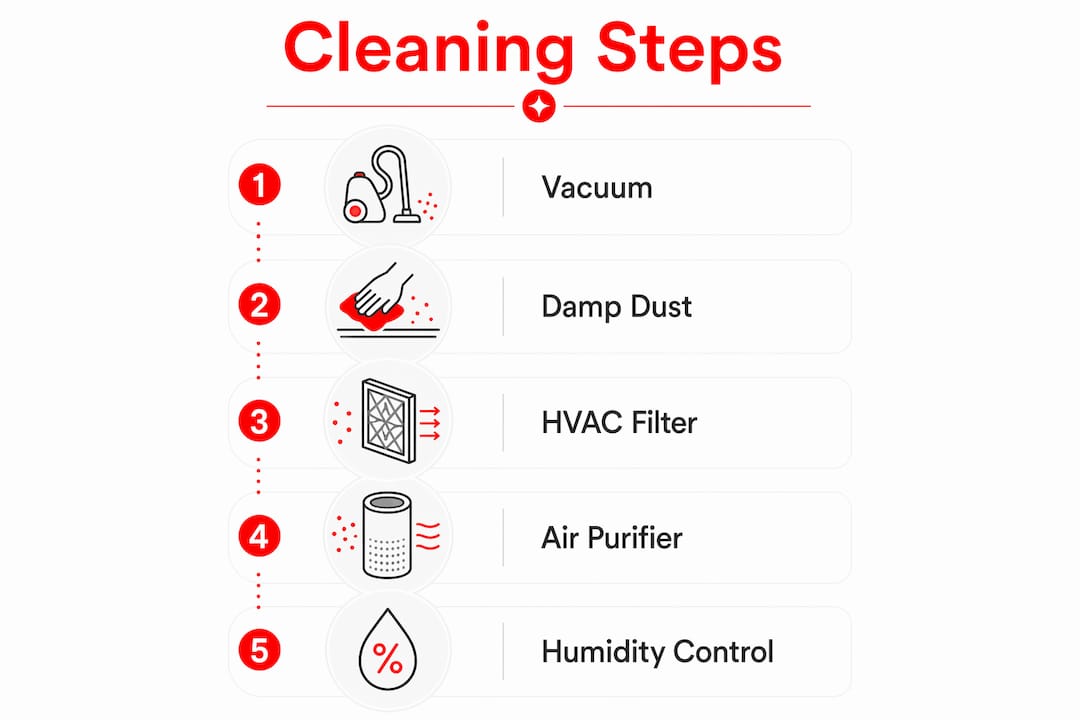
- Effective allergen reduction involves routine HEPA-filtered vacuuming, damp microfiber dusting, and weekly hot bedding washes. Implementing a no-shoes policy and controlling indoor humidity between 30% and 50% further minimizes dust and mold allergens. Combining source control, proper cleaning habits, and HVAC filtration significantly decreases indoor pollen and dust exposure.
Effective cleaning habits to reduce dust and pollen in your home or business are defined by four core practices: HEPA-filtered vacuuming, damp microfiber dusting, weekly hot bedding washes, and a strict no-shoes entryway policy. Together, these four strategies reduce allergen exposure by 50 to 80 percent. That number matters because indoor air can carry two to five times more pollutants than outdoor air, and most of those pollutants settle into carpets, upholstery, and bedding where you spend the most time. Whether you manage a commercial office in Worcester or a three-bedroom home in Sutton, the same principles apply. Start with the right habits, and you stop allergens at the source rather than chasing symptoms.
What are the most effective cleaning habits to reduce dust and pollen?
The single biggest mistake most people make is dry dusting. Dry dusting disperses allergens into the air rather than removing them, meaning you inhale what you just disturbed. Switch to damp microfiber cloths, which trap and hold particles instead of launching them into circulation. Work from high surfaces to low, so any dislodged dust falls onto areas you have not yet cleaned.
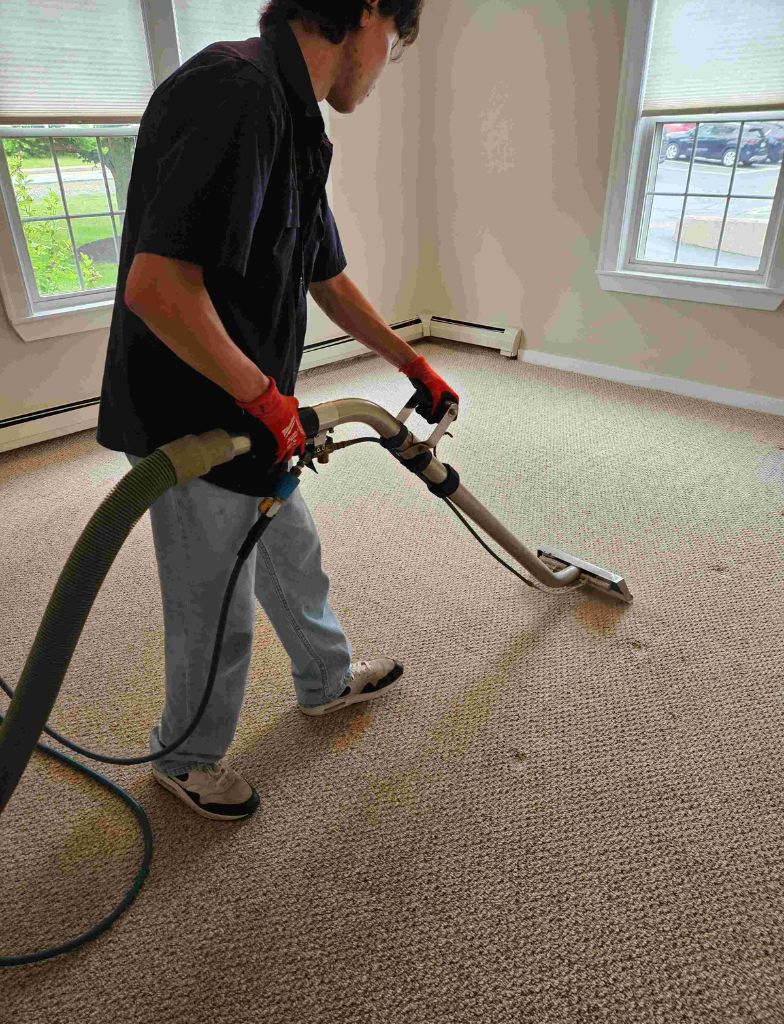
Vacuuming frequency and equipment matter just as much as technique. Run a vacuum at least twice per week on carpets, rugs, and upholstered furniture. The machine itself is critical: non-sealed vacuums exhaust allergens back into the room through their exhaust ports. Only vacuums with HEPA certification and fully sealed filtration prevent that recirculation. Brands like Miele, Dyson, and Shark each offer sealed HEPA models at different price points, so budget is not an excuse.
Bedding is one of the highest-concentration allergen zones in any building. Washing bedding weekly at 130°F or higher kills dust mites and flushes pollen residue from pillowcases and sheets. Most standard home washing machines reach this temperature on a sanitize or hot cycle. For business settings like hotels or medical offices, this is a non-negotiable protocol, not a suggestion.
The entryway is where allergen control either succeeds or fails before it starts. A dedicated drop zone for shoes and coats can prevent up to 80 percent of outdoor allergens from spreading beyond the front door. Set up a bench, a boot tray, and hooks within the first few feet of your entry. This single habit reduces the reactive cleaning load across every other room.
- Use damp microfiber cloths on all hard surfaces, including shelves, baseboards, and window sills
- Vacuum twice weekly with a sealed HEPA-filter vacuum on carpets, rugs, and upholstery
- Wash all bedding weekly on a hot cycle at 130°F minimum
- Enforce a no-shoes policy with a clearly designated entryway drop zone
- Wipe down pet paws and fur after every outdoor trip before allowing access to living areas
Pro Tip: Vacuum before you dust, not after. Vacuuming stirs up fine particles that settle on surfaces, so dusting last means you capture what the vacuum missed rather than cleaning the same surface twice.
How do HVAC and air purification systems reduce indoor allergens?
Your HVAC system is either your best ally or your biggest liability in allergen control. Standard fiberglass filters capture large debris but let fine particles like pollen and dust mite fragments pass straight through. MERV 13 filters capture 99.97% of particles as small as 0.3 microns, which includes pollen grains, dust mite waste, and mold spores. That level of filtration makes a measurable difference in air quality within days of installation.
Filter replacement timing is where most homeowners and facility managers fall short. Many people wait until they see visible dust buildup or notice worsening symptoms before swapping filters. Proactive replacement every three months with MERV 13 rated filters is the industry standard. During peak pollen seasons in spring and fall, monthly replacement is worth the added cost. A clogged filter does not just stop capturing particles. It restricts airflow and forces your HVAC to work harder, which shortens equipment life. For guidance on selecting the right filter, the team at Upright Construction and HVAC breaks down filter ratings clearly.
HEPA air purifiers complement your HVAC system but do not replace it. Place purifiers in the rooms where you spend the most time, typically bedrooms and main living areas. Match the purifier’s CADR (Clean Air Delivery Rate) to the room’s square footage. A unit rated for 150 square feet will underperform in a 400-square-foot open-plan office. Run purifiers continuously during allergy season rather than cycling them on and off.
| MERV Rating | Particle Size Captured | Typical Use |
|---|---|---|
| MERV 1–4 | Particles larger than 10 microns | Basic residential filters |
| MERV 5–8 | 3–10 microns (pollen, dust mites) | Standard residential and light commercial |
| MERV 9–12 | 1–3 microns (mold spores, fine dust) | Better residential, commercial buildings |
| MERV 13–16 | 0.3–1 micron (bacteria, smoke, allergens) | Hospitals, allergy-sensitive environments |
Air purifiers work best as a supplementary measure after cleaning habits and source control are already in place. Think of them as the last line of defense, not the first.
What are the best strategies to minimize pollen entry indoors?
Pollen control starts before you open a window. The timing of ventilation has a direct impact on how much pollen enters your space. Keep windows closed during early morning and early evening hours, when pollen counts peak. The safest windows for ventilation are mid-afternoon or immediately after rain, when pollen has settled or been washed from the air.
Follow this sequence on high-pollen days to keep outdoor allergens from following you inside:
- Check the local pollen count before leaving the house. Apps like Pollen.com and the American Academy of Allergy, Asthma and Immunology’s National Allergy Bureau provide daily counts by zip code.
- Change clothes immediately after returning indoors. Pollen clings to fabric, and wearing outdoor clothes inside transfers allergens directly to furniture and floors.
- Shower before bed on high-pollen days. Pollen accumulates on skin and hair throughout the day, and sleeping with it transfers the load to your pillow and bedding.
- Avoid line-drying laundry outdoors during peak pollen season. Sheets and towels act as pollen traps when hung outside, undoing the hot wash you just ran.
- Wipe down pet paws and fur before allowing pets back inside. Dogs and cats are effective pollen carriers, especially breeds with dense or long coats.
- Set up a complete entryway drop zone with a boot tray, coat hooks, and a small bench so shoes, bags, and outerwear stay near the door rather than moving through the building.
The order of operations matters here. Reducing pollen entry is more effective than relying on air purifiers to clean up what has already spread through your space. Prevention costs less effort than remediation.
How does humidity control affect dust mite and mold allergen levels?
Humidity is the hidden variable in allergen management. Dust mites and mold thrive above 50% humidity, and no amount of vacuuming eliminates them if the environment keeps replenishing their population. Keeping indoor humidity between 30% and 50% removes the conditions they need to survive and reproduce.
The practical steps for humidity control are straightforward:
- Monitor consistently. A digital hygrometer costs under $20 and gives you real-time readings. Place one in the bedroom, basement, and any room prone to moisture.
- Run exhaust fans during and after showers and cooking. Bathroom and kitchen moisture spikes are the most common sources of localized humidity buildup.
- Use a dehumidifier in basements and crawl spaces. These areas naturally run humid and feed moisture into the rest of the building through air circulation.
- Check for hidden moisture sources. Slow pipe leaks, condensation on windows, and poor attic ventilation all create damp zones where mold establishes itself before you see it.
- Address mold immediately. Visible mold on grout, caulk, or drywall is a sign of a moisture problem that cleaning alone will not fix. Treat the source, then clean the surface.
Humidity control reduces allergen sources that cleaning habits alone cannot reach. A dust mite population living inside a mattress or inside wall insulation is not accessible with a vacuum. Keeping the environment dry is the only way to suppress it at scale.
Key takeaways
Consistent cleaning habits combined with humidity control and smart ventilation timing deliver the most significant reduction in indoor dust and pollen exposure.
| Point | Details |
|---|---|
| Damp microfiber dusting | Always use damp cloths to trap dust rather than dispersing it into the air. |
| Sealed HEPA vacuuming | Only fully sealed HEPA vacuums prevent allergen recirculation during cleaning. |
| Hot bedding washes | Wash all bedding weekly at 130°F minimum to kill dust mites and remove pollen. |
| Entryway drop zone | A dedicated shoe and coat zone stops up to 80% of outdoor allergens at the door. |
| Humidity between 30–50% | Maintaining this range suppresses dust mite and mold growth that cleaning cannot reach. |
What I’ve learned from years of allergen-reduction work
After working in residential and commercial cleaning across New England for years, the pattern I see most often is this: people invest in air purifiers and then wonder why their symptoms persist. The purifier is doing its job. The problem is that shoes are still tracking pollen through the hallway, bedding is being washed monthly instead of weekly, and the HVAC filter has not been changed since last spring.
The fastest symptom relief I have observed comes from combining entryway protocols with filter upgrades, not from any single device or product. When a client installs a MERV 13 filter, sets up a boot tray at the front door, and commits to weekly hot bedding washes in the same week, the difference is noticeable within days. That combination addresses three separate entry and accumulation points simultaneously.
Pet management is consistently underestimated. Most allergy sufferers focus on pollen season but overlook the fact that their dog is depositing allergens on the couch every day of the year. Wiping paws, brushing pets outdoors, and keeping them off upholstered furniture makes a measurable difference that no air purifier can replicate.
The other thing I tell every client: schedule your cleaning, do not react to it. A twice-weekly vacuum and a Sunday bedding wash take less total time than a deep clean you do when symptoms force you to act. Routine prevents buildup. Buildup is what makes allergen control feel like an impossible task.
Professional allergen cleaning services from Nes-co

Nes-co has provided professional cleaning services across New England since 1968, and allergen reduction is one of the most requested outcomes from both residential and commercial clients. The team uses HEPA-filtered equipment on carpets, upholstery, and hard surfaces to remove embedded dust and pollen that routine cleaning misses. Seasonal spring cleaning services are specifically structured around allergy season preparation, targeting the areas where allergens accumulate most heavily over winter. For businesses managing office environments, medical facilities, or retail spaces, Nes-co’s special cleaning services in Massachusetts include customized plans built around your space, schedule, and allergen priorities. Contact Nes-co for a free quote and a cleaning plan tailored to your specific needs.
FAQ
What is the fastest way to reduce indoor allergens?
The fastest results come from combining a no-shoes entryway policy, a MERV 13 HVAC filter upgrade, and a hot bedding wash in the same week. These three steps address entry points, airborne particles, and contact surfaces simultaneously.
How often should I vacuum to control dust and pollen?
Vacuum at least twice per week using a sealed HEPA-filter vacuum. During peak pollen season, three times per week on high-traffic areas and upholstered furniture is more effective.
Do air purifiers actually reduce pollen indoors?
Air purifiers help, but they work best as a supplement after source control and cleaning habits are in place. A HEPA air purifier sized correctly to the room’s square footage using its CADR rating will capture airborne particles that cleaning misses.
What humidity level prevents dust mites from thriving?
Keep indoor humidity between 30% and 50%. Dust mites thrive above 50% humidity, so maintaining this range with a dehumidifier and exhaust fans suppresses their population without any chemical treatment.
When is the best time to open windows to avoid pollen?
Open windows during mid-afternoon or immediately after rain, when pollen counts are at their lowest. Avoid ventilating in early morning and early evening, which are peak pollen dispersal periods for most tree, grass, and weed species.
