
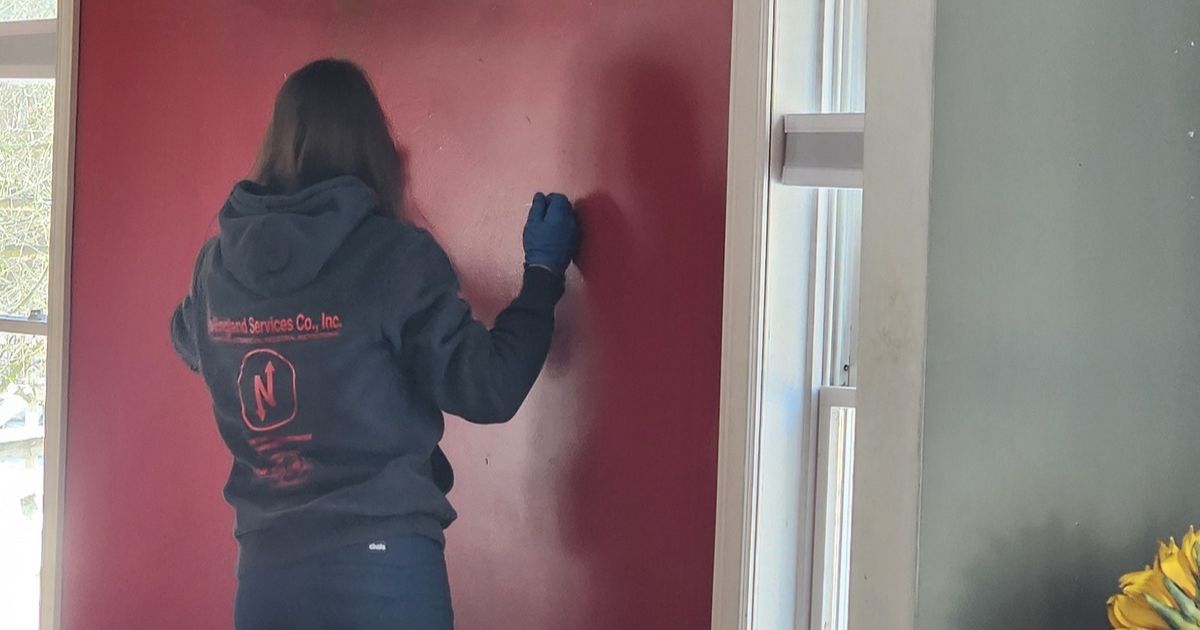
You should call a professional after construction or a renovation because construction dust is finer, heavier and more widespread than everyday household dust, and ordinary cleaning tends to move it around instead of removing it. Professional post-construction cleaning uses HEPA vacuums, wet wiping and a top-to-bottom process to clear dust from every surface, vent and ledge, so the new space is ready to live or work in, not just ready to look at.
This guide explains what makes construction dust different, what a thorough post-construction clean covers in homes and businesses, the steps to take before the crew arrives, what you can handle yourself, and when it makes sense to bring in a professional team in Central Massachusetts.
Table of Contents
TL;DR:
- Construction dust from drywall, concrete, sanding and cutting settles everywhere, including inside cabinets, vents and light fixtures, and dry sweeping just puts it back in the air.
- A proper clean works top to bottom with HEPA vacuums and damp cloths, usually in a rough clean, a final clean and a touch-up pass.
- In homes built before 1978, renovation can create lead dust. That work and its cleanup belong to a licensed lead-safe renovation contractor first, with the final clean after.
Why Construction Dust Is Different From Everyday Dust
Household dust is mostly lint, skin, pollen and outdoor soil tracked in on shoes. Renovation dust is a different material. Sanding drywall joint compound, cutting tile, grinding concrete and sawing wood break solid materials into very fine particles that drift through the house and settle on every horizontal surface, including places nobody touched during the project.
That fine dust causes three problems:
- It spreads. It rides on air currents, through doorways and into the heating and cooling system, so rooms down the hall get a coat too.
- It comes back. Dust that is pushed around with a broom or dry cloth goes back into the air and lands again an hour later.
- It can be harmful. Concrete, stone, tile and grout contain crystalline silica. CPWR, The Center for Construction Research and Training, explains on its Silica Safe housekeeping guidance that OSHA’s construction silica rule does not allow dry sweeping, dry brushing or compressed air for cleanup where it could add to workers’ exposure, and points to HEPA vacuums and wet methods instead. That rule protects workers, but the logic applies in your home too.
Older New England housing stock adds one more concern. The EPA’s lead-safe renovation guidance for do-it-yourselfers says homes built before 1978 may have lead-based paint and that renovation, repair and painting can easily create dangerous lead dust. A lot of homes in Worcester County fall into that category.
What Professional Post-Construction Cleaning Includes
A good post-construction clean is organized by phase and by height. Crews work from the ceiling down so dust falls onto surfaces that haven’t been cleaned yet, and they finish with the floors.
The three phases
| Phase | When it happens | What gets done |
|---|---|---|
| Rough clean | After the heavy work, before final finishes like paint touch-ups and fixtures | Debris, scraps, packaging and the bulk of the dust removed; floors vacuumed so trades are not working in a mess |
| Final clean | When the trades are finished and the space is ready to hand over | Every surface HEPA vacuumed and wet wiped, inside and out of cabinets and closets, windows, fixtures, vents and floors |
| Touch-up clean | Just before move-in, opening day or the final walk-through | Dust that resettled, fingerprints from the punch list, and a last pass on floors and glass |
What a final clean covers
- Ceilings, crown molding, light fixtures and ceiling fans
- Walls, window and door trim, baseboards and outlet covers
- Supply and return registers and the area around them
- Windows, sills, tracks and frames, inside and out where reachable
- Cabinets and drawers inside and out, shelves and closet rods
- Counters, sinks, faucets, appliances and new fixtures, with sticker and label residue removed
- Bathrooms, including tile, grout lines and glass
- Floors vacuumed and then cleaned the right way for the surface: hard floors damp mopped, carpet vacuumed and, when needed, hot water extracted
Pro Tip: Ask your contractor to leave the protective film on new appliances and the paper on new floors until the final clean. Peeling it early means the dust lands on the finished surface instead of the cover.
Why Call a Professional After Construction and Renovations
Plenty of homeowners plan to clean up themselves after the contractor leaves. Most of them are still wiping dust off the same shelves three weeks later. Here is why professional post-construction cleaning makes the difference.
1. The right equipment removes dust instead of moving it
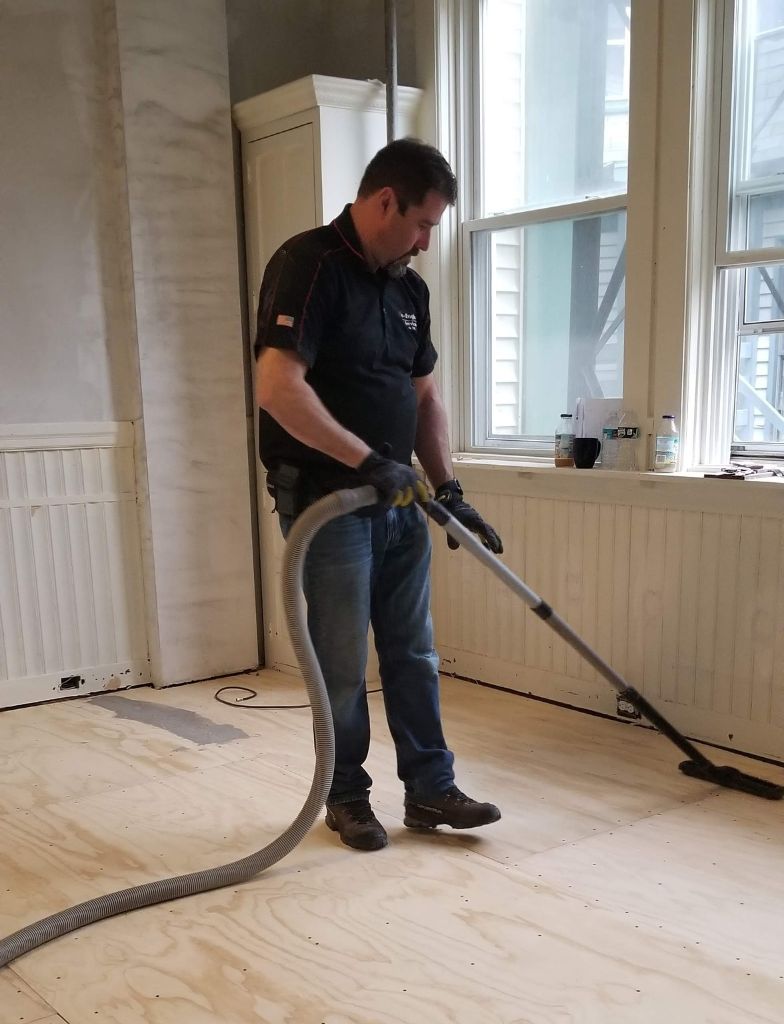
Household vacuums without sealed HEPA filtration can blow the finest particles straight back out of the exhaust. Professional crews work with HEPA vacuums and a two-bucket system for damp wiping, so the dirty water never goes back on a clean surface. We explain that method in our post on why professionals keep clean and dirty water separate.
2. It protects the finishes you just paid for
New floors, cabinets, stone counters and fixtures are easy to scratch when grit is dragged across them. Knowing which cleaner and which pad is safe on which surface keeps a new floor looking new.
3. It protects your heating and cooling system
The EPA’s guidance on whether to have your air ducts cleaned advises sealing off supply and return registers during dust-producing renovation work and not running the heating and cooling system until after the dust is cleaned up. If dust has already reached the ducts, the system spreads it every time it runs. A thorough clean, plus a fresh filter at the end, keeps that from happening.
4. It saves days, not hours
A whole-house final clean is a big job for one or two people working evenings. A trained crew can finish in a day what would take a family a week, which matters when the movers are booked or the business needs to open.
5. Businesses get a space that is ready for people
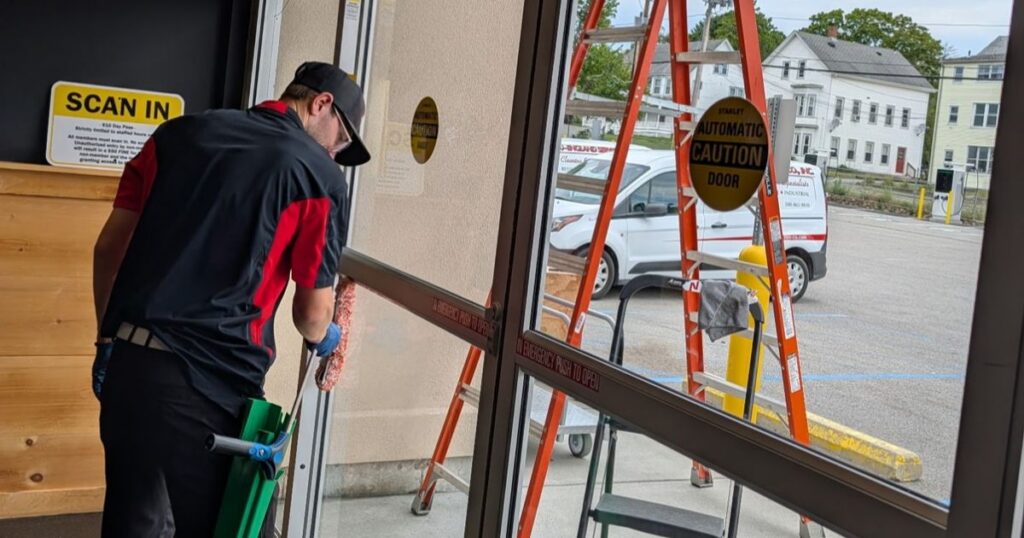
For offices, retail, schools and medical suites, the clean is part of the handover. Tenants, staff and customers judge the new space on its first day. Our commercial cleaning team works around construction schedules and can move straight into ongoing janitorial care afterward. If you manage several buildings, our post on what property managers need from a cleaning service covers what to put in a scope.
Post-Construction Cleaning for Homes vs Businesses
The method is the same, but priorities and timing are different.
| Homes | Businesses | |
|---|---|---|
| Typical projects | Kitchen and bath remodels, additions, finished basements, flooring replacement, whole-house renovations | Tenant fit-outs, office and retail renovations, new construction, school and medical suite projects |
| Main concerns | Kids, pets, allergies, living in the house during work, protecting new finishes | Opening dates, inspections, tenant impressions, safety and downtime |
| Timing | Often done in stages while the family lives around the work | Usually tied to a certificate of occupancy, punch list or opening day |
| What comes after | Regular home cleaning, carpet and upholstery cleaning as needed | A janitorial schedule and a floor care program for the new surfaces |
Pro Tip: For commercial projects, book the final clean before the walk-through date, not after it. A clean space makes punch-list items easier to see, and the touch-up pass can follow the last repairs.
How to Prepare for a Post-Construction Clean
A few steps before the crew arrives make the clean faster and better.
- Confirm the trades are done. If the painter or electrician comes back after the final clean, plan for a touch-up pass.
- Have debris hauled away. Large scraps, packaging and dumpsters are usually the contractor’s job, and cleaning goes faster once they are gone.
- Keep the HVAC off until the dust is cleaned up, as the EPA advises, then replace the filter when the clean is done.
- Make a list of special surfaces. Natural stone, unsealed grout, new hardwood or specialty glass may need specific products.
- Clear access. Make sure water and power are on and the crew can reach every room, closet and window.
A note on lead in pre-1978 homes
Massachusetts has its own rules here. According to the state’s lead-safe renovation information for homeowners, paid renovation, repair or painting in pre-1978 housing that disturbs more than 6 square feet of painted surface per room inside, or more than 20 square feet outside, must be done by a licensed lead-safe renovation contractor. That contractor is responsible for containing and cleaning up lead dust from the work. A post-construction cleaning crew comes in after that cleanup, not instead of it. This is general information, not legal advice; check with the Department of Labor Standards for your situation.
DIY or Professional: What You Can Handle Yourself
We will be honest: not every project needs a crew. A small painting job or a new light fixture usually means a vacuum, a damp cloth and an afternoon. If you do it yourself, follow the same approach the professionals use:
- Use a HEPA vacuum, not a broom, and empty it outside.
- Work top to bottom and finish with the floors.
- Wipe with damp microfiber cloths and change or rinse them often.
- Don’t use a leaf blower or compressed air to “blow out” dust.
- Change the furnace or air handler filter when you are done.
Call a professional when any of these are true:
- The project involved drywall sanding, tile or stone cutting, concrete work or floor sanding.
- Dust has reached rooms beyond the work area or the heating and cooling system ran during the work.
- Someone in the home has allergies or asthma, or you have young children.
- You have a move-in date, a listing photo shoot or a business opening on the calendar.
- The space is commercial, large, or has high ceilings, fixtures or windows that need ladders or lifts.
Our post-construction cleaning service is built for these jobs. If dust and allergies are your biggest concern afterward, our post on cleaning habits that reduce dust and pollen at home will help keep it under control.
Field Perspective
After decades in this business, our view is simple: the clean is the last step of the construction project, not the first step of living in it. People budget carefully for cabinets and flooring and then plan to “wipe things down” on a Saturday. The dust always wins that fight. It shows up on the new counters every morning for weeks, and it ends up in the carpet, the furniture and the air handler.
We would rather see a homeowner or facility manager plan the cleaning the same way they plan the electrician: on the schedule, in the budget, with a clear scope. Done in the right order, professional post-construction cleaning is the difference between a renovation that feels finished and one that still feels like a job site.
How Nu-England Services Helps After Construction
Nu-England Services has been a family-owned company since 1968, working from our office and showroom on Route 146 in Sutton. We clean homes and commercial buildings across Central Massachusetts, and we are licensed, bonded and insured with background-checked technicians.
Our post-construction cleaning in Massachusetts covers rough, final and touch-up cleans for renovations and new construction, top to bottom, with eco-friendly products that are safe for families and pets. Because we also handle carpet cleaning and specialty work like tile and grout and window cleaning, one team can take the space from construction dust to move-in ready. When the project is done, we can keep it that way with home cleaning in Worcester and nearby towns or a commercial cleaning schedule. Every job ends with a final walk-through and our satisfaction guarantee.
We serve Worcester County and nearby towns, including Sutton, Millbury, Grafton, Shrewsbury, Westborough, Marlborough, Leominster and Fitchburg.
FAQ
What is post-construction cleaning?
Post-construction cleaning is a detailed clean done after building or renovation work to remove construction dust, debris and residue from every surface. It usually happens in phases: a rough clean after the heavy work, a final clean when the trades are done, and a touch-up clean before move-in or opening.
How long after a renovation should I schedule cleaning?
Schedule the final clean once all trades are finished and debris has been hauled away. Book it a few days ahead of your move-in date, walk-through or opening so there is time for a touch-up pass if any work happens afterward.
Is construction dust harmful?
It can be. Dust from concrete, stone, tile and grout can contain crystalline silica, which is why worker safety rules call for HEPA vacuums and wet cleaning instead of dry sweeping. In homes built before 1978, renovation can also create lead dust, which the EPA calls dangerous.
Should I run my furnace or air conditioning during a renovation?
EPA guidance recommends sealing supply and return registers during dust-producing work and not running the heating and cooling system until the dust has been cleaned up. Replace the filter after the clean.
Do I need post-construction cleaning for a small project?
Not always. A small paint job or fixture swap can usually be cleaned with a HEPA vacuum and damp cloths. Projects with drywall sanding, tile or concrete cutting, or dust that spread to other rooms are where a professional clean pays off.
Ready to get your renovated home or business move-in ready? Call Nu-England Services at (508) 865-9810 or request a post-construction cleaning quote online.
