
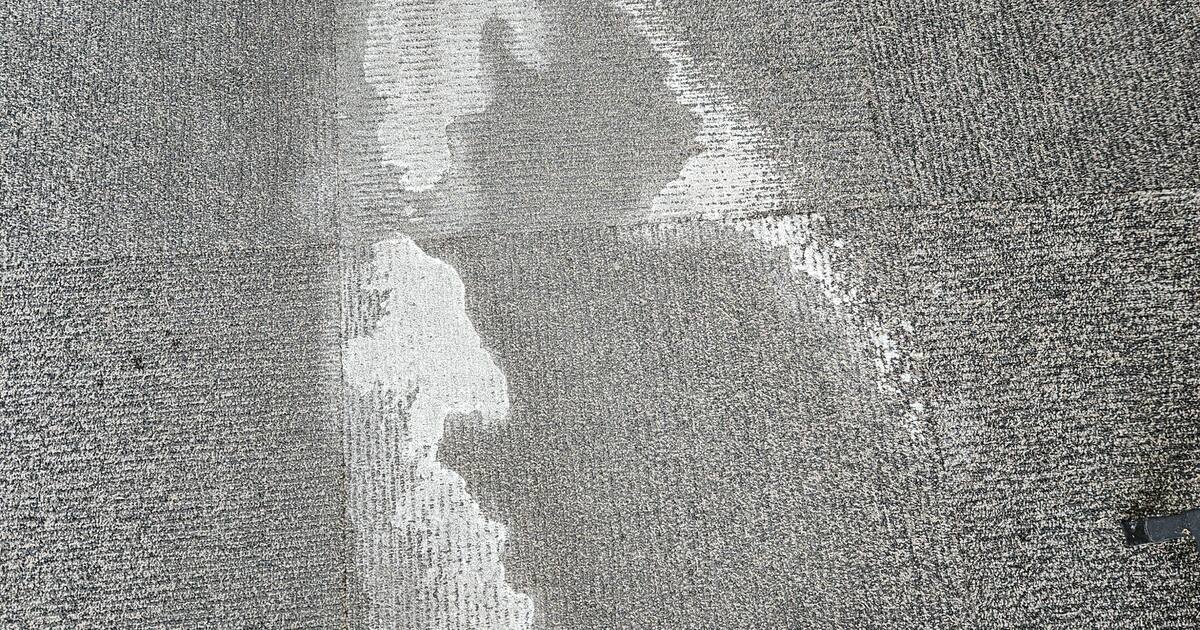
To get salt stains on carpet out, vacuum up the dry crystals first, then blot the white ring with a mix of warm water and white vinegar, rinse with plain water and blot dry. To protect your floors all winter, stop the salt at the door with a long walk-off mat, a boot tray and a no-shoes habit, and clean hard floors with a neutral cleaner instead of a wet mop. If the white haze keeps coming back after it dries, the salt has soaked into the backing and the carpet needs a professional hot water extraction.
Every winter in Central Massachusetts, road salt, sand and slush ride into homes and offices on boots, pant cuffs and dog paws. In this guide, Nu-England Services explains why salt leaves those stains, how to remove them from carpet, rugs, hardwood and vinyl, how to set up an entryway that stops most of it, and when it is time to call a pro.
TL;DR:
- Vacuum dry salt first, then blot (never scrub) with warm water and white vinegar, rinse and dry fast.
- A walk-off mat at least two strides long, a boot tray and a shoes-off rule keep most salt and grit off your floors.
- If white rings return after drying or the carpet feels crunchy, the salt is deep in the fibers and backing and needs professional extraction.
Table of Contents
Why Does Road Salt Leave White Stains on Carpet?
Road salt does not stain carpet the way coffee or red wine does. It dissolves in slush, wicks into the fibers, and when the water evaporates the salt crystallizes again and leaves a chalky white line. That is why salt stains on carpet often show up as rings or tide marks a day or two after a snowstorm, right where the wet boots sat.
The mix on Massachusetts roads matters too. According to MassDOT’s snow and ice operations FAQ, rock salt works best once snow has built up and the temperature is 20°F or higher, calcium chloride is used to melt ice below 20°F, and the liquid sprayed on roads before a storm is most likely calcium chloride. Sand goes down for traction. So what comes in on your boots is a blend of salt, chloride brine and grit.
Each part causes its own trouble:
- Rock salt dries into stiff, white crystals that dull the color and make the pile feel crunchy.
- Calcium chloride brine tends to stay damp and leaves a filmy, slightly greasy residue that grabs new dirt.
- Sand and grit act like sandpaper underfoot, cutting carpet fibers and scratching hardwood and vinyl finishes.
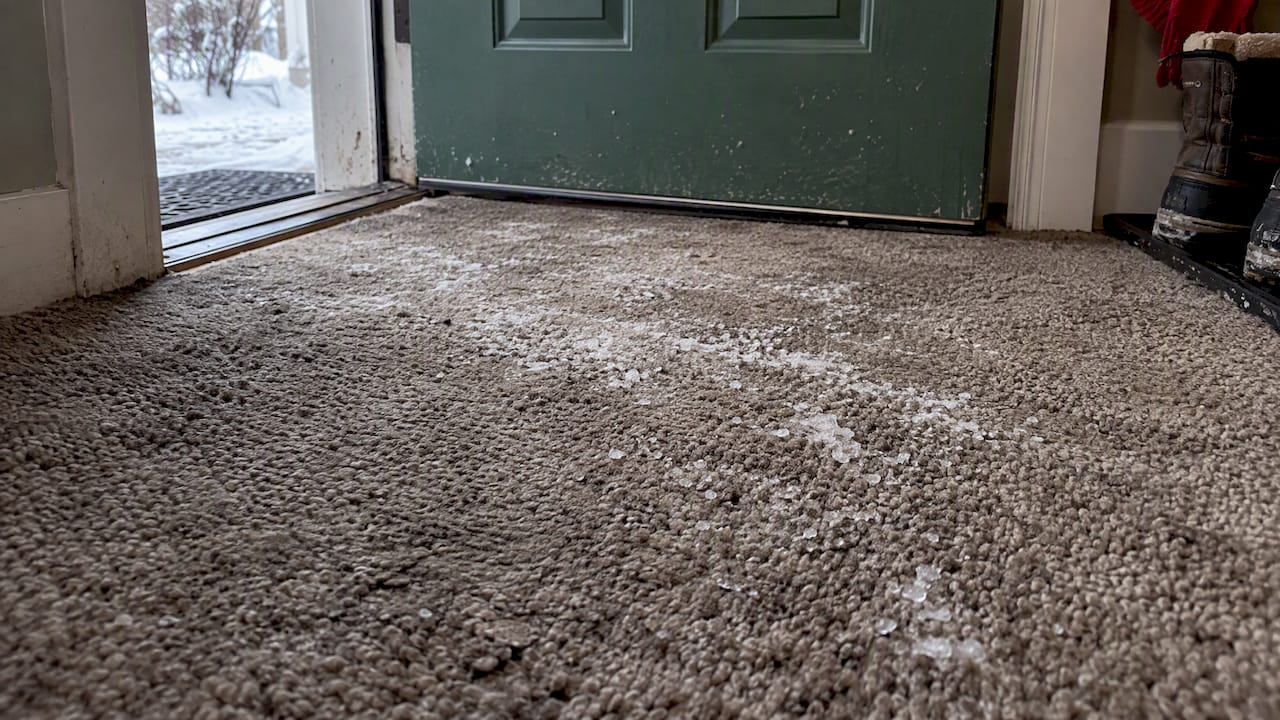
How Do You Get Salt Stains on Carpet Out?
The method below works on most synthetic carpets (nylon, polyester, triexta) when the stain is fresh or only a few days old. It follows the same basics the Carpet and Rug Institute’s care guide gives for spot removal: test first, blot instead of scrubbing, and rinse out whatever you put in.
Step 1: Let it dry and vacuum
Wet salt spreads when you wipe it. Let the area dry, then vacuum slowly in several directions to lift the loose crystals and sand before any liquid touches the carpet.
Step 2: Mix a mild solution
Mix equal parts warm water and white vinegar in a spray bottle or bowl. The CRI guide lists a one-to-one white vinegar and water solution among its spotting agents. For a greasy calcium chloride film, the guide’s mild detergent solution also works: about a quarter teaspoon of clear dishwashing liquid in a cup of warm water.
Step 3: Test in a hidden spot
Put a few drops on a hidden area, like inside a closet, and press a white cloth on it for about 10 seconds. If color transfers or the fibers change, stop and call a professional.
Step 4: Blot from the outside in
Lightly dampen the stain, not soak it, and let the solution sit a few minutes. Blot with a clean white cloth, working from the edge of the ring toward the center so you do not spread it. Do not scrub.
Step 5: Rinse and dry fast
Blot with plain cold water to rinse out the vinegar or detergent, since leftover residue attracts dirt. Then press a stack of white paper towels on the spot with something heavy on top, and run a fan. Carpet that stays wet for a long time can wick the stain back up as it dries.
Pro Tip: If a white ring reappears after the spot dries, repeat the rinse step once with plain water. If it comes back a third time, the salt is in the backing and more spot cleaning will only overwet the pad.
What Should You Not Do With Salt Stains?
Most salt damage gets worse during cleanup. Avoid these mistakes:
| Mistake | What it does | Do this instead |
|---|---|---|
| Scrubbing with a brush | Frays and untwists the yarn, leaving a fuzzy spot | Blot with a white cloth from the edge in |
| Soaking the area | Drives brine into the pad and backing, where it wicks back up | Dampen lightly, rinse, and dry fast |
| Strong household cleaners or bleach | Can strip color and leave sticky residue that resoils | Warm water and vinegar, or a mild clear detergent |
| Steam mops on hard floors | Can damage hardwood and vinyl finishes | Dry mop, then a neutral pH cleaner |
| Rubber-backed mats on vinyl | Rubber can permanently stain vinyl flooring | Use a mat with a non-staining backing |
| Waiting until spring | Grit wears traffic lanes and salt sets into the fibers | Vacuum entries daily during storms and spot-treat weekly |
How Do You Clean Salt Residue Off Hardwood and Vinyl Floors?
Hard floors show salt as a dull white haze, and the grit underneath is what scratches them.
How should you clean salt off hardwood floors?
Sweep or vacuum with a hard floor setting first to get the sand up. Shaw’s hardwood care guide calls for walk-off mats at entrances, area rugs at high-traffic and pivot points, a neutral pH cleaner, and no wet mops or steam mops. Use a well-wrung microfiber pad with a neutral cleaner made for wood, wipe off the haze, and dry any wet spots right away. Shaw also recommends keeping indoor humidity between 35 and 55 percent to prevent warping, which matters when the furnace runs all winter.
How should you clean salt off vinyl and LVP?
Luxury vinyl handles water better than wood, but grit still scratches the wear layer. Karndean’s care and troubleshooting guide points to excess grit as the cause of scratching, recommends entrance matting at least two paces deep, advises against steam mops on vinyl, and warns that rubber can permanently stain vinyl, so choose mats and rugs with a non-staining backing. Sweep, then damp mop with the cleaner your floor’s maker recommends. For more on how that top layer holds up, see our guide to what vinyl wear layers mean for your floor.
How should you clean salt off tile and grout?
Tile itself shrugs off salt, but grout is porous and holds the brine. Rinse with warm water and a neutral cleaner, and if the lines stay dark or chalky by spring, our article on tile and grout cleaning explains what a deep clean involves.
How Can You Protect Floors and Carpets All Winter?
The cheapest salt stain is the one that never gets inside. Here is the setup we suggest for New England homes, where mud season follows the salt season.
- Put a scraper mat outside. A coarse outdoor mat knocks off snow, sand and chunks of ice before anyone opens the door.
- Use a long walk-off mat inside. Karndean suggests entrance matting at least two paces deep. A small welcome mat only catches the first step.
- Add a boot tray. A tray with a lip holds meltwater so it does not soak into the mat or the floor beside it.
- Set a shoes-off rule. A bench and a basket of slippers make it easy.
- Clean the mats. The CRI guide says to clean entry mats often and remove embedded soil weekly by shaking or brushing them. A full mat stops working and starts spreading salt.
- Wipe paws. Keep an old towel by the door for the dog.
- Vacuum the entry daily during storms. The CRI recommends vacuuming at least once a week and high-traffic areas more often. In a snowy week, the front hall is the highest-traffic area you have.
The simple rule: stop it at the door, vacuum it dry, and rinse it before it sets.
Pro Tip: Put a washable area rug in the path from the door to the kitchen for the winter. It takes the wear instead of your wall-to-wall carpet or hardwood, and you can have it cleaned in spring.
What about offices and commercial entrances?
Karndean’s commercial guidance also calls for mats big enough for two paces with each foot, cleaned regularly. Property managers should plan for more frequent vacuuming of lobby carpet, daily removal of salt film on hard floors, and an entry mat schedule for the winter months. Our article on the key features of commercial floor care covers how a full floor care program fits together.
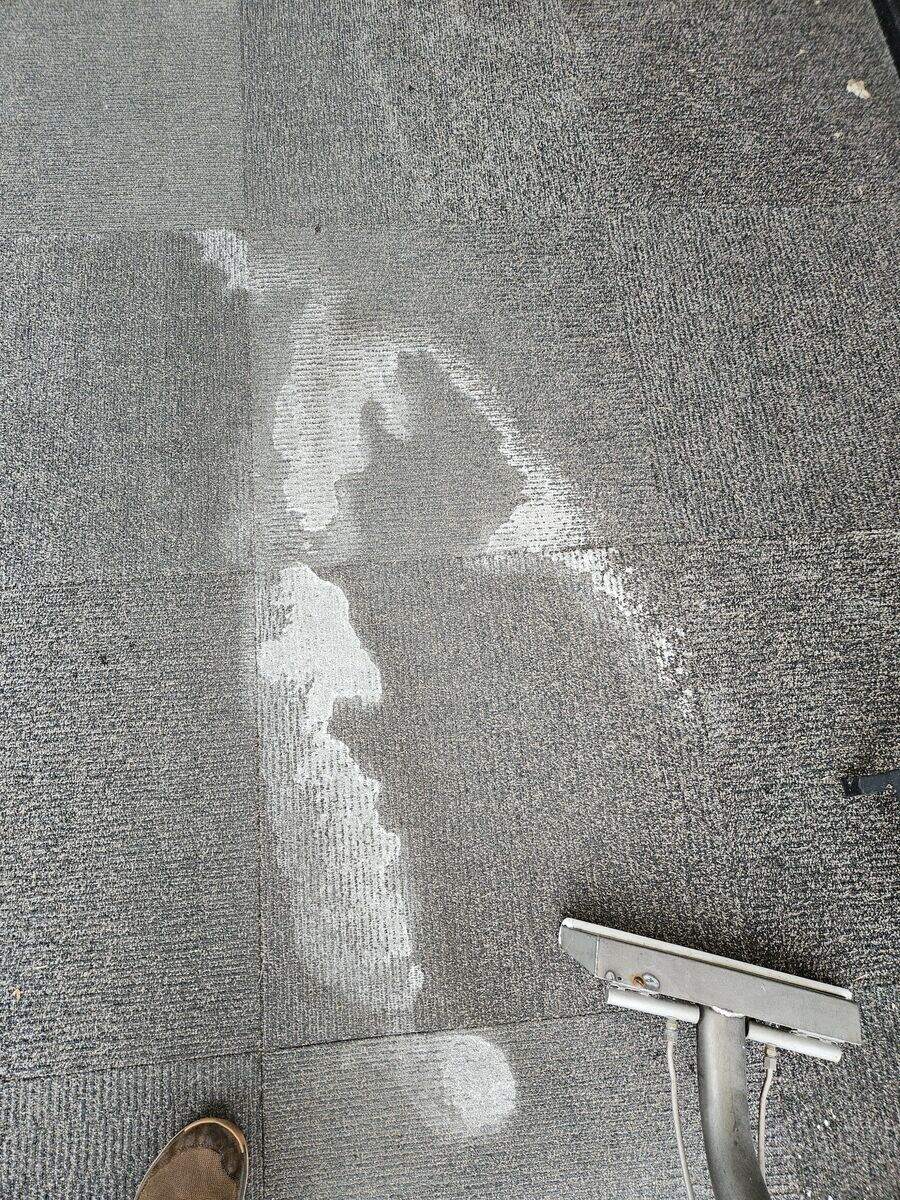
When Should You Call a Professional Carpet Cleaner?
DIY spot cleaning handles a fresh ring by the door. It cannot pull salt out of the carpet backing and pad, and it cannot rinse an entire traffic lane. Call a pro when you see these signs:
| What you see | What it usually means | Best next step |
|---|---|---|
| A small fresh ring that fades after one treatment | Salt is on the surface | DIY blot and rinse is fine |
| Rings that come back after every treatment | Salt is in the backing or pad | Professional hot water extraction |
| Crunchy or stiff pile across a traffic path | Heavy crystal buildup | Professional extraction with a thorough rinse |
| A gray traffic lane from the door | Salt film is holding grit and soil | Pre-spray and extraction, then regular vacuuming |
| Wool, silk or Oriental rug with white marks | Delicate fibers and dyes at risk | Professional rug cleaning, no DIY |
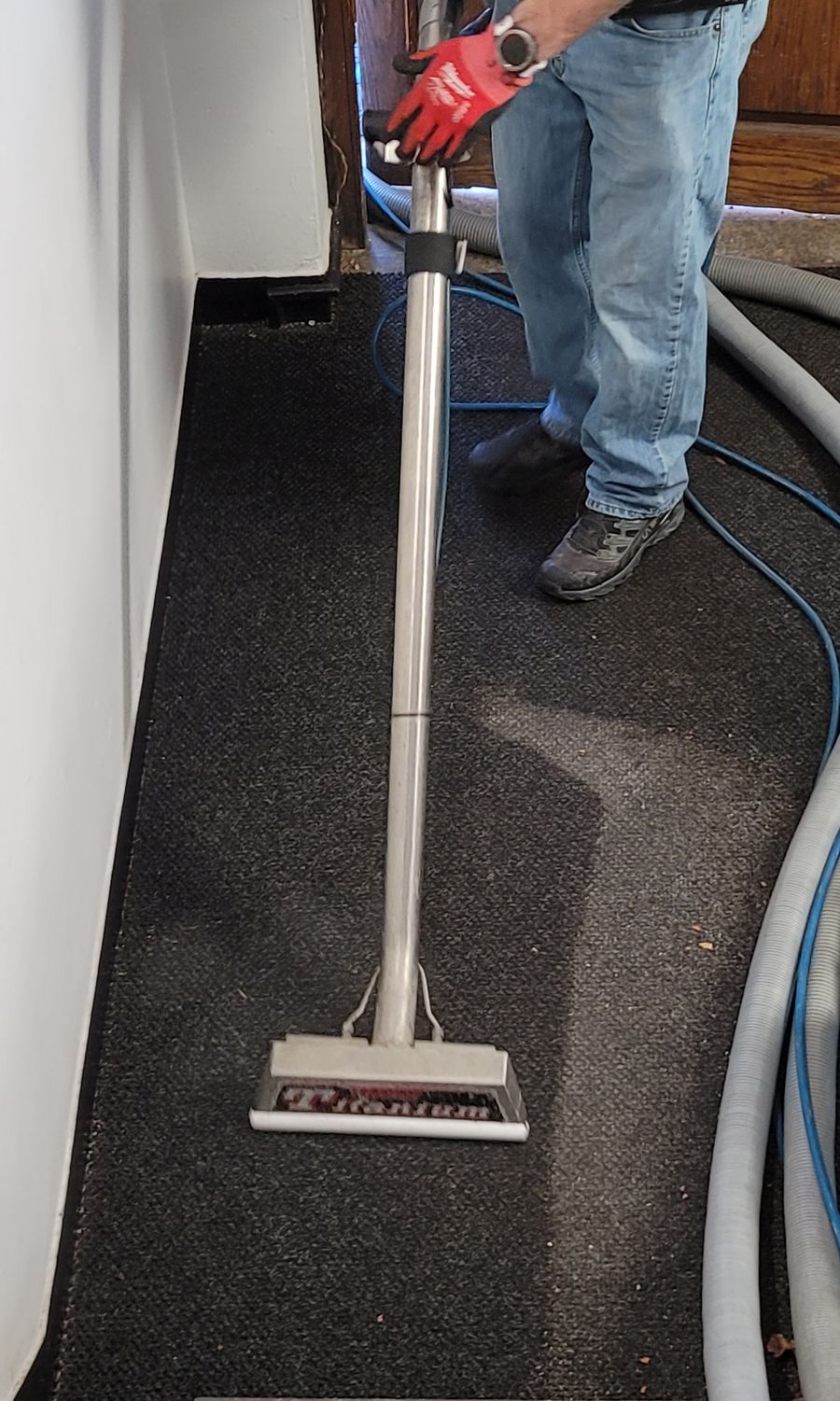
The CRI recommends restorative cleaning every 12 to 18 months. If your carpet is due anyway, late winter or early spring, after the last big storm, is a good time to book it. Our professional carpet cleaning service uses hot water extraction to flush salt and grit out of the fibers and recover the rinse water. Our post on what carpet cleaners do walks through the methods in more detail.
Area rugs are a separate case. Wool and Oriental rugs need fiber-specific products, and the CRI guide notes that wool cleaners should stay in a pH range of about 5 to 8. For those, our area and Oriental rug cleaning includes pickup and delivery.
Pro Tip: Ask any carpet cleaner how they rinse. Salt and detergent left in the carpet attract new soil fast, so a thorough rinse is what keeps the entry from going gray again in two weeks.
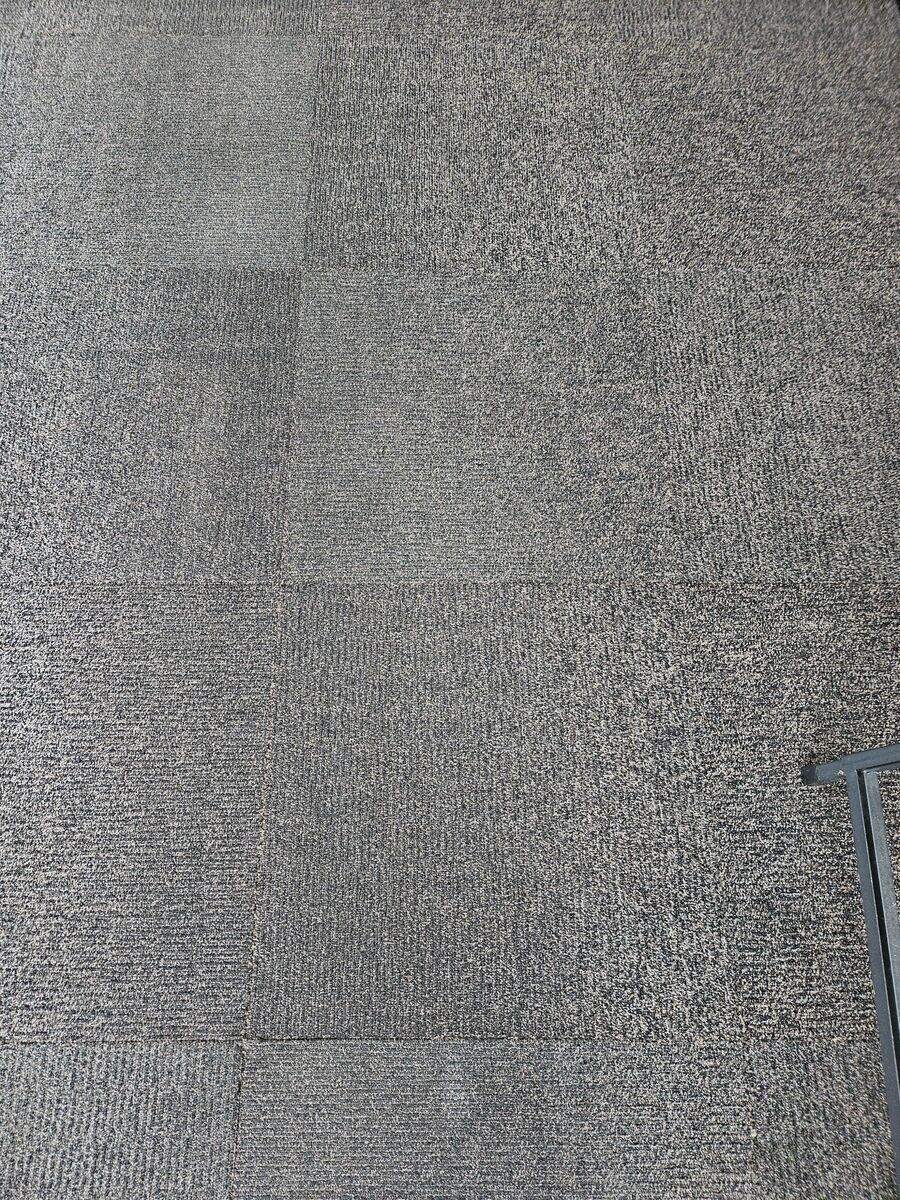
Field Perspective: Is Winter Salt Damage Worth Worrying About?
After more than 55 years of cleaning carpets and floors in Central Massachusetts, our view is simple. Salt is not usually what ruins a carpet. Neglect is. One winter of salt, rinsed out in spring, does little lasting harm. Several winters of salt and sand ground into the same path, never rinsed, wear the fibers down until no cleaning brings them back, and at that point the honest answer is replacement.
The homeowners and facility managers who get the longest life from their floors do a few boring things well. They invest in good mats, they vacuum entries often, and they schedule a deep clean before the damage sets in. If you are already past that point, our flooring showroom in Sutton can help you choose a surface that stands up to New England winters.
How Does Nu-England Services Help With Winter Floor Care?
Nu-England Services is a second-generation, family-owned company that has served Central Massachusetts since 1968, with our office and flooring showroom on Route 146 in Sutton. We are an IICRC Certified Firm, BBB A+ accredited, and licensed, bonded and insured, with background-checked technicians and eco-friendly, family- and pet-safe products.
For salt stains on carpet and winter wear, we offer:
- Carpet cleaning in Massachusetts with pre-treatment of salt rings and traffic lanes, hot water extraction and a final walk-through
- Area and Oriental rug cleaning with pickup and delivery
- Tile, grout and commercial floor care for lobbies and entrances
- Flooring sales and installation when worn carpet needs replacing
We serve Worcester County, Marlborough, Leominster, Fitchburg and the surrounding towns, including homes and businesses that book carpet cleaning in Worcester. For year-round habits that keep carpet looking newer, see our carpet maintenance tips.
FAQ
Does vinegar remove salt stains from carpet?
Yes, on most synthetic carpets. A mix of equal parts warm water and white vinegar helps dissolve salt residue so you can blot it out. Test it in a hidden spot first, rinse with plain water afterward, and do not use it on wool or silk rugs without professional advice.
Can salt permanently damage carpet?
Salt itself usually cleans out, but the grit that comes in with it wears the fibers in traffic paths. When salt and sand are left in the same spots for several winters, the pile can wear down past the point where cleaning helps. Regular vacuuming and a spring cleaning prevent most of that damage.
Why do salt stains keep coming back after I clean them?
The salt has soaked into the carpet backing or pad. As the carpet dries, moisture wicks upward and carries the salt back to the surface, where it crystallizes again. Professional hot water extraction flushes the salt out from deeper in the carpet and recovers the rinse water.
What kind of entry mat stops the most salt?
Use two mats: a coarse scraper mat outside and a long absorbent walk-off mat inside. Flooring maker Karndean recommends entrance matting at least two paces deep. On vinyl floors, choose a mat with a non-staining backing, since rubber can permanently stain vinyl.
When should I get my carpets cleaned after winter?
Late winter or early spring, after the last big storm, works well because the salt season is mostly over. The Carpet and Rug Institute recommends restorative cleaning every 12 to 18 months. If salt rings keep returning or traffic lanes have gone gray, book sooner.
Salt stains are easy to handle early and hard to fix late. If your carpets, rugs or entry floors have taken a beating this winter, request a quote online or call Nu-England Services at (508) 865-9810, and we will tell you honestly whether cleaning will do the job.
